
Last updated November 25, 2026
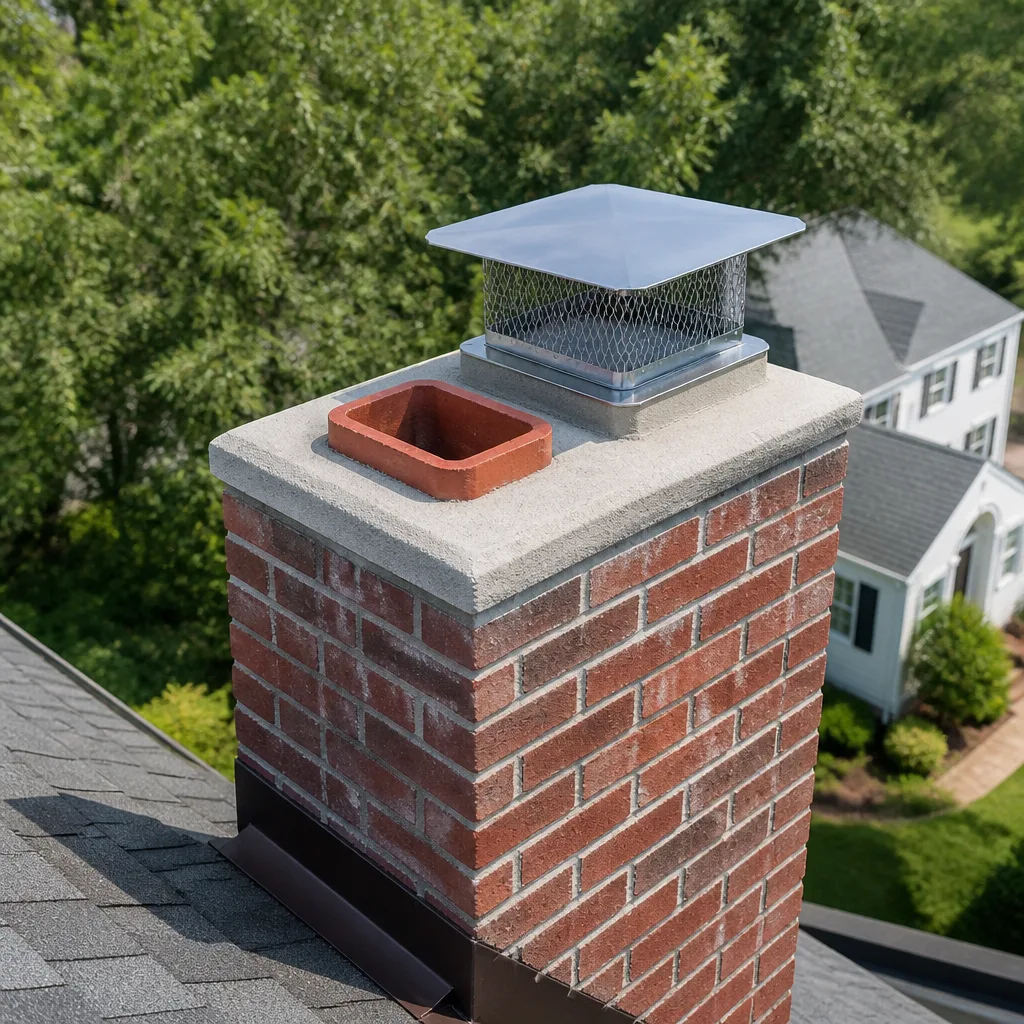 Sweep & inspection
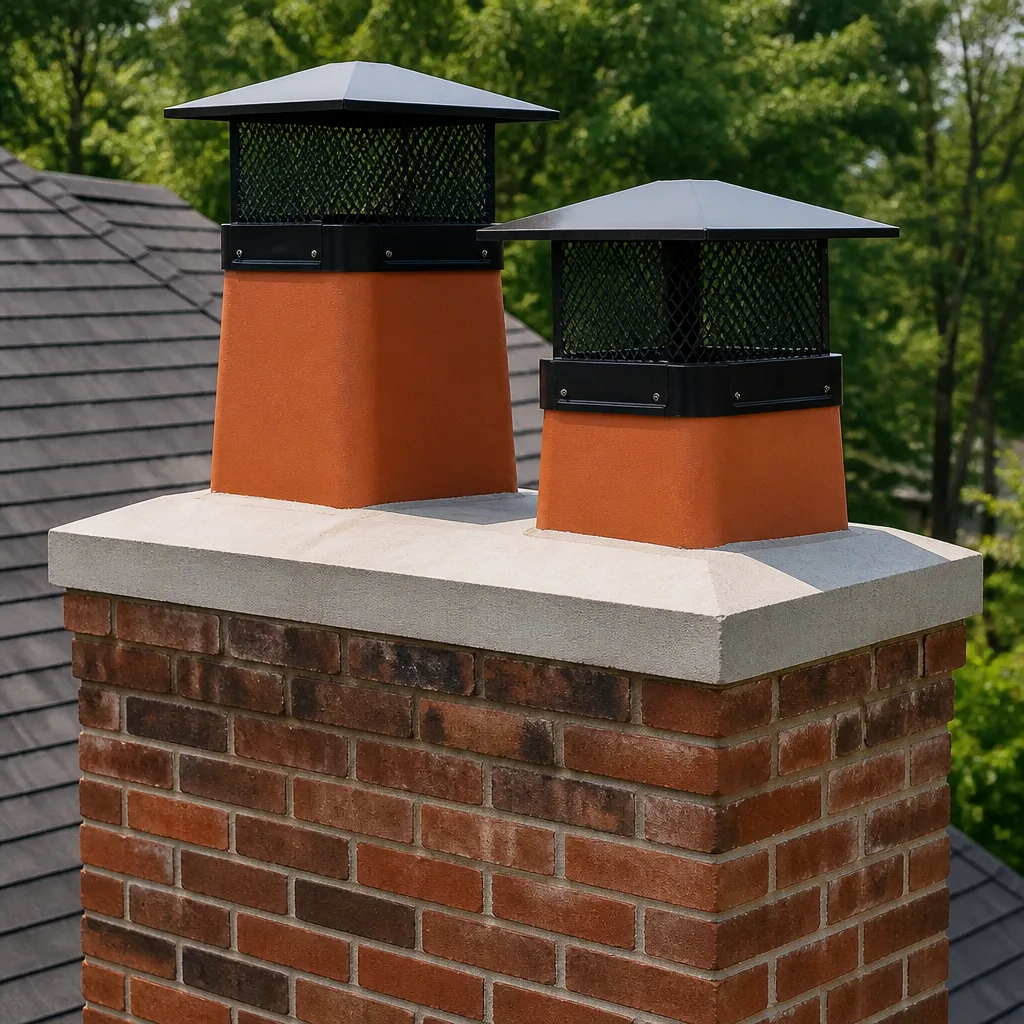 Caps & crowns
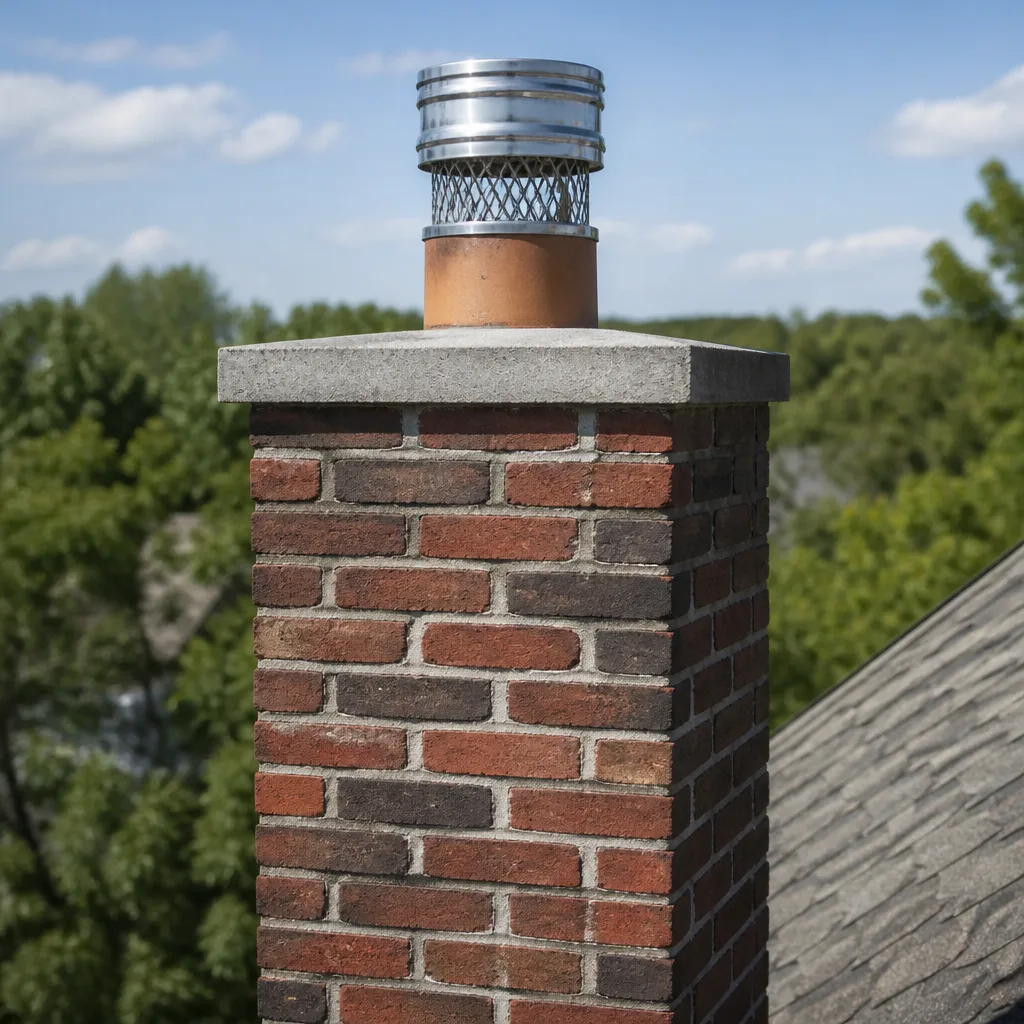 Flue relining
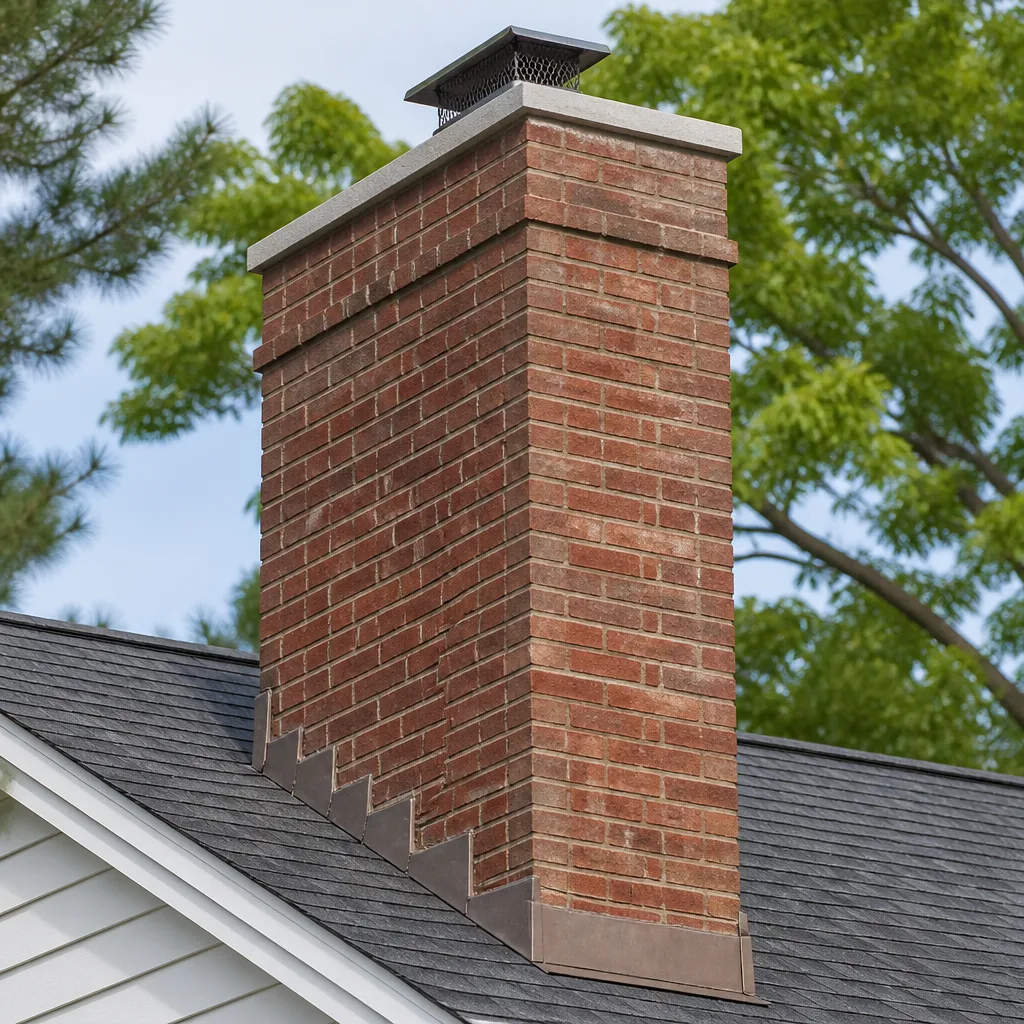 Masonry repair
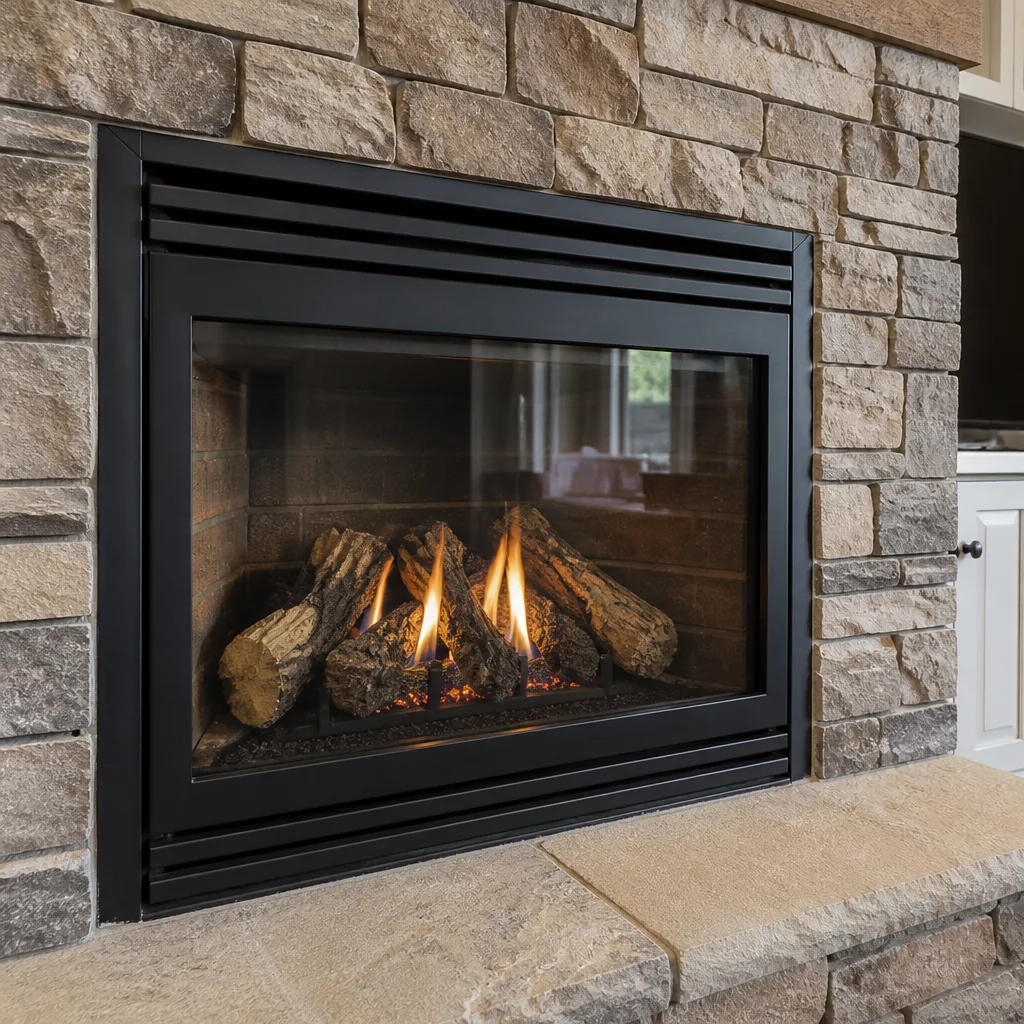 Gas fireplace service
Level 1 sweep and inspection to the NFPA 211 annual standard - flue, crown, cap, and flashing checked and photographed
Chimney sweep logs do not sweep chimneys. They loosen some creosote - which then falls where a brush and vacuum still have to collect it.
DIY vs Professional Chimney Cleaning: The Riverdale Homeowner’s Decision Guide
Consumer chimney brush kits sold online can remove loose soot from a flue. That part is true, and we won’t pretend otherwise. What a kit cannot do is tell you whether the flue tile behind that soot has a hairline crack that’s been venting carbon monoxide into your wall cavity, or whether the smoke chamber above the damper has been quietly collecting glazed creosote for three seasons. The cleaning is not the hard part. The knowledge is. In this guide we’ll draw a clear line between what a homeowner can safely handle and what genuinely requires a trained eye, explain the specific risks in older Riverdale homes, and give you a working decision framework you can apply to your own chimney this season.
Quick Answer
Professional chimney cleaning is worth it in most Riverdale homes because the sweep is only half the service; the inspection and condition report that comes with it is the real value. A DIY brush sweep can remove surface soot from an accessible flue, but it cannot assess liner integrity, smoke chamber condition, flashing seals, or cap deterioration. If your chimney is clay-tile lined, over 15 years old, or has never been inspected, book a professional sweep and look at the photos yourself before you agree to any repair.
Styles & brands we work with
- Sweep & inspection
- Caps & crowns
- Flue relining
- Masonry repair
- Gas fireplace service
Table of Contents
- What DIY Chimney Cleaning Actually Does (and Doesn’t)
- Why Riverdale Homes Are a Special Case
- The Equipment a Real Sweep Requires
- Liability and Insurance After a DIY Cleaning
- When DIY Makes Sense Between Professional Sweeps
- What Actually Happens During a Professional Visit
- Cost Comparison: DIY vs Professional
- Common Mistakes to Avoid
- When to Call a Professional
- Frequently Asked Questions
What DIY Chimney Cleaning Actually Does (and Doesn’t)
A homeowner with a fiberglass brush, a set of rods, and reasonable upper-body strength can push soot and light creosote off the walls of a straight, accessible flue. On a simple masonry chimney with a clean vertical run, that is a real accomplishment, and we won’t talk you out of it if that’s all you need. The problem is that cleaning a flue is not the same as assessing a chimney system.
Here is the split, laid out plainly:
- What DIY can do: remove loose soot from the visible flue run, knock down light stage-one creosote, clear obvious debris from the firebox, and keep an active flue from accumulating fresh buildup between professional visits.
- What DIY cannot do: inspect the liner for hidden cracks, evaluate the smoke chamber above the damper, test the flashing seal where the chimney meets the roof, assess the cap and crown, check the firebox mortar joints for deterioration, or measure draft and combustion performance.
Stage-two and stage-three creosote require rotary equipment and, in the case of glazed creosote, chemical treatment before mechanical removal. A hand brush will slide over a glazed deposit without touching it. That glazed layer is the one that burns hottest in a chimney fire, and it happens to sit right next to the flue tile that protects your home’s framing. In our experience across Riverdale, the chimneys that need the most attention are almost never the ones that look dirtiest from the firebox.
This is why we structure every appointment as inspect first, then recommend. The cleaning is a byproduct of the inspection, not the other way around. When you book a chimney sweep, the report that follows the sweep is what actually protects your home.
Why Riverdale Homes Are a Special Case
Riverdale’s housing stock skews older, and much of it was built with single-wythe clay tile liners that were never designed for the heat output of a modern wood stove insert or a high-efficiency fireplace. Those clay tiles are brittle. Over decades of heating-and-cooling cycling through humid summers and freezing winters, they develop hairline cracks and, in some flues, spalling where pieces of tile begin to flake away from the mortar.
That matters for the DIY debate because of one specific risk: brush pressure. An aggressive sweep with the wrong brush head, or a rotary tool run too hard against a compromised tile, can dislodge a segment that was already cracked. When a tile segment drops, it can collect at a bend in the flue and partially block the exhaust path, which creates a backdraft risk and can push combustion gases back into the living space instead of up the chimney.
Climate plays a part too. Riverdale summers are humid enough to drive moisture into masonry, and the freeze cycle in January and February expands whatever water has seeped into the mortar joints. A chimney on a 1920s brick colonial near Wave Hill or along the Henry Hudson Parkway corridor has been through that cycle more than a hundred times. Small cracks that a homeowner can’t see from below are common. Cracks at the smoke chamber throat, where combustion gases turn from hot to cooler and deposit creosote quickly, are common. None of that is visible from the firebox with a flashlight.
If your Riverdale home has a clay-lined flue and has never been professionally inspected, the first step is an inspection, not a sweep. The condition of the liner determines what kind of cleaning is safe in the first place. A professional will look before they brush.
- Older clay tile liners: hairline cracks and spalling are common and require a camera scope to identify reliably.
- Humid summers and freeze cycles: moisture-driven mortar deterioration is typical in Riverdale masonry chimneys.
- Dense neighboring structures: proper draft becomes more critical when the chimney is close to taller adjacent rooflines.
- Mixed fuel use: homes that burn wood in one fireplace and gas in another have two different cleaning standards to meet.
The Equipment a Real Sweep Requires
If you’re going to do a professional-standard sweep yourself, you need the equipment a professional uses. Here’s what that actually looks like, and what it costs to own versus rent:
- HEPA containment vacuum: captures fine soot before it becomes airborne inside your home. A commercial unit rated for chimney work runs several hundred dollars to own; rentals are available but rarely rated for the volume of fine particulate a chimney produces.
- Rotary cleaning system: a power-driven brush with adjustable head that removes stage-two creosote. Entry-level rotary kits start around a few hundred dollars for the tool alone; professional-grade heads cost more and add up fast. Rental is common but heads are usually sized for the job, not for your flue.
- Camera scope: a flexible inspection camera that can be pushed down a flue to see cracks in the tile that a flashlight from below will never reveal. Entry-level scopes are inexpensive but lack the articulation and lighting for proper flue inspection.
- Drop cloths and sealing equipment: the fabric and zipper assemblies that seal the firebox opening so soot stays inside the chimney during the sweep.
- Proper brush sizing: a brush that’s the wrong diameter for your flue either won’t touch the walls or will hammer the tile. Both are bad outcomes.
- Respiratory protection: an N95 is not enough for fine soot. Real chimney work requires a fitted respirator.
Total cost to set up for a single DIY sweep, if you buy even mid-grade equipment, is typically more than a professional sweep costs. If you’re doing this once, renting the equipment can work, but you’re still doing the work without the training to interpret what the camera or the brush reveals. The equipment gets you the clean flue. It doesn’t get you the diagnosis.
When we specify materials, we specify for conditions. If an inspection shows a deteriorated clay liner, we may recommend a chimney repair using a HeatShield resurfacing application, which rebuilds the flue from the inside without tearing out the original tile. If the liner is damaged beyond resurfacing, we reach for DuraFlex or Olympia Chimney systems because those are the product lines that hold up to continuous wood-burning heat. Those aren’t decisions you can make from a hardware-store brush kit.
Liability and Insurance After a DIY Cleaning
Here is the part nobody talks about in the DIY conversation: what happens if there’s a chimney fire after you clean the flue yourself. Chimney fires are a genuine hazard in any home with a wood-burning appliance, and every homeowner’s insurance policy handles claims differently. But in general, insurers investigate the cause of a chimney fire carefully, and they may ask who last cleaned or inspected the system and what documentation exists.
That documentation is the part that matters. A professional sweep produces a written report: when the flue was cleaned, what condition it was in, what was observed, and what (if anything) was recommended. If a chimney fire happens later, that record is a clear timeline. A DIY cleaning produces no record at all. It’s a gap.
We’re not saying DIY cleaning voids coverage. We’re saying that the investigation is easier to resolve when there’s a paper trail showing the system was in known condition at a known date. If you clean your own chimney, at minimum keep a dated log of every sweep, what you did, and what you saw. Better yet, have a professional inspect the flue annually and keep the written report. That’s the record your insurer will want if anything goes wrong.
If you’re selling a Riverdale home, an inspection report is often requested during the buying process anyway. Having one on hand before you list is much easier than scrambling during the inspection contingency window.
When DIY Makes Sense Between Professional Sweeps
There is a real role for homeowner maintenance. It just isn’t the annual sweep itself. Here are the tasks that genuinely make sense for a homeowner to handle between professional visits:
- Ash removal: scoop ash from the firebox once it starts to interfere with airflow. Keep a thin ash bed, don’t dig it all out. This is safe, useful, and requires no equipment.
- Damper check: open and close the damper by hand and feel for resistance or sticking. If it feels wrong, note it and mention it at your next service.
- Cap and crown observation from the ground: look at the top of the chimney with binoculars after a storm. You’re looking for a missing cap, a visible crack in the crown, or a lean that wasn’t there before. If you see any of those, call for service.
- Firebox mortar visual check: look at the mortar joints around the firebox with a flashlight. If you see crumbling mortar or gaping joints, stop using the fireplace and call for service.
- Exterior flashing visual check: from the ground after a heavy rain, look at the flashing at the roofline for obvious separation. If water is getting in, the interior damage happens fast.
What we’d never recommend as a DIY task: running a rotary tool inside the flue on a clay-lined chimney, attempting to remove glazed creosote chemically without professional guidance, or brushing any flue you haven’t had inspected. Those are the tasks most likely to cause damage while feeling like progress. A professional chimney cap & crown job is also safer than a DIY rooftop attempt, on the obvious grounds that steep rooflines and ladders are a bad combination for anyone who doesn’t do it regularly.
What Actually Happens During a Professional Visit
If you’ve never had a professional sweep, here’s the process we follow on a Riverdale chimney:
- Setup and containment: drop cloths go down, the firebox opening is sealed with a zippered containment system, and a HEPA vacuum runs throughout the visit so nothing goes airborne inside the home.
- Pre-sweep inspection: the flue is scoped with a camera before any cleaning begins. Cracks, spalling, and stage-two or three creosote are documented before we touch anything.
- Controlled sweep: brush selection matches flue size and liner condition. On a compromised clay liner, we work gently and stop if we see a problem.
- Smoke chamber and damper check: the area above the damper is inspected for glazed creosote, which often collects there and is missed in a basic brush-only sweep.
- Exterior and cap inspection: the crown, cap, and flashing are examined from the roof, and any deterioration is documented.
- Photo report: you get photos of what we saw, a written summary, and a prioritized list of recommendations – what needs doing now, what can wait, and what isn’t a problem at all.
That report is the difference between a $200 sweep and a $2,000 surprise. It’s also why we offer inspection as a standalone service. When you’re buying a home in Riverdale or selling one, you don’t necessarily need a sweep; you need the assessment. And when you’re overdue for an annual check but the flue is clean, an inspection is the right visit without paying for a cleaning you don’t need.
Professional-grade product lines matter here. Our technicians have up to 13 years of experience, and we work with DuraFlex, HeatShield, Gelco, Olympia Chimney, Famco, and Copperfield – not because brand loyalty matters to a homeowner, but because when a repair is needed, having the right product on hand to match the condition means one visit instead of three. From the firebox to the cap, the goal is to fix what needs fixing and leave the rest alone.
Cost Comparison: DIY vs Professional
Here’s the honest breakdown of what DIY cleaning costs versus what a professional sweep costs, in typical estimated ranges:
| Item | DIY Typical Range | Professional Typical Range |
|---|---|---|
| Basic hand brush kit (single flue) | $40 – $90 | Not applicable |
| Rotary cleaning tool (entry level) | $200 – $400 | Included in sweep |
| HEPA vacuum rated for soot | $150 – $450 | Included in sweep |
| Inspection scope (entry level) | $80 – $200 | Included in inspection |
| Annual sweep | Not applicable | $180 – $340 |
| Standalone inspection | Not applicable | $150 – $280 |
| Camera video report | Not available | Included |
These are typical estimated ranges for the Riverdale market, and the written estimate sets the final price for any job we do. The honest math: if you buy mid-grade DIY equipment once, you’ve spent roughly the cost of two professional sweeps – and you still can’t assess liner condition. If you rent, you pay less per sweep but still do the work with the training gap intact.
If an inspection turns up a liner issue, the cost of repair depends entirely on the condition the camera reveals. HeatShield resurfacing for a deteriorated clay flue is typically less expensive than a full DuraFlex or Olympia liner replacement because the existing flue serves as the foundation. A Chimney Sweep Riverdale visit that ends with a small crown repair and a HeatShield touch-up is a lot cheaper than a chimney that turns into a water-damage and rebuild project because the crown was never inspected.
Common Mistakes to Avoid
- Brushing a flue you haven’t had inspected. On an older clay liner, the flue may already be compromised. Brushing hard before an inspection can dislodge a cracked tile segment.
- Assuming a clean firebox means a clean flue. The visible part of your chimney is the firebox. The part that matters is the flue and smoke chamber above the damper, and those don’t clean themselves just because they don’t look dirty.
- Missing the smoke chamber entirely. Creosote collects above the damper where the flue widens into the smoke chamber. A basic brush sweep often slides right past it. This is the single most common location for a chimney fire to start.
- Skipping the cap and crown check. In Riverdale, water intrusion through a cracked crown is the most common cause of long-term masonry damage. A cracked crown left alone for a season becomes a much larger repair the next year.
- Buying a cheap rotary kit and using it too aggressively. Rotary tools are powerful. Run them into a clay liner without knowing what the liner looks like underneath, and you can create damage that wasn’t there before you started.
- Believing a sweep erases the need for inspection. Even a professional sweep is not an inspection unless the flue is scoped and documented. Ask for the camera report.
- Never recording what was done. A dated log of every sweep, inspection, and repair makes insurance claims and home-sale disclosures straightforward. A blank calendar is a liability.
When to Call a Professional
Call a professional chimney service in these situations: your chimney has never been inspected and the home is more than 15 years old; you smell a strong creosote odor in warm weather, which usually means stage-two creosote is present; you see smoke rolling back into the room when the fireplace is lit; you’ve had a chimney fire, even a small one; you notice water staining on the ceiling or wall near the chimney; or you’re buying or selling a Riverdale home and the inspector has flagged the chimney. Also call if your cap is missing, your crown is visibly cracked, or your firebox mortar has started crumbling.
For cases that fall outside those, a scoped inspection is a low-risk way to know where you stand. Chimney Sweep Riverdale offers free estimates in Riverdale – call (888) 848-6804. We answer 24/7. Fast dispatch from 7am to 7pm, Sunday through Friday.
Frequently Asked Questions
A chimney sweep in Riverdale typically costs $180 to $340 for a standard wood-burning flue, with the exact price set by the written estimate after the technician sees the chimney. Gas fireplace sweeps and multiple-flue jobs are usually quoted separately. The price includes inspection and a photo report, not just the cleaning. Call (888) 848-6804 for an exact quote – estimates are free.
Not always, and we’ll only recommend a liner when the camera shows it’s needed. A clay flue with hairline cracks and mild deterioration can often be resurfaced with HeatShield rather than replaced outright. A flue with spalled tile, gaps at the joints, or a shifted segment usually needs a full liner replacement with a DuraFlex or Olympia Chimney system. The camera report shows you exactly what we’re seeing, so you’re deciding based on evidence, not a technician’s word. Call (888) 848-6804 to schedule an inspection and see the flue for yourself.
A wood-burning chimney should be swept and inspected annually, or whenever a quarter-inch of creosote has accumulated on the flue walls, whichever comes first. Gas fireplaces typically need an inspection every two to three years rather than an annual sweep. Homes that burn heavily through the winter may need a mid-season check. If you’ve never had a Riverdale chimney inspected and the home is older, book an inspection first. Call (888) 848-6804 to book it.
Skipping a sweep allows creosote to accumulate in the flue, and that’s the fuel that chimney fires burn. Stage-one creosote is sooty and manageable. Stage-two is sticky and harder to remove. Stage-three is glazed and burns at high temperature right next to your home’s framing. Carbon monoxide risk rises too, because a partially blocked flue can push exhaust back into the living space instead of up the chimney. Skipping a season to save a few hundred dollars can turn into a repair measured in the thousands. Call (888) 848-6804 to book a sweep before the heating season.
You can physically remove loose soot from an accessible flue with a brush kit, but you can’t assess what that flue actually looks like underneath. The kit gets the cleaning done; the inspection that professionals do with a camera is what tells you whether the flue is safe to use. On a clay-lined Riverdale chimney over 15 years old, a hand brush without a pre-inspection is a genuine risk. If you want to keep up maintenance between professional visits, ash removal and visual checks from the ground are safer choices. Call (888) 848-6804 to schedule the initial inspection.
In most cases, yes. Because we carry sweeping, cap and crown, repair, and inspection under one roof and work with DuraFlex, HeatShield, Gelco, Olympia Chimney, Famco, and Copperfield product lines, we can often complete a small repair during the same visit as the sweep. Larger repairs – full liner replacements, crown rebuilds – are scheduled as a follow-up, but the diagnosis and the plan for it happen on the first visit. From the firebox to the cap, you’re talking to one company. Call (888) 848-6804 to schedule.
The Bottom Line
DIY chimney cleaning works for one thing: keeping an already-healthy flue clean between professional visits. It does not replace the inspection that a professional sweep produces, and the inspection is where the value lives. In older Riverdale homes with clay tile liners, the risk of brushing a compromised flue is real, and the equipment to do the job properly costs more than a couple of sweeps. Insurance investigations are easier to resolve when there’s a written record of the flue’s condition and when it was last checked. The safe approach is inspect first, clean as needed, and keep the photos. If you want a documented report and a sweep in one visit, call (888) 848-6804 for a free estimate. We answer 24/7. Fast dispatch from 7am to 7pm, Sunday through Friday.
Written by the team at Chimney Sweep Riverdale.
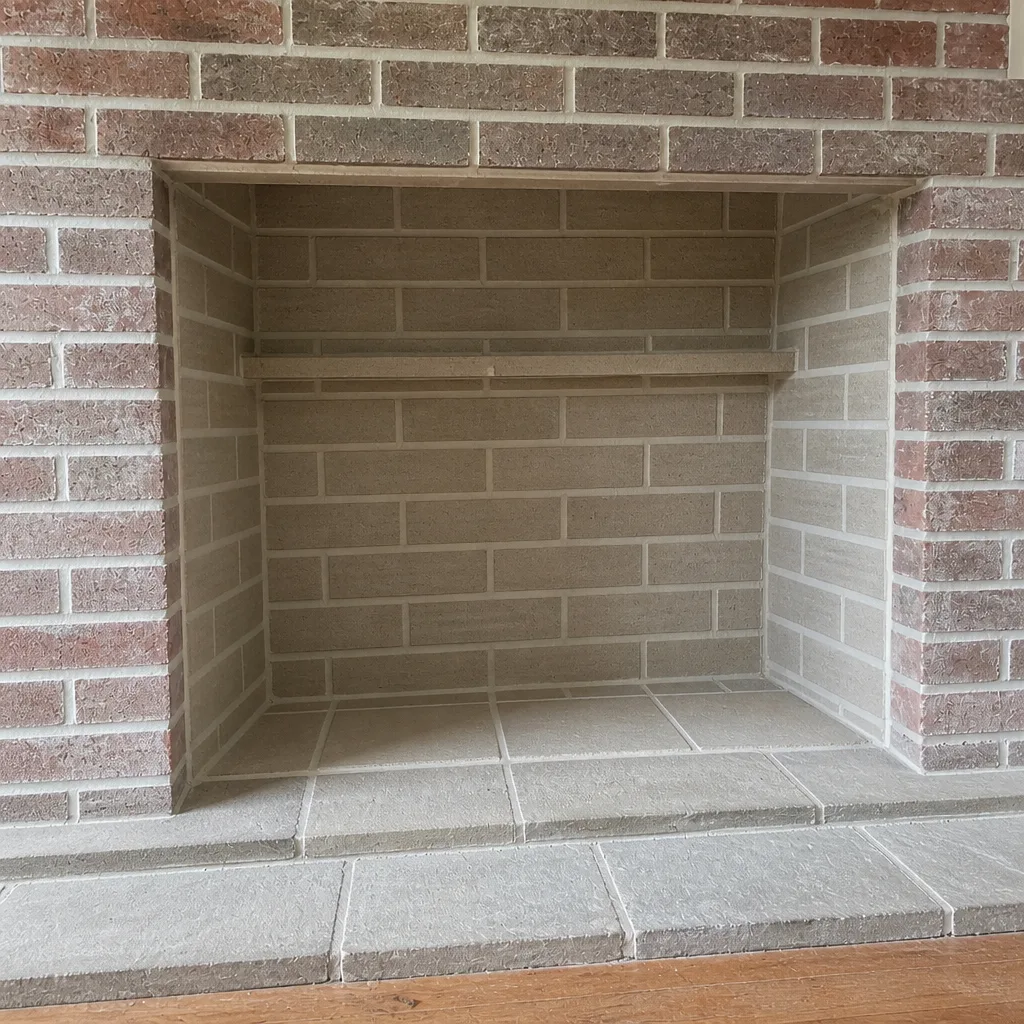
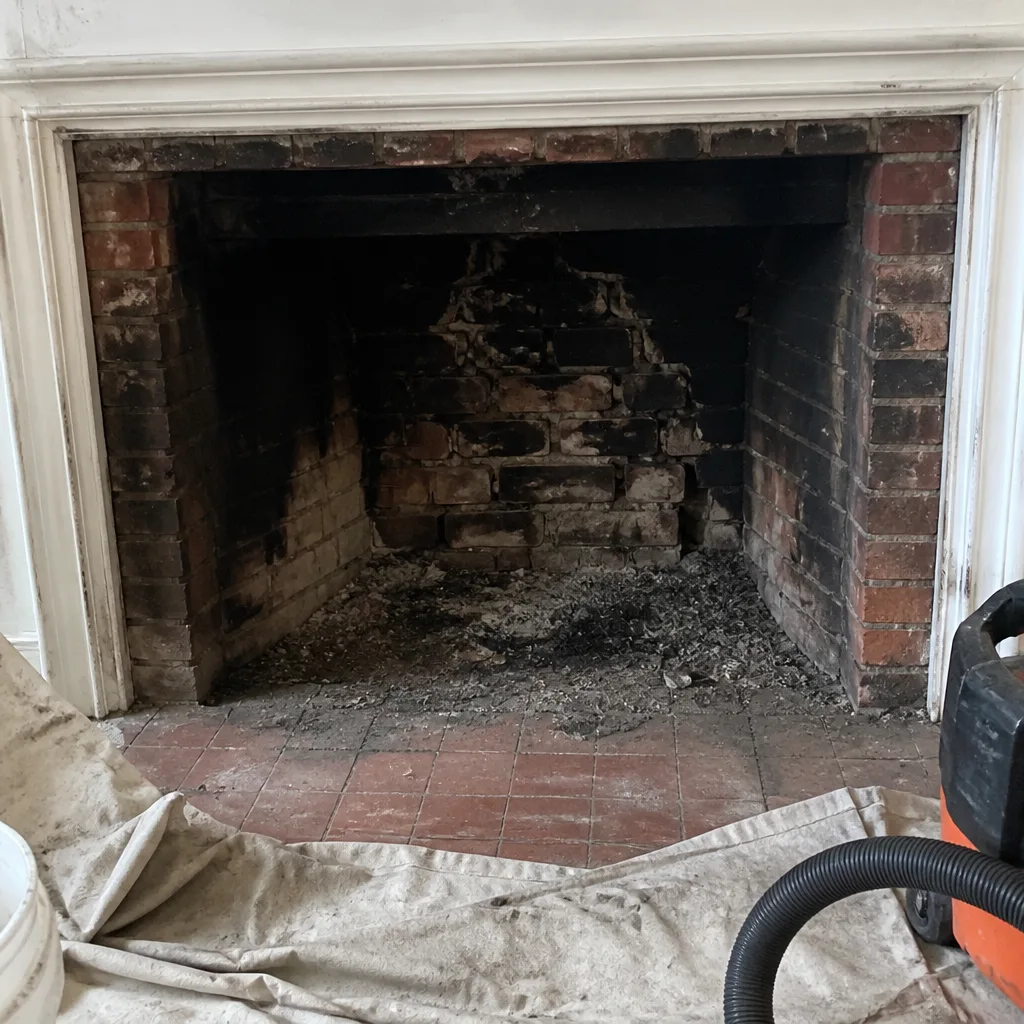
See the difference
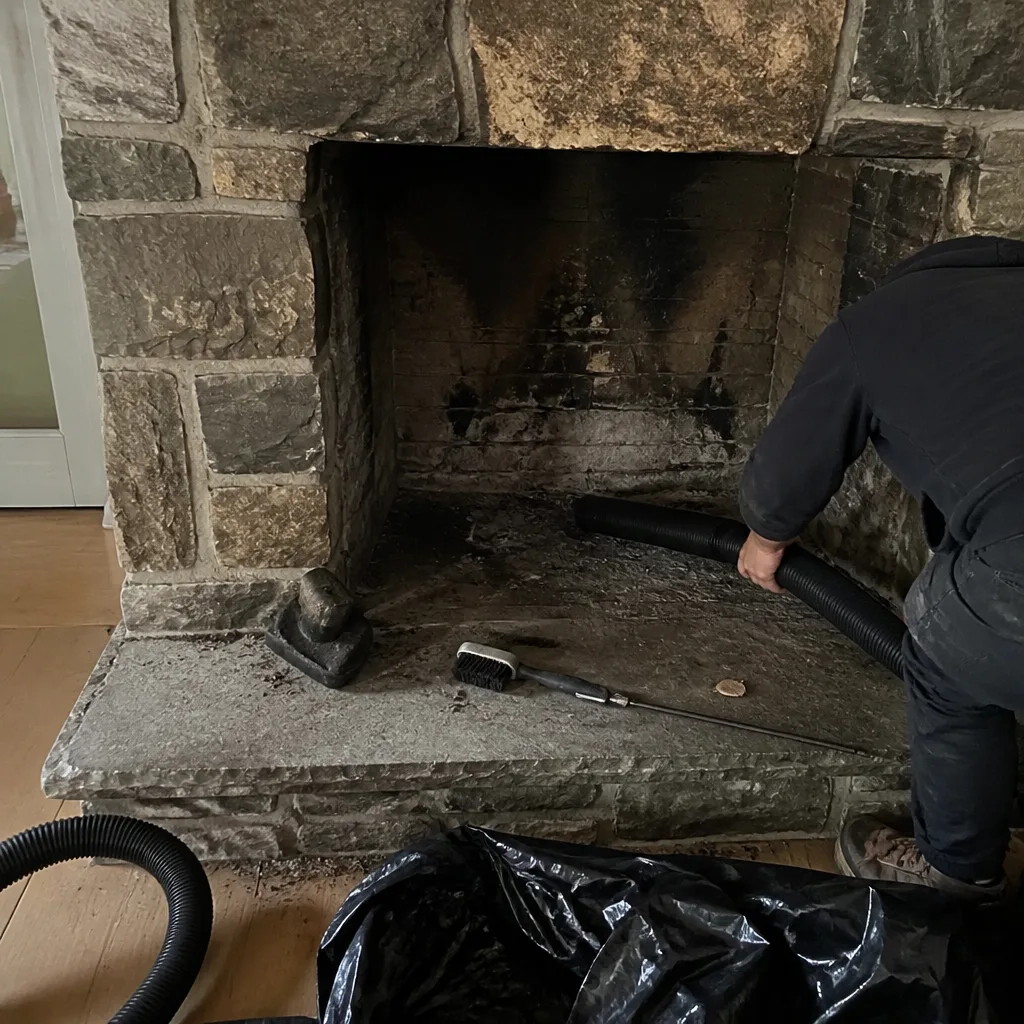 Before
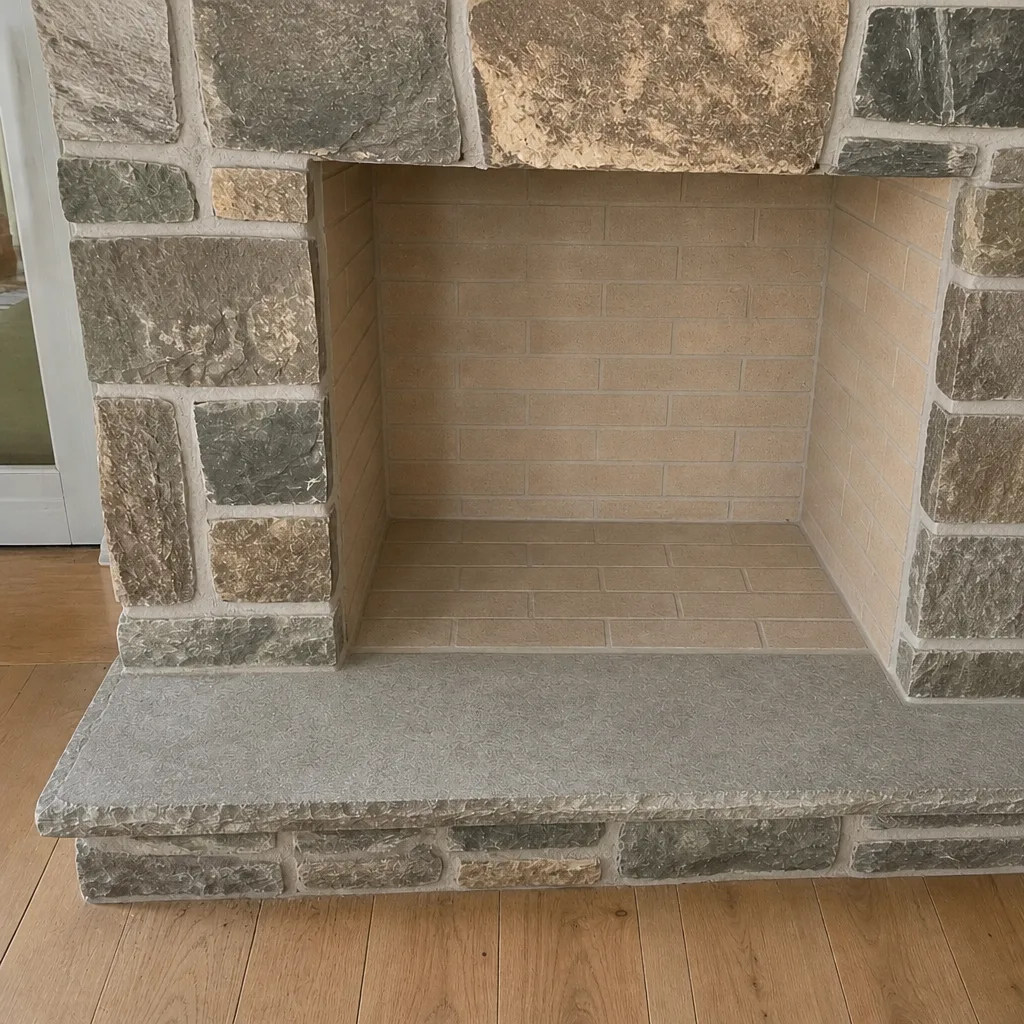 After
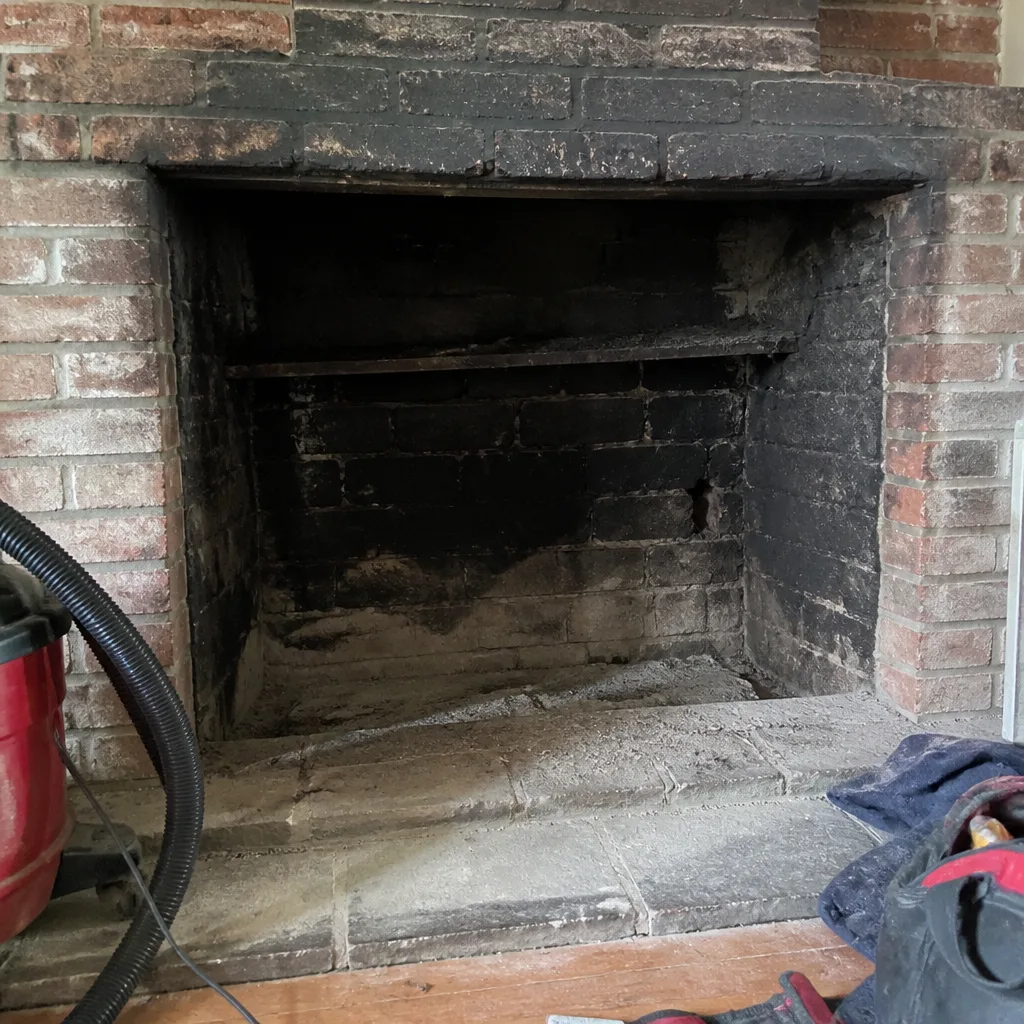 Before
 After
 Before
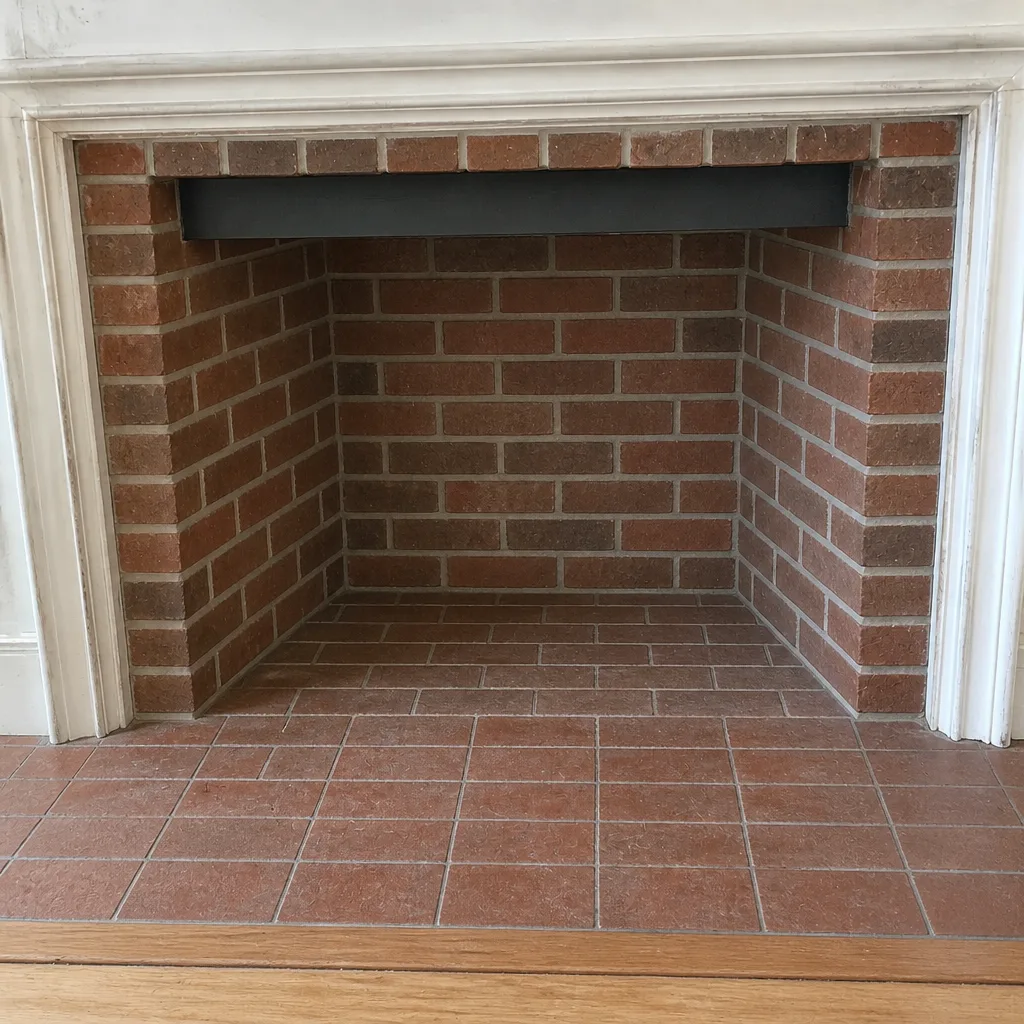 After