
Last updated November 25, 2026
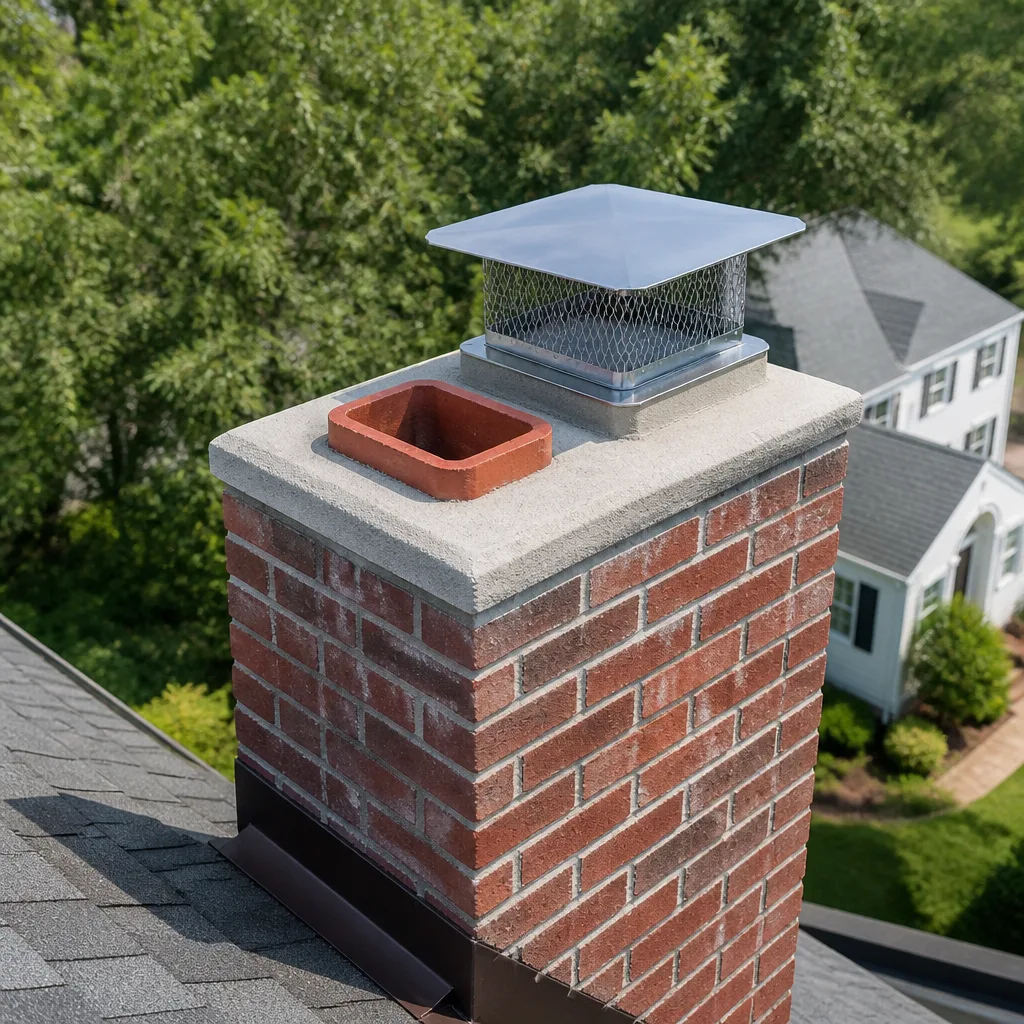 Sweep & inspection
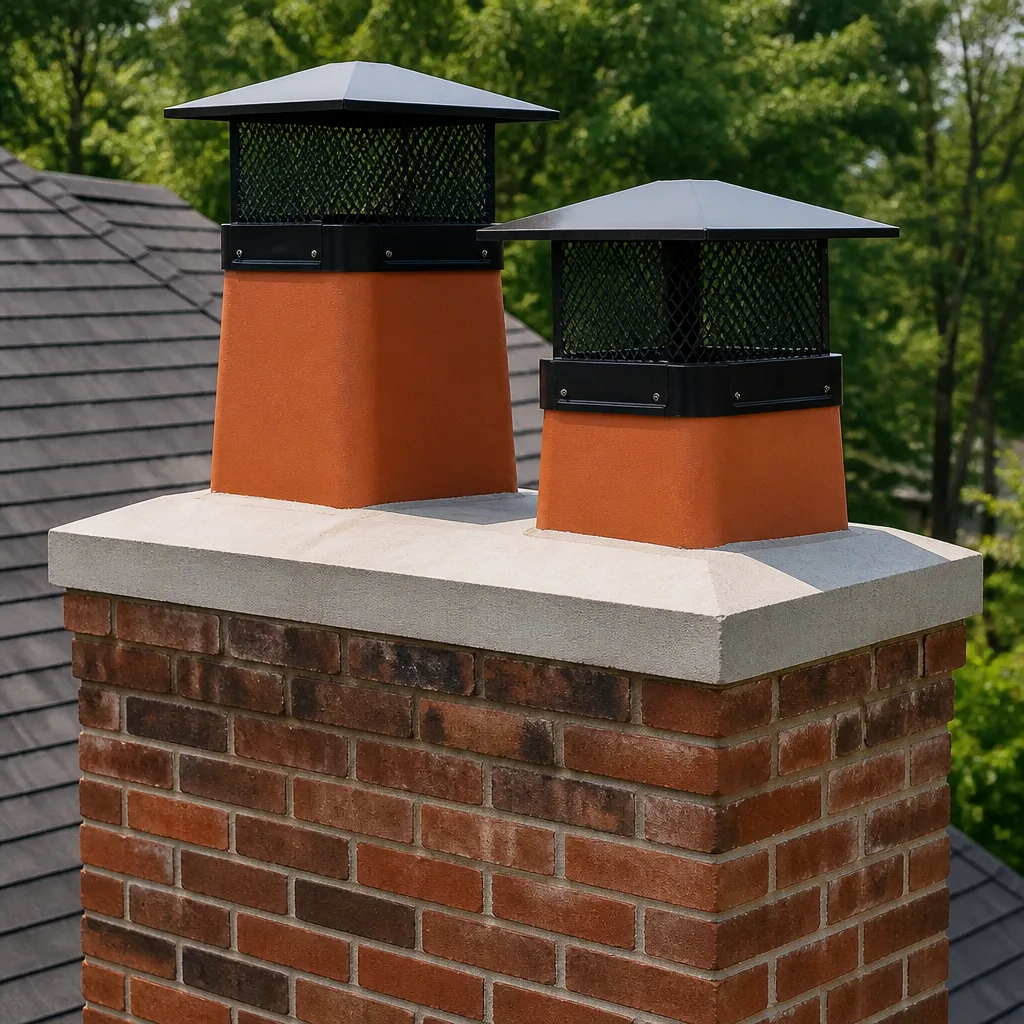 Caps & crowns
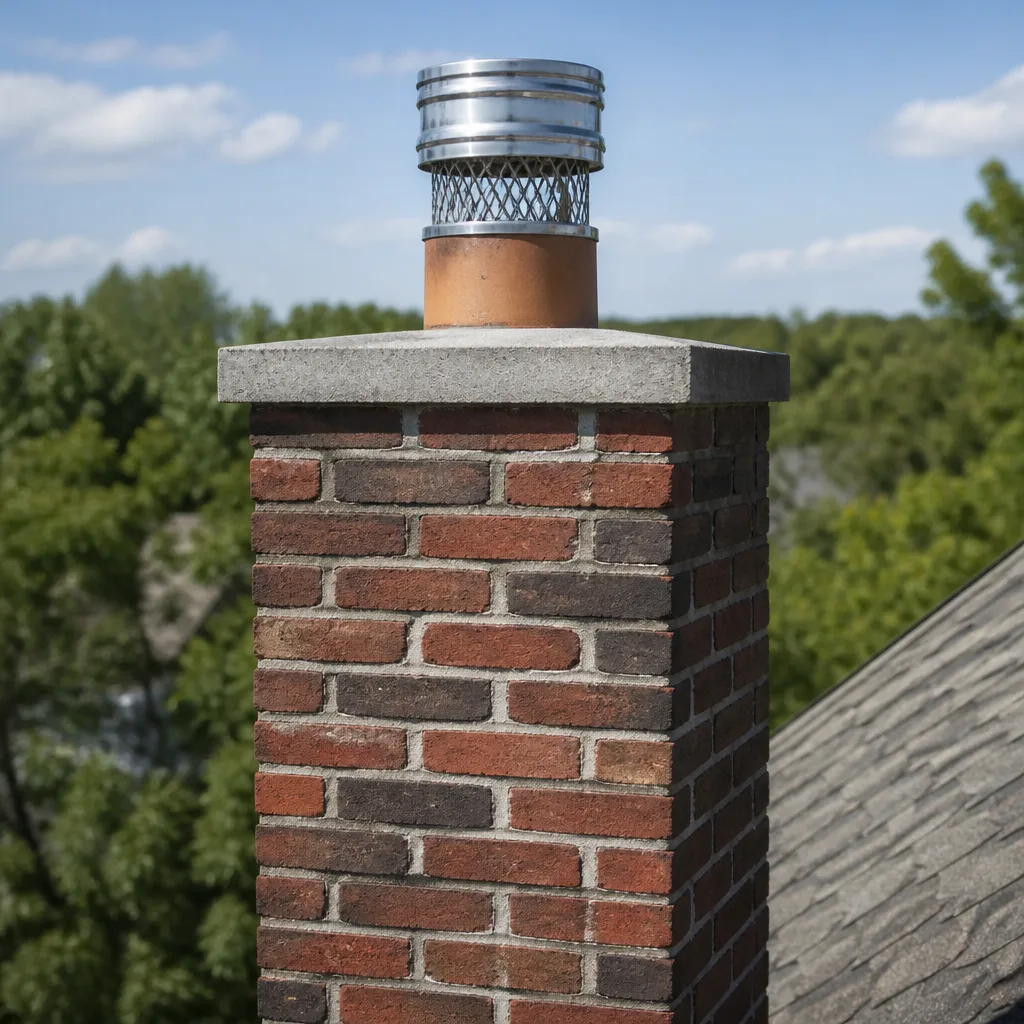 Flue relining
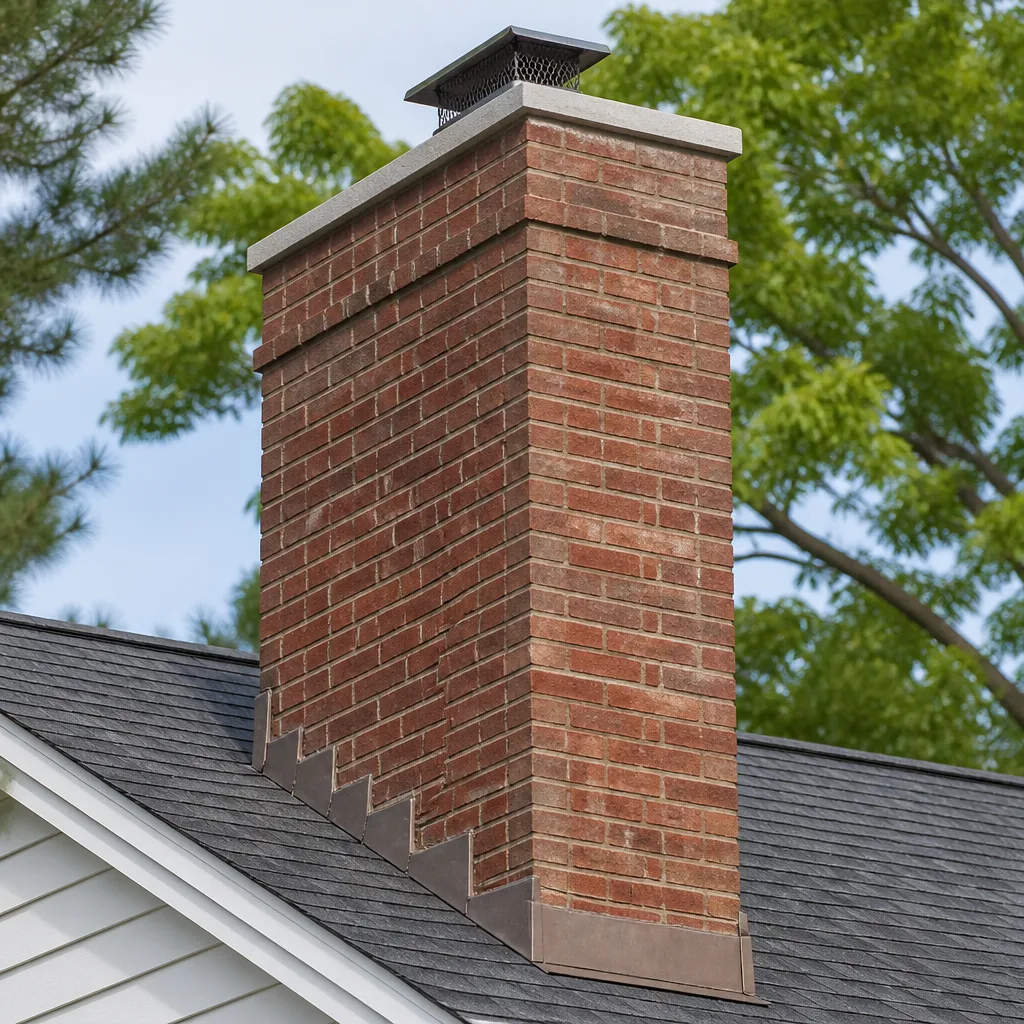 Masonry repair
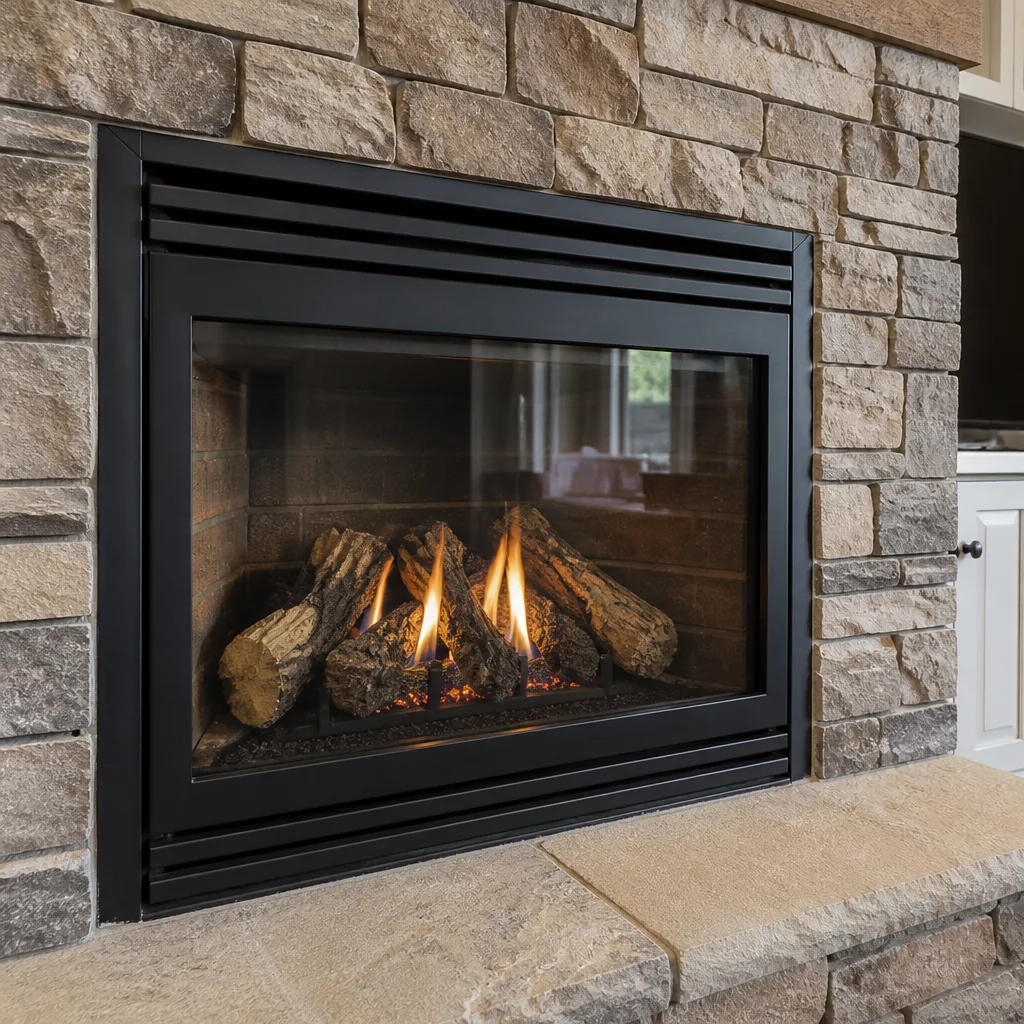 Gas fireplace service
Level 1 sweep and inspection to the NFPA 211 annual standard - flue, crown, cap, and flashing checked and photographed
Chimney sweep logs do not sweep chimneys. They loosen some creosote - which then falls where a brush and vacuum still have to collect it.
How to Hire a Chimney Cleaning Contractor in Riverdale: A Step-by-Step Guide
New York State does not license chimney sweeps. Read that again, because it changes how you should shop. Anyone in Riverdale can print “professional chimney cleaning” on a business card, buy a brush, and knock on doors. There’s no state exam to pass, no license to verify, no board to complain to. That means the usual advice to “check the license” falls flat here, and homeowners are left with no obvious filter. So this guide gives you the ones that actually work: which credentials carry real weight and which are decoration, five questions that separate a sweep-only operation from a full-system specialist, and exactly what a legitimate service call should look like from arrival to the written report.
Quick Answer
To hire a chimney cleaning contractor in Riverdale, verify third-party credentials (CSIA certification and NFI credentials, not just a website claim), ask whether the company inspects the whole system from firebox to cap or only sweeps, demand an itemized quote before work begins, and confirm you’ll receive written documentation with photos of the flue. A legitimate contractor inspects first, explains findings, and lets you decide – a bad one quotes a sweep and discovers “urgent” repairs the moment the brush comes out.
Styles & brands we work with
- Sweep & inspection
- Caps & crowns
- Flue relining
- Masonry repair
- Gas fireplace service
Table of Contents
- Why There’s No License to Check in Riverdale
- What CSIA, NFI, and NFPA 211 Actually Mean
- Five Questions to Ask Before You Book
- Sweep vs. Specialist: Which Hire Do You Need?
- What a Legitimate Service Call Looks Like, Start to Finish
- Red Flags in a Chimney Cleaning Quote
- Riverdale Climate, Housing, and Why It Matters
- Common Mistakes to Avoid
- When to Call a Professional
- Frequently Asked Questions
Why There’s No License to Check in Riverdale
Most trades give you a shortcut: look up the license, confirm it’s active, done. Chimney work doesn’t work that way in New York. The state doesn’t issue a chimney sweep or chimney contractor license, and Riverdale doesn’t fill that gap with a local one. The barrier to advertising a sweep is essentially zero.
What that means in practice is that the burden of vetting shifts entirely to you. There’s no government database to check, so you have to check the things a government license would normally vouch for: training, certification through a recognized body, insurance carried by the individual contractor, and a track record you can verify through references. This isn’t a reason to panic. Plenty of skilled, careful chimney professionals in Riverdale operate without a state license because there isn’t one to get. It’s a reason to ask better questions.
The certification question is where the real information lives. A contractor either holds third-party credentials or they don’t, and either belongs to a professional body that holds its members to a standard or doesn’t. Because there’s no state floor, the industry’s own certifications become the only meaningful signal of training. And because those certifications are voluntary, they tell you something a state license wouldn’t: that this person chose to be tested and to keep up with the credential. Hold onto that. It’s the thread the rest of this guide pulls on.
One more thing worth knowing: the fact that New York doesn’t license chimney sweeps doesn’t mean the work is unregulated or that anything goes. Local permits and code requirements still apply to structural work like chimney rebuilds and liner replacement, and NFPA 211 – the national standard for chimneys, fireplaces, and vents – remains the reference point for how the work should be done. The question isn’t whether standards exist. It’s whether the person in front of you knows them and follows them.
What CSIA, NFI, and NFPA 211 Actually Mean
You’ll see these acronyms on almost every chimney contractor’s website in Riverdale. Here’s what each one actually indicates, and where each stops short of guaranteeing a good experience.
CSIA (Chimney Safety Institute of America). A CSIA Certified Chimney Sweep has taken a proctored exam covering chimney and venting fundamentals, inspection, and sweeping practice, and is required to recertify to keep the credential current. That’s meaningful: it tells you the person passed a knowledge test and keeps it up to date. What it doesn’t guarantee is that the person doing the work is the person certified, or that the crew on your roof will meet the same standard. Ask specifically who’s coming out and whether the technician is certified.
NFI (National Fireplace Institute). NFI credentials focus on hearth appliances rather than sweeping – gas, wood, and pellet appliance installation and service. For a homeowner whose question is about the fireplace itself, not just the flue, an NFI credential signals specific knowledge of how the appliance is supposed to operate and vent. It’s less relevant to a basic annual sweep and more relevant to a gas fireplace that’s been acting oddly.
NFPA 211. This isn’t a certification; it’s the standard professionals work from. A contractor who can talk about NFPA 211 comfortably and describe what it requires for clearances, liners, and venting knows the standard exists and applies it. A contractor who draws a blank when you mention it is running on instinct and guesswork.
None of the three credentials is a magic guarantee. Together, though, they tell you a contractor has crossed into a tier where training and standards are taken seriously – which, given the absence of state licensing, is exactly the filter Riverdale homeowners need.
Five Questions to Ask Before You Book
This is the part of hiring a chimney cleaning contractor in Riverdale that most people skip, and it’s the part that reveals the most. Ask these five questions on the call. The answers will tell you whether you’re booking a full-system specialist or a brush-and-go operation.
- “Do you inspect as part of the sweep, or is inspection a separate visit?” A serious contractor should sweep and inspect in the same visit and explain findings before leaving. If the answer is that an inspection is a separate booking and separate fee, you’re likely dealing with a sweep-only operation. Full-system companies don’t force you to make two appointments for one job.
- “What level of inspection do you do?” There are three levels. A Level 1 inspection is a visual check of the accessible parts of the system during routine service. A Level 2 adds access to less-accessible areas and a camera or other documentation – needed when the system has changed, after a chimney fire, when you’re buying or selling, or when a problem is suspected. A Level 3 is more involved and usually involves diagnostic access to concealed components. A contractor who can’t name the level they’re doing is not inspecting; they’re looking.
- “What brand of liner materials and capping components do you use?” Ask straight. Professional-grade suppliers like DuraFlex and HeatShield for liners, or Famco for chimney caps, are a different tier from hardware-store substitutes. When a company specifies a brand, it’s telling you they’ve chosen a supplier on purpose and stand behind what goes in your flue. When the answer is vague, so is the work.
- “Will I get photos of what you find?” A contractor who climbs up, sweeps, and tells you everything’s fine without showing you anything is asking you to trust them blindly. Camera evidence and a written summary let you see for yourself. It also makes any recommendation to repair far easier to verify.
- “Can you do the repair in-house, or will I need a second contractor?” A sweep-only operation will find the cracked crown or the failing cap and hand you a referral. A full-service company handles the chimney cap & crown and the chimney repair without a second trip or a second contractor. One visit, one point of contact, less room for something to fall between the cracks.
Ask follow-up questions when an answer is short. The point isn’t to interrogate anyone; it’s to hear the difference between someone who knows what they’re describing and someone who’s reciting a script. A contractor who can answer these five clearly and without hesitation has done their homework. That’s the contractor you want in Riverdale.
Sweep vs. Specialist: Which Hire Do You Need?
Not every homeowner needs the same thing, and knowing the difference saves you money and time. A chimney sweep removes creosote, soot, and blockages from the flue. A chimney specialist handles the full system: inspection, diagnosis, repair, and installation of liners and caps. Most regular maintenance only needs the former. Structural and safety issues need the latter.
When a sweep is the right hire:
- You’re overdue for an annual cleaning and the system otherwise works normally.
- There’s no evidence of damage, water intrusion, or unusual draft problems.
- You’re booking routine maintenance and want a basic Level 1 visual check.
When a specialist is the right hire:
- You’re buying or selling a home, which calls for a documented Level 2 inspection.
- You’ve had a chimney fire, even a small one, or believe you might have.
- You’re noticing water stains near the chimney or visible cracks in the crown.
- The chimney has a damaged liner, is unlined, or the flue has changed shape or size.
- Your fireplace produces more smoke indoors than it should, or drafts poorly.
The distinction matters in Riverdale because sweep-only operations are common, and they’ll happily sweep a chimney that needs repair without flagging the crack in the crown. A full-service company like our team at Chimney Sweep Riverdale inspects the whole system during the visit so nothing gets missed. The right hire is usually the one that can do both when the situation calls for it. If you’re not sure which category you’re in, book the inspection and let the findings decide.
What a Legitimate Service Call Looks Like, Start to Finish
You shouldn’t have to guess what’s happening in your own home. Here’s what a well-run service call should look like from the moment the technician arrives to the moment you have a written report. Recognizing this sequence is how you spot corners being cut.
- Arrival and setup. The technician introduces themselves, lays protective drop cloths, and sets up negative air and a shop vac so no soot or dust enters the living space. They should ask whether the fireplace has been used recently and when it was last cleaned.
- Walkthrough before work. Before sweeping, a good technician looks at the firebox, damper, smoke chamber, and cap, and asks what you’ve noticed – smoke spillage, draft problems, water stains, animal noise. This gives the sweep a purpose and a baseline.
- The sweep. The brush and rods get worked through the flue from the top down or bottom up, with the vacuum running throughout. A sweep that’s finished in a few minutes on a well-used chimney is worth questioning. Creosote takes time to remove thoroughly.
- Inspection of what the sweep reveals. Liner condition, joints, crown, cap, and flashing are checked. This is where a specialist catches problems a sweep-only operation would miss – cracked or missing liner sections, damaged crown, missing cap.
- Photos and documentation. You should see photographs of anything flagged. A recommendation to repair should come with visual evidence, not just a verbal warning. If you don’t see it, ask.
- A written report and a written estimate. The report records what was found and what was recommended. The estimate itemizes the work, materials, and price. Take time to read both before you agree to anything.
The most telling moment is number six. A contractor who hands you a clear written estimate and encourages you to think about it is confident in the recommendation. A contractor who pushes you to approve work on the spot is not giving you a price; they’re giving you pressure. Insist on the paperwork.
Red Flags in a Chimney Cleaning Quote
A chimney cleaning quote in Riverdale tells you a lot in a few lines. Here’s what to look for – and what should send you elsewhere.
- No itemization. A single number with no breakdown for sweep, inspection, and any recommended repair is a quote you can’t compare. You should see each item separately.
- No mention of inspection level. A quote that doesn’t specify Level 1, 2, or 3 is not telling you what you’re buying. Routine maintenance should say Level 1. Purchase/sale or post-fire work should say Level 2.
- Pressure to upsell before work starts. If the technician diagnoses a full liner replacement before sweeping and inspecting, that’s a red flag. Findings should follow the sweep, not precede it.
- Phone-quoted prices for a scope of work no one has seen. A price over the phone for a job nobody has inspected is a guess, and it will move once the technician arrives. Ask for a written estimate based on what’s found on site.
- No brand of materials specified. When the quote says “new liner,” ask which one. DuraFlex and HeatShield are professional-grade options. A vague answer on materials is a red flag on the job itself.
- No written report promised. If there’s no report, there’s no record of what was found, and no way to compare a follow-up visit against the first one.
One pattern ties most of these together: a quote that skips explanation and jumps to a number. Good work is explained before it’s priced. If the company can’t or won’t explain what they’re going to do and why, the quote itself is the warning.
Riverdale Climate, Housing, and Why It Matters
Riverdale is not a generic suburb, and the chimney work here reflects that. The neighborhood sits on high ground above the Hudson, with a canopy of mature trees and older housing stock that includes brick homes, pre-war apartment buildings, and detached houses on quiet side streets. Winter brings cold air and the freeze-thaw cycles that stress masonry joints and crowns. That matters for how you hire.
The trees and the older roofs mean chimney caps see a lot of work. A missing or damaged cap is the most common entry point for water and wildlife, and it’s the first thing a good contractor will check. Chimney cap & crown work isn’t a fancy add-on; it’s the layer that protects the rest of the system. If a sweep-only operation doesn’t offer cap and crown installation at all, you’ll end up sourcing that work elsewhere, and the two contractors may disagree about what’s needed. A full-service company handles both and takes responsibility for the whole system.
The older housing stock also matters because older chimneys are more likely to have unlined or degraded flues, and more likely to have been repurposed – an oil flue now serving a wood fireplace, or a gas appliance sharing a chase with something else. Verifying what the flue was built for and what it’s being used for now is part of a real inspection. A sweep that only removes soot and doesn’t flag a mismatch is not telling you the whole story.
Riverdale homeowners tend to stay in their homes for years, which means the chimney decisions you make now will get revisited. A liner replacement done with the wrong material or a cap installed with an undersized component can look fine at first and fail in a few winters. That’s why we specify professional-grade suppliers like DuraFlex for liners and Famco for caps. It’s not about the brand on the box; it’s about what survives a Riverdale winter.
One more note on timing: the busy season for chimney work in Riverdale is the run-up to cold weather, when everyone wakes up to the fact that the fireplace hasn’t been touched since last winter. Booking a chimney sweep in the off-season means more availability and a less rushed appointment. If you’re going to hire, hiring early is easier.
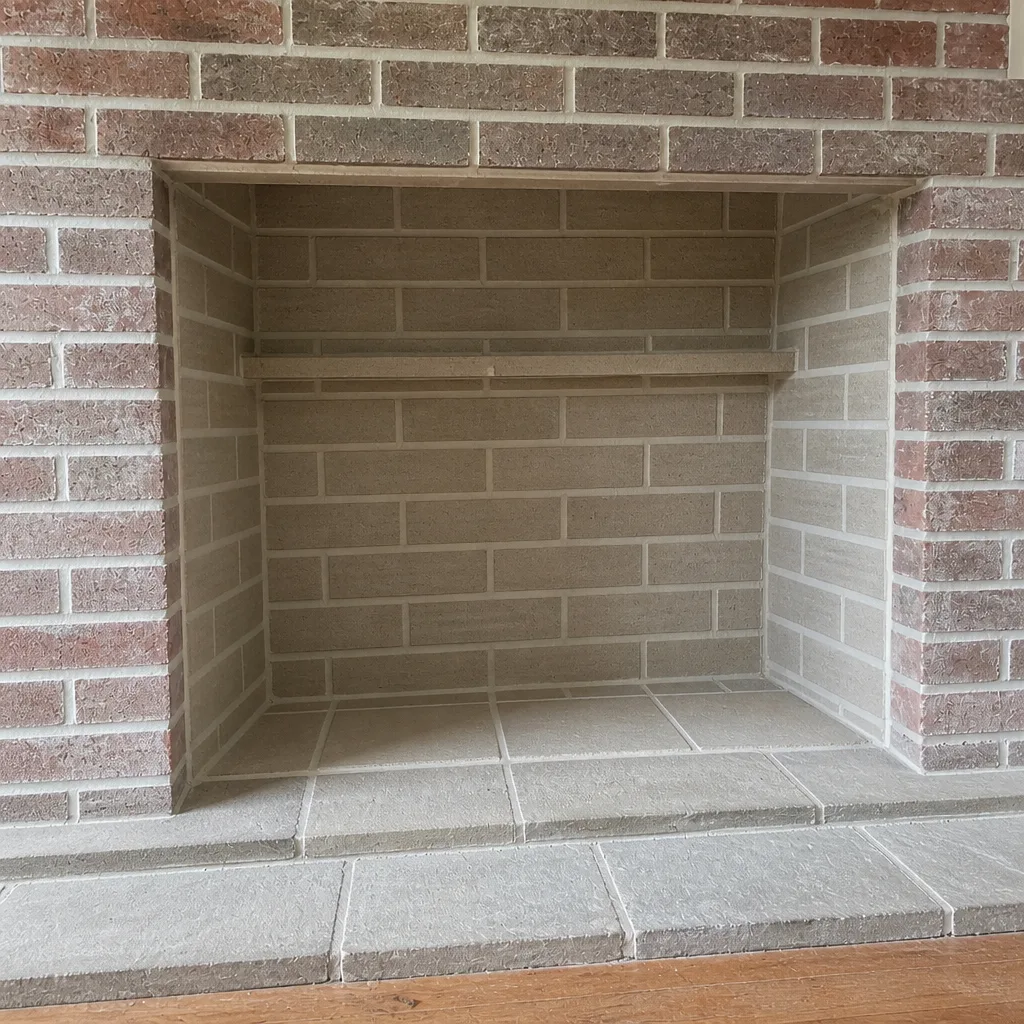
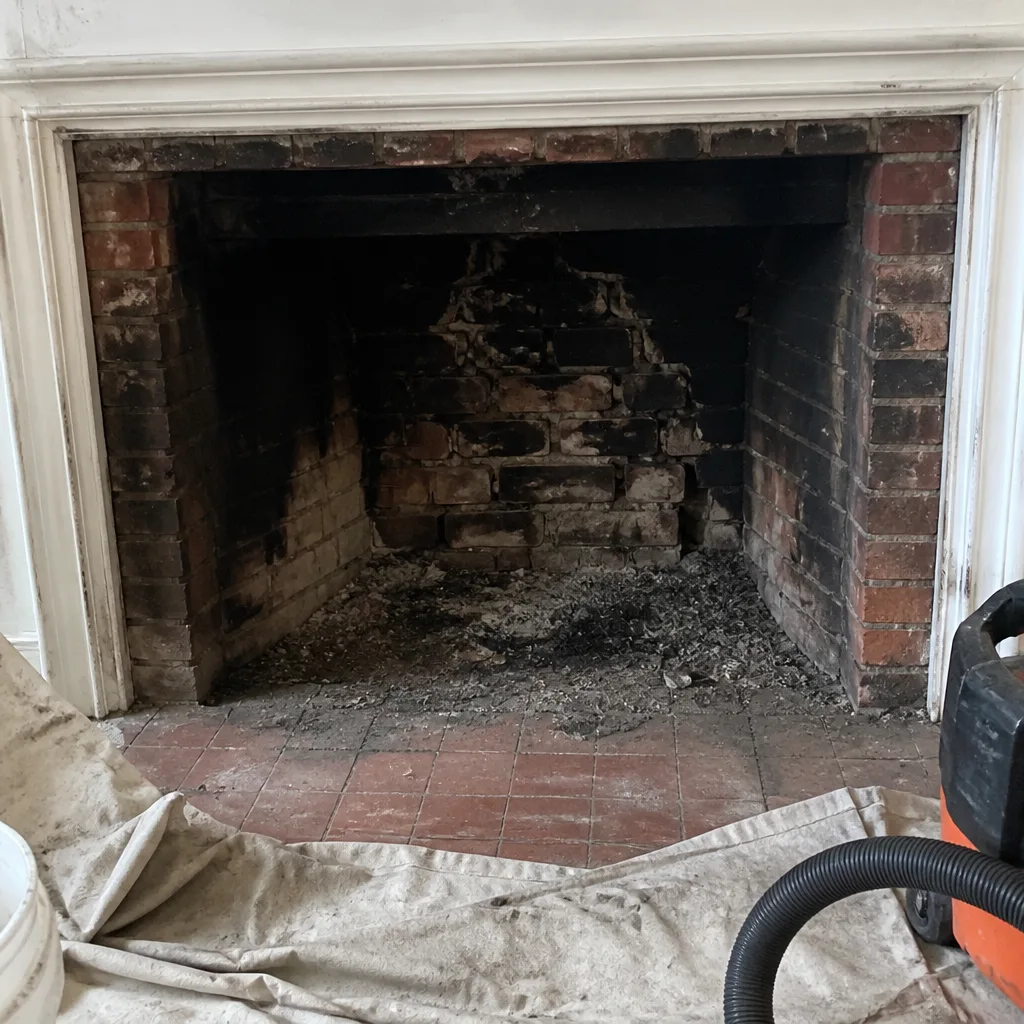
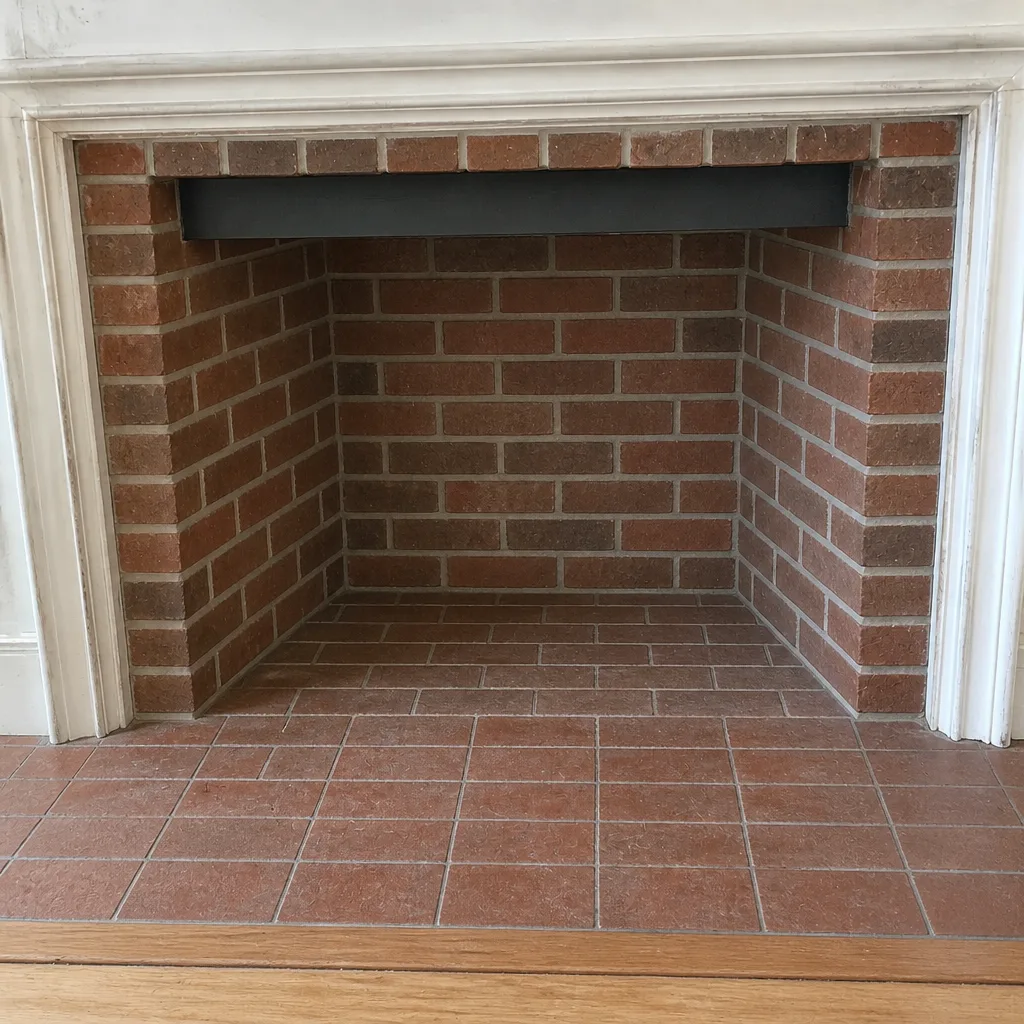
See the difference
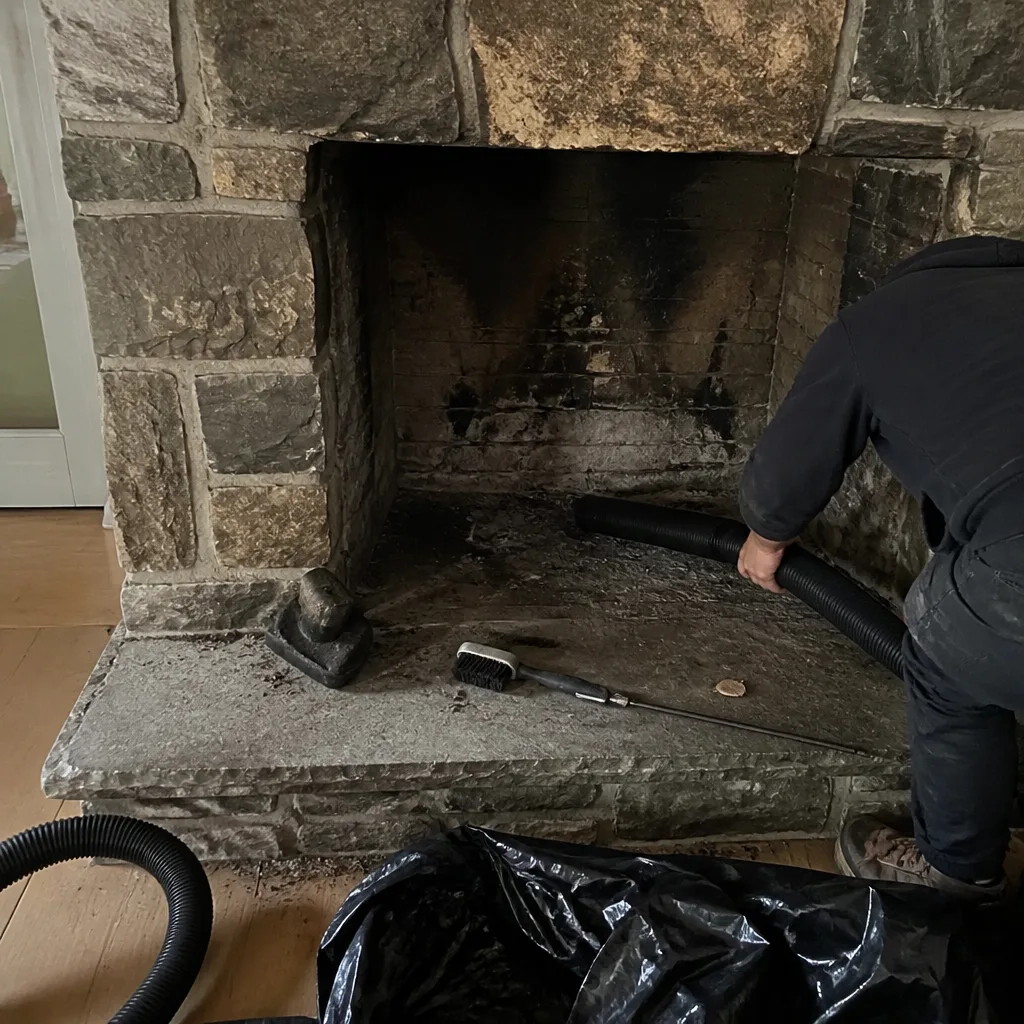 Before
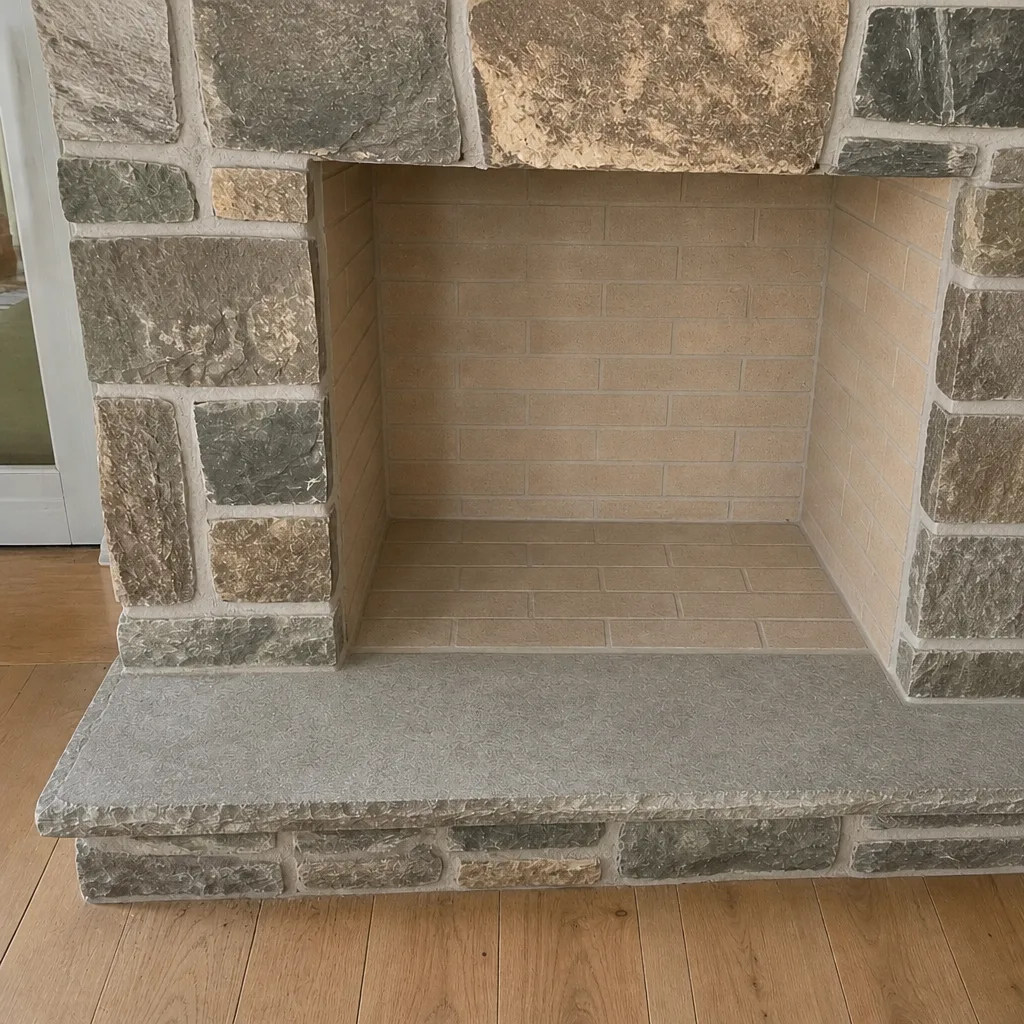 After
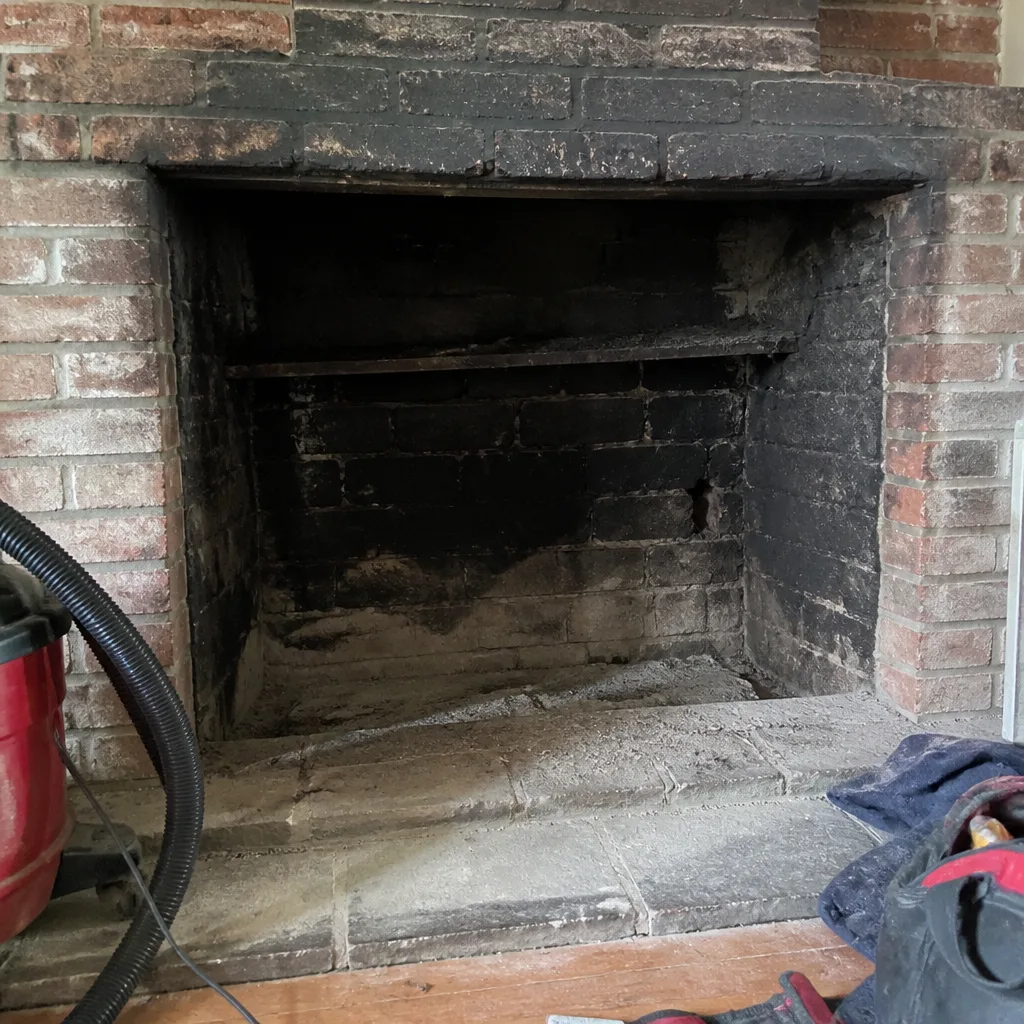 Before
 After
 Before
 After
Common Mistakes to Avoid
- Hiring on price alone. A low quote often means a quick sweep and no inspection. The difference in cost between a good contractor and a cheap one rarely equals what a missed liner problem costs to fix later.
- Assuming a state license exists. New York doesn’t issue one for chimney sweeps. If a website implies a state license, that’s worth a careful follow-up question about what credential they actually hold.
- Booking a sweep when you need an inspection. Routine cleaning is not the same as a documented inspection. If you’re buying or selling in Riverdale, or the chimney has a history you don’t know, you need the inspection level, not just the sweep.
- Accepting an oral estimate. A written, itemized estimate protects you. If there’s no paperwork, there’s no record of what was promised, and no way to compare it against the final bill.
- Ignoring the cap and crown. Most chimney water damage in Riverdale starts at the top. A sweep-only company won’t check these because they don’t install them. Ask specifically.
- Letting a technician talk you into repairs on the spot. If a recommendation is real, it will still be real tomorrow. Ask for the photos, ask for the estimate, and take the night to think about it.
- Skipping the written report. Without a report, you’re relying on memory for what was found. For a home sale or a future service call, the written record matters.
When to Call a Professional
Some jobs are maintenance, and some are reasons to pick up the phone today. If you’ve had a chimney fire, even a small one, get the system inspected before you use the fireplace again. If you smell smoke indoors when the fireplace is running, or the fire struggles to draw, that’s a draft problem worth diagnosing. Visible water stains, cracked masonry, or a damaged crown need a specialist, not just a sweep. And if you’re buying or selling a home in Riverdale, a documented inspection before closing is standard practice and gives both sides a clear record of the system’s condition.
If you’re not sure whether you need a sweep, an inspection, or a repair, call us. Chimney Sweep Riverdale offers free estimates in Riverdale. Call (888) 848-6804. We answer 24/7. Fast dispatch from 7am to 7pm, Sunday through Friday. Every estimate is based on what we find, not what we guess.
Frequently Asked Questions
A basic chimney sweep in Riverdale is typically quoted as a flat price for the visit, and the price is set by a written estimate after the scope is confirmed. Because the number depends on the flue, the fuel type, and whether any inspection or repair is needed, the estimate is the only accurate figure. Call (888) 848-6804 for an exact quote – estimates are free.
CSIA certification is a real third-party credential: a proctored exam and recertification to keep it current. It’s more meaningful than a website claim alone, but it doesn’t guarantee the specific person arriving at your house is certified. Ask who’s coming out and whether they hold the credential. Better yet, ask two or three questions about the inspection level they’ll perform and see how they answer.
A sweep removes creosote and soot from the flue. A specialist inspects and repairs the entire system – liner, cap, crown, firebox, and venting. Most routine maintenance is a sweep. Structural issues, purchase/sale inspections, and post-fire work need a specialist. In Riverdale, full-service companies handle both in a single visit so nothing is missed.
Annual inspection is the general standard. The sweep itself depends on use – a wood-burning fireplace used regularly needs more frequent cleaning than a gas appliance, and a home with heavy wood use may need sweeping more than once a year. The only reliable way to know is to have the flue inspected and see the buildup. Call (888) 848-6804 to book an inspection – estimates are free.
Creosote accumulates in the flue and becomes harder to remove over time, and a blocked or damaged flue can affect how the fireplace burns and vents. More importantly, skipping the inspection means structural problems like a damaged cap, a cracked crown, or a degraded liner go unnoticed until they become expensive. A routine visit catches these early. Call (888) 848-6804 to schedule – estimates are free.
Structural repairs like chimney rebuilds and liner replacement often require a permit, so ask your contractor to confirm the local requirement before work begins – and ask your city’s building department if you want the answer directly. A contractor who knows the local process and includes the permit step in the estimate is a good sign. Call (888) 848-6804 if you’d like us to walk through what a repair estimate looks like.
The Bottom Line
Hiring a chimney cleaning contractor in Riverdale comes down to a handful of decisions. Verify credentials, since the state won’t do it for you. Ask the five questions, and listen for whether the answers describe the full system or just the flue. Insist on an itemized, written estimate and a documented inspection with photos. Watch for the telltale red flags: no itemization, no inspection level, no material brand, pressure to upsell before work starts. And if the answer to any of those is thin, keep looking. Full-service chimney work in Riverdale is available from companies that inspect first and recommend second. That’s how you end up with a chimney system that’s actually clean, sound, and capped.
If you’d like to book a sweep or an inspection, call Chimney Sweep Riverdale at (888) 848-6804. We answer 24/7. Fast dispatch from 7am to 7pm, Sunday through Friday. Free estimates, and nothing is recommended without evidence you can see for yourself.
Written by the team at Chimney Sweep Riverdale.