
Last updated November 25, 2026
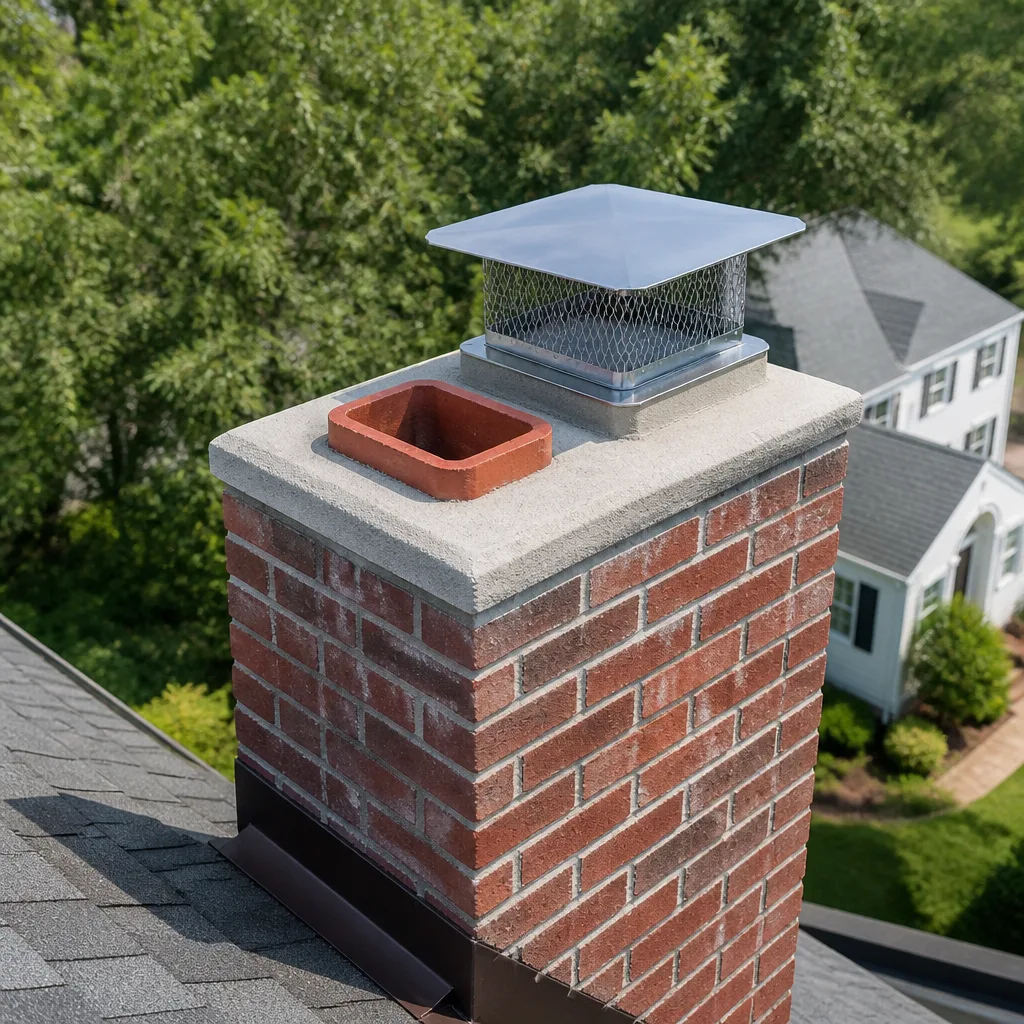 Sweep & inspection
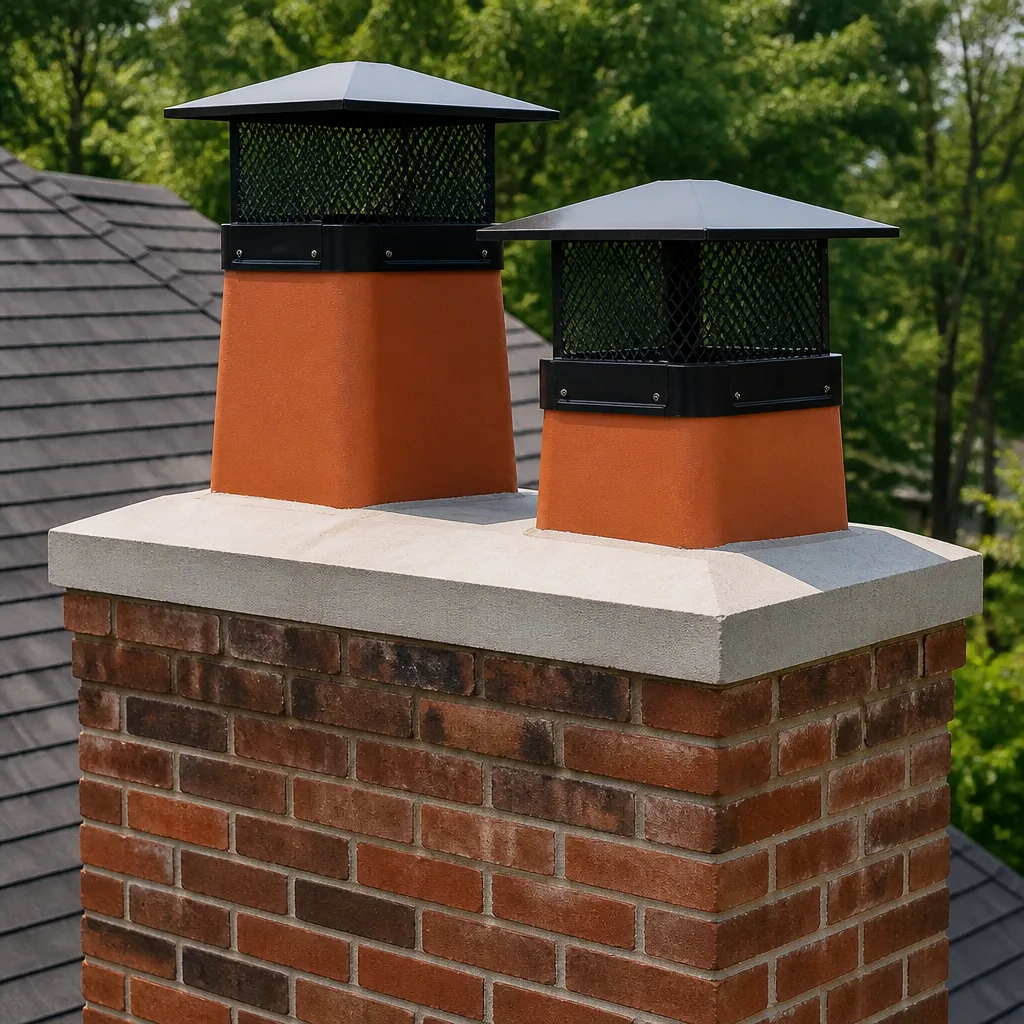 Caps & crowns
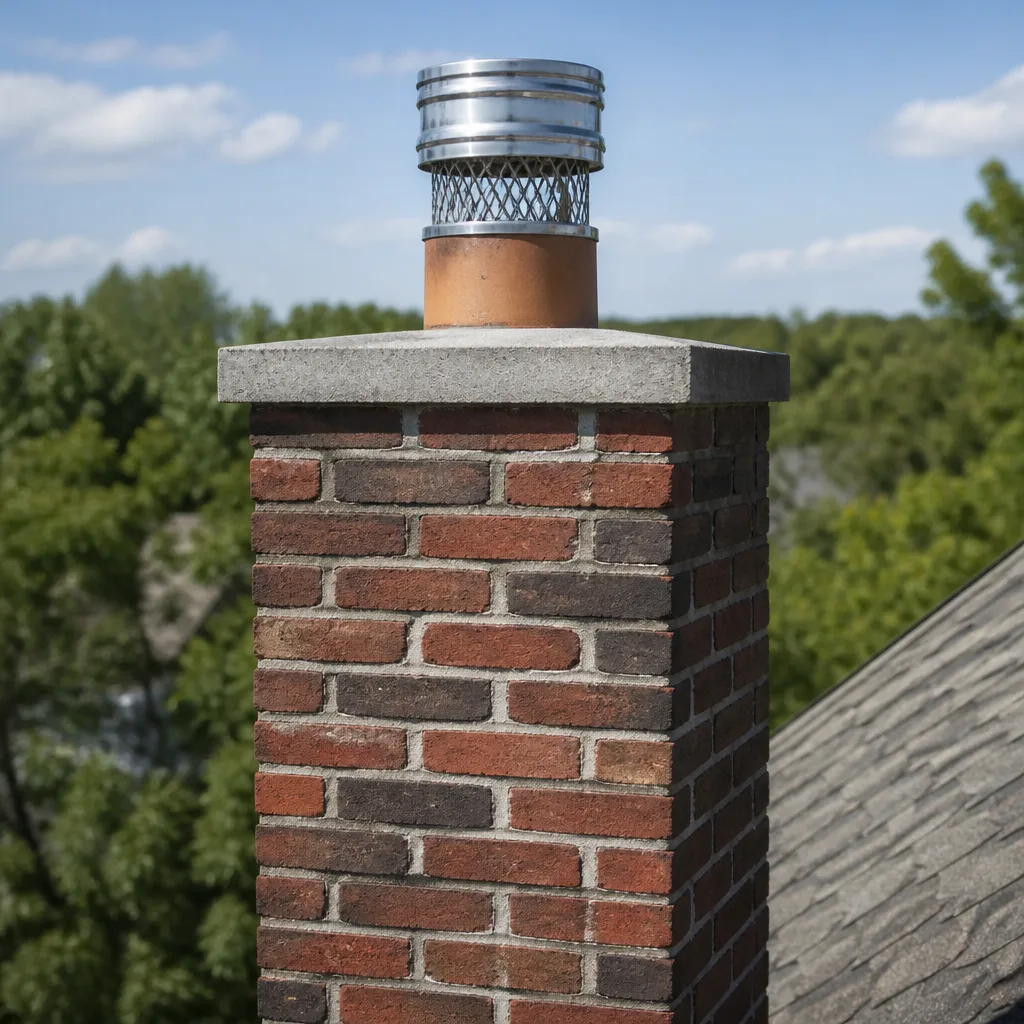 Flue relining
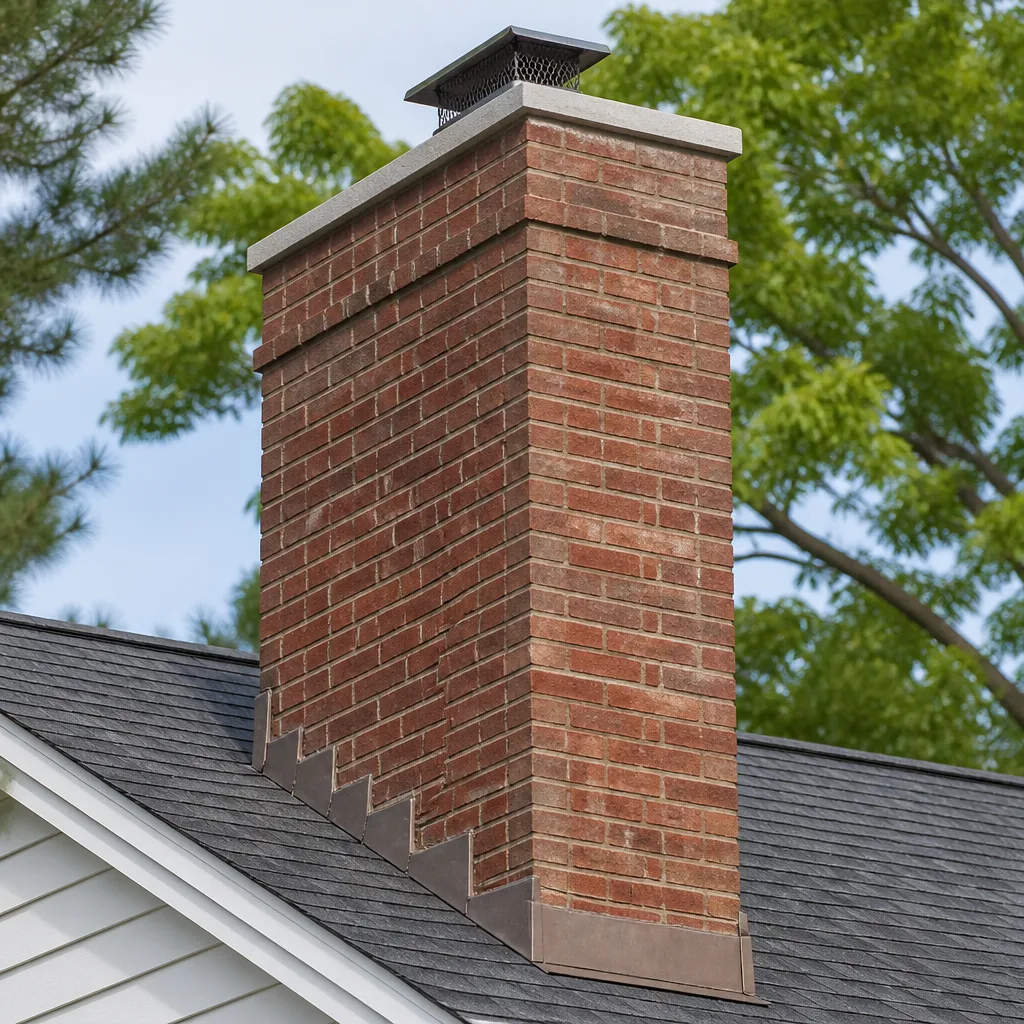 Masonry repair
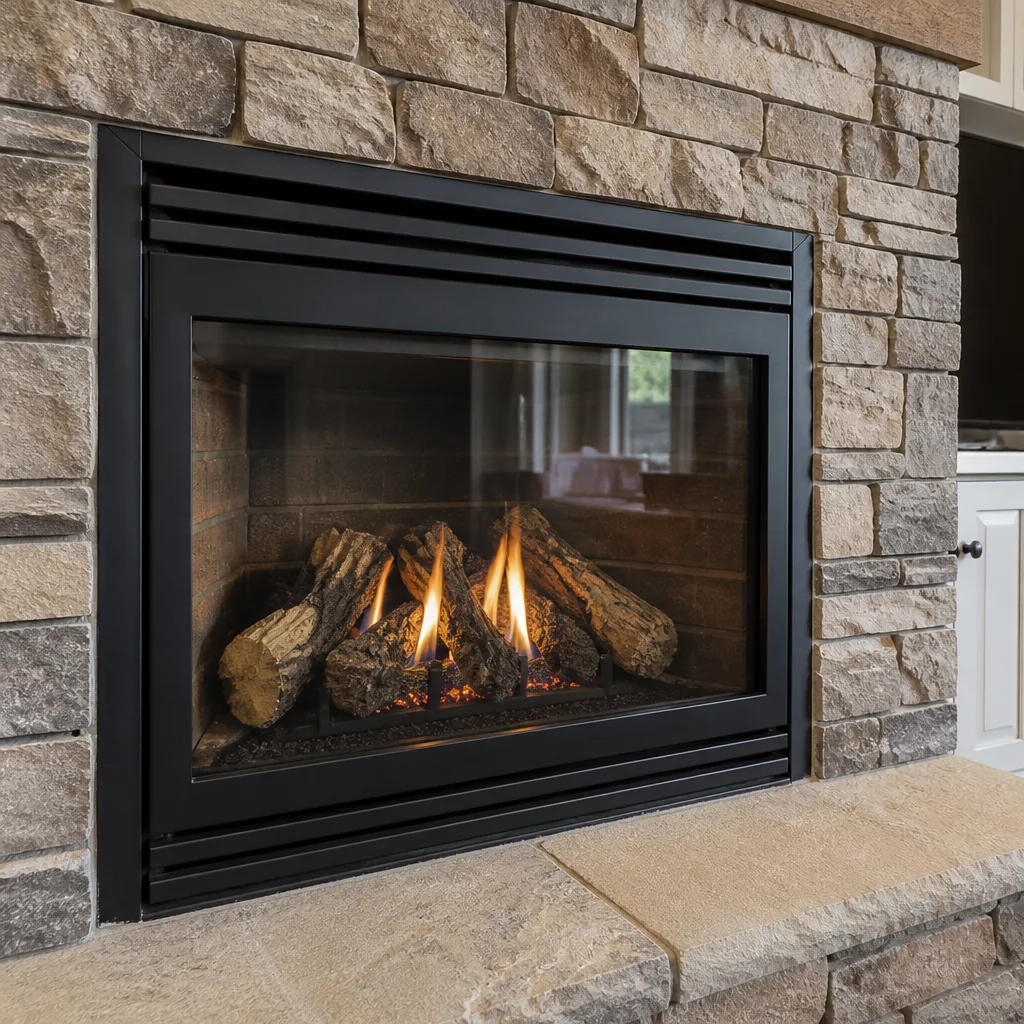 Gas fireplace service
Level 1 sweep and inspection to the NFPA 211 annual standard - flue, crown, cap, and flashing checked and photographed
Chimney sweep logs do not sweep chimneys. They loosen some creosote - which then falls where a brush and vacuum still have to collect it.
Chimney Cleaning Cost Breakdown: The Riverdale Homeowner’s Reference for 2026
A $99 chimney sweep and a $349 chimney sweep in Riverdale are not the same service priced differently. They’re different services, and the gap between them isn’t markup; it’s scope. One is a brush down the flue and a wave goodbye. The other is a full-system evaluation with a written record of what your chimney looks like from the firebox to the cap. Most homeowners never get told which one they bought until something fails. This reference breaks down what every distinct chimney service actually costs in Riverdale in 2026, what drives the price up or down within a category, and how to read a quote before you sign it.
Quick Answer
In Riverdale, a standard chimney sweep in 2026 typically runs $185 to $325, a sweep bundled with a Level 1 inspection $225 to $375, a standalone Level 2 inspection $250 to $450, a HeatShield flue resurfacing $1,400 to $2,800, and a chimney cap replacement $275 to $650 depending on material and flue count. The final price is set per job by a written estimate after the technician sees the flue. Anything quoted over the phone sight-unseen is a guess, not a price.
Styles & brands we work with
- Sweep & inspection
- Caps & crowns
- Flue relining
- Masonry repair
- Gas fireplace service
Table of Contents
- What does a chimney sweep cost in Riverdale?
- What does a chimney inspection cost, and which level do you need?
- What does liner repair or replacement cost?
- What do chimney caps and crowns cost?
- What actually drives the price of the same service?
- Where do the hidden costs hide after a low-price sweep?
- Annual maintenance vs. deferred maintenance: the real math
- How to read a chimney service quote
What does a chimney sweep cost in Riverdale?
A chimney sweep in Riverdale typically costs $185 to $325 for a single flue, and the number depends far more on what the technician actually does than on which company shows up. A bare sweep means brushing the flue, vacuuming the firebox and smoke chamber with a HEPA unit running the whole time, and removing creosote and soot. That’s it. It doesn’t include a documented inspection, a camera run of the flue, or a written report. It’s a cleaning, and it’s priced like one.
Here’s the range you’re working with in the Riverdale and greater Bronx market for 2026:
| Service | Typical 2026 range |
|---|---|
| Sweep only, single flue | $185 – $325 |
| Sweep with Level 1 inspection included | $225 – $375 |
| Additional flue (second chimney or dual-flue) | $75 – $150 each |
| Gas fireplace service and vent check | $150 – $275 |
| Heavy creosote removal (Stage 3) | $400 – $850 |
The number of flues matters in Riverdale because the housing stock is what it is. Pre-war brick homes in neighborhoods like Fieldston, Spuyten Duyvil and North Riverdale frequently have two flues sharing one stack, sometimes three in older center-hall layouts. A company quoting “one sweep” without asking how many flues you have is either going to bill you for the rest later or skip them. Ask up front. Second-flue pricing is usually a per-flue add-on, not a second full visit, but don’t assume it.
Heavy creosote is its own category. Stage 1 creosote is a light soot film you can see but not scrape. Stage 2 is flaky and layered. Stage 3 is glazed, hard, and bonded to the flue wall; removing it takes rotary equipment and time, and it’s the condition most closely associated with chimney fires. If your chimney hasn’t been swept in several seasons of regular burning, expect the upper end of the range. We won’t quote heavy creosote removal over the phone for that reason.
What does a chimney inspection cost, and which level do you need?
A standalone chimney inspection in Riverdale runs $250 to $450 for a Level 2, and $125 to $225 for a Level 1. The three levels are not marketing tiers. They’re defined scopes, and the difference between them is the difference between looking and documenting.
- Level 1. Visual check of accessible portions of the chimney, firebox, damper and flue from the appliance connection. No camera. Appropriate when nothing has changed and you’re maintaining a regular schedule.
- Level 2. Everything in Level 1 plus a video camera run through the flue, a look at the attic and crawl space where accessible, and a written report with photos. Required by most jurisdictions at a property transfer, after a chimney fire, after an earthquake, and after any change to the system such as a new appliance or liner.
- Level 3. Level 2 plus targeted access to concealed areas, which may mean removing part of a wall or crown. Rare, and priced by the specific access work rather than a flat range.
For a Riverdale homeowner buying or selling a house, a Level 2 is the one that matters. Sellers get asked for it, buyers want to see the flue before they commit, and a written photo report is what an attorney and a lender will accept. We offer inspection as a standalone service for exactly this reason. You shouldn’t have to book a cleaning you don’t need to get an answer about your chimney’s condition.
Annual safety checks on a wood-burning fireplace in active use are usually a Level 1, and it’s often bundled into the sweep at a lower combined price than booking them separately. That bundled number is the one worth comparing across quotes. Once you have the inspection report, the repair recommendation that follows is where the real decisions start, and that’s covered in our guide to chimney repair.
What does liner repair or replacement cost?
Liner work is the line item that separates chimney companies, and in Riverdale in 2026 it runs from $1,400 to $2,800 for HeatShield resurfacing and roughly $3,000 to $6,500 for a full stainless liner replacement depending on height, flue configuration and the liner system used. This is the number homeowners dread, and it’s the number that most deserves a careful read, because “your liner is shot” is not a diagnosis. It’s a sales sentence.
There are two legitimate paths when a flue has deteriorated:
- Resurfacing. A cement-based product, applied in place, that smooths and seals a flue with cracked or spalled joints that is otherwise structurally sound. HeatShield is the recognized product line for this, and we’re set up to apply it. Cost lands below a full replacement, no demolition, and the flue’s original dimensions stay the same.
- Relining. A new liner installed inside the old flue when the original is too far gone for resurfacing, or when the appliance requires a specific flue size the masonry can’t provide. DuraFlex and Olympia Chimney are the two systems we specify most, and the choice between them comes down to the flue’s actual geometry, not preference.
The critical question is which one you need, and the only honest answer comes from a camera run. A company that recommends a $4,000 reline without showing you the footage of the defect is asking you to take their word for it. We won’t. Nothing gets recommended without camera evidence you can watch for yourself on the monitor. And when a flue has minor joint wear that can safely wait a season, we say so.
One more thing about Riverdale liners: gas-fired appliances and wood-burning appliances have different venting requirements, and a home that’s been converted from one to the other sometimes has a flue sized for the old one. That mismatch shows up in the inspection report as a venting condition, not a cleaning problem, and it’s worth knowing before you compare quotes on a sweep alone. More on flue condition lives in our main chimney sweep in Riverdale overview.
What do chimney caps and crowns cost?
A chimney cap replacement in Riverdale typically runs $275 to $650, and crown repair runs $450 to $1,200 depending on the extent of the rebuild. This is the cheapest layer of the chimney system and the one that causes the most expensive damage when it fails, which is a frustrating combination. Water entering through a failed crown or an open flue runs down the inner wall, degrades the mortar joints, rusts the damper, and eventually reaches the ceiling below.
Pricing breaks down roughly like this:
- Single-flue cap, galvanized or stainless: $275 – $450 installed
- Multi-flue or custom-fit cap: $450 – $650 installed
- Animal guard or spark arrestor screen: often included with the cap, $50 – $125 if added separately
- Crown crack sealing (minor): $450 – $600
- Crown rebuild, partial or full: $700 – $1,200
We use Gelco and Famco components for cap and crown work because the cast crown and the cap’s fit to the flue are what determine whether water gets in. A cheap cap that sits loose or rusts through in a few seasons is a repeat cost. Raccoons and birds are a real issue in Riverdale’s older neighborhoods where chimneys sit close to mature tree cover, and a proper cap with a screen solves both the wildlife and the rain problem at once. Cap and crown work is often the repair that a sweep-only company can’t do at all, which is why the recommendation sometimes gets deferred to a second contractor and a second visit. It’s covered properly on our chimney cap and crown page.
What actually drives the price of the same service?
Two companies quoting the same “sweep” in Riverdale can be $150 apart and both be honest. Six variables move the number, and knowing them is how you tell a fair quote from an odd one.
- Chimney height. A roof with a short run to the cap is faster and safer to work than a tall stack on a steep pitch. Height affects labor time and equipment setup.
- Number of flues. Each additional flue is another brush run and another section of the report. Expect a per-flue add-on, not a full second charge.
- Fuel type. Wood-burning systems carry creosote and need the full brush-and-vacuum treatment. Gas fireplaces produce less soot but have their own venting checks. The two aren’t priced the same.
- Time since last cleaning. A chimney swept annually is a routine job. One that’s gone several seasons with heavy burning takes longer, may need rotary tools, and lands in the upper range or above it.
- Access difficulty. A chimney boxed in behind a finished wall, a roof with limited safe standing room, or a firebox with a tight surround all add time. Access is legitimate cost, not padding, but it should be noted in the quote.
- What’s included. This is the big one. A sweep with a camera inspection and a written photo report is simply more work than a brush and a bag. That accounts for most of the price gap between a $99 ad and a $349 quote.
Our technicians have up to 13 years of experience across these variables, and the one thing that consistently changes a quote after the technician arrives is condition discovered in the flue. That’s not a bait-and-switch if you’re shown the evidence; it is if you’re not. Ask to see it.
Where do the hidden costs hide after a low-price sweep?
The low-price entry sweep isn’t a scam on its own. It’s a business model, and the model depends on finding something to sell once the technician is in the house. That’s the mechanism you need to understand, because it turns a $99 call into a $900 one and none of the added costs show up in the ad.
- Inspection billed separately. The entry price covers the brush only. The camera inspection and written report that should be part of any real service is charged as an add-on once you’re already committed to the appointment.
- “Findings” that require immediate action. A cracked crown, a questionable flue joint, a damper that “needs replacing.” Some of these are real. The tell is whether you’re shown the footage and given a written scope, or told verbally that it has to be done today.
- Trip charges for equipment not on the initial visit. The technician arrives without the rotary tool or the right cap size, then bills a return trip. Professional-grade work means the equipment and the product lines are planned before the visit, not discovered on it.
- Scope creep on the liner. A recommendation for full replacement when resurfacing would do is the single most expensive hidden cost in this trade. HeatShield resurfacing exists precisely because not every worn flue needs a new liner, and a company that doesn’t offer it can’t offer you the cheaper correct answer.
- The second contractor. A sweep-only operation finds a cap or crown problem and refers it out. You pay two service calls and lose the single point of accountability for the whole system.
The defense is simple. Get the scope in writing before the appointment, ask whether the inspection and report are included, and ask what happens to the price if the flue is in worse condition than expected. A company that answers those three questions plainly isn’t hiding anything.
Annual maintenance vs. deferred maintenance: the real math
Here’s the comparison that decides whether an annual sweep is worth it, laid out without a sales pitch. One path is a recurring small cost. The other is a recurring small cost you skipped, followed by a much larger one you didn’t choose.
| Path | Routine cost | Eventual major cost | What changed |
|---|---|---|---|
| Annual maintenance | $225 – $375 per year (sweep + Level 1) | Cap and crown on schedule: $275 – $1,200 when due | Small expenses stay small |
| Deferred maintenance | Nothing until something fails | Liner resurfacing or replacement: $1,400 – $6,500 | Small problems become structural ones |
A $300 annual service is not primarily buying you a cleaning. It’s buying you the inspection that catches a $450 crown repair before it becomes a $2,800 flue problem, and it’s buying you the documentation that the flue was healthy in a given year. That last part matters in Riverdale’s older housing stock, where flue condition at a property transfer gets scrutinized and a documented maintenance history is worth more than the paper it’s printed on.
What a sweep actually prevents is chimney fire. Creosote accumulates with every fire, and at Stage 3 it’s a combustible material bonded to the inside of your flue. A chimney fire can crack the flue liner and compromise the structure in ways that aren’t visible from the hearth. That’s the specific risk a regular sweep addresses, and it’s why the National Fire Protection Association’s guidance in this trade points to annual inspection and cleaning as needed. Alongside that is carbon monoxide risk from a blocked or deteriorated flue on a gas appliance or a wood stove, which is why gas systems don’t get skipped just because there’s no visible soot. The urgency is seasonal, not hourly: book before heating season, not the night the first cold snap hits.
The rule we work by is inspect first, then recommend. If the camera shows the flue is fine, you get told the flue is fine. If a repair can safely wait a season while you budget for it, we say that too. Nothing gets pushed to close a sale.
How to read a chimney service quote
A chimney service quote is complete or it isn’t, and the missing pieces are usually the ones that generate the surprise charge later. Read it against this checklist before you sign.
- Is the scope named specifically? “Chimney cleaning” is not a scope. “Sweep single flue, brush and HEPA vacuum firebox and smoke chamber, Level 1 visual inspection, written report” is.
- Is the inspection included or separate? If it’s separate, price it in before you compare totals. The all-in number is the only one that matters.
- Is the flue count stated? A quote that doesn’t specify one, two or three flues leaves room to add. Confirm the per-flue charge up front.
- Is the price firm or subject to re-quote? Most companies re-quote if the flue is in worse condition than described. That’s fair, but ask what triggers it, and what evidence you’ll be shown.
- Is there a return-visit charge? If the job needs a part or tool not on the initial visit, who pays for the second trip? Get it in writing.
- Is the product line specified? For liner work, the quote should name the system: HeatShield for resurfacing, DuraFlex or Olympia Chimney for relining. For caps, Gelco or Famco. Professional-grade materials and hardware-store substitutes don’t price the same, and the quote should say which you’re getting.
- Is the recommendation documented? A written scope should include the camera evidence, the defect it describes, and the cost of each repair option. If a repair is recommended without documented evidence, ask for it.
A quote built on this checklist is one you can compare line-for-line against another. A quote that fails it can’t be compared at all, which is usually the point.
Common Mistakes to Avoid
- Comparing a sweep price to a sweep-plus-inspection price. They’re different services. The lower number isn’t a better deal on the same job; it’s a different job.
- Booking the low-price entry sweep and assuming the inspection comes with it. It usually doesn’t. The inspection you need to evaluate the flue is often the charge that appears later.
- Accepting a liner replacement recommendation without camera footage. Ask to see the flue. HeatShield resurfacing is a real, cheaper alternative for a worn but structurally sound liner, and a company that doesn’t offer it can’t tell you about it. If a company won’t show you the evidence, that’s your answer.
- Waiting until cold weather to schedule. The urgency here is seasonal, not hourly. Book a sweep before heating season rather than after the first burn, when everyone else remembers their chimney at once.
- Ignoring the cap because the fire still burns fine. A failed cap or crown lets water and wildlife in, and the visible fire gives no warning until the damage reaches the ceiling. Cap and crown work is the cheapest layer to fix and the most expensive to skip.
- Hiring a sweep-only operation on a chimney with a known problem. A company that can’t do cap, crown and liner work refers you out, and you lose the single point of contact for the whole system.
- Signing a quote that doesn’t name the number of flues or the product line. Both are the items most likely to generate a later charge. Get them in writing before the appointment.
See the difference
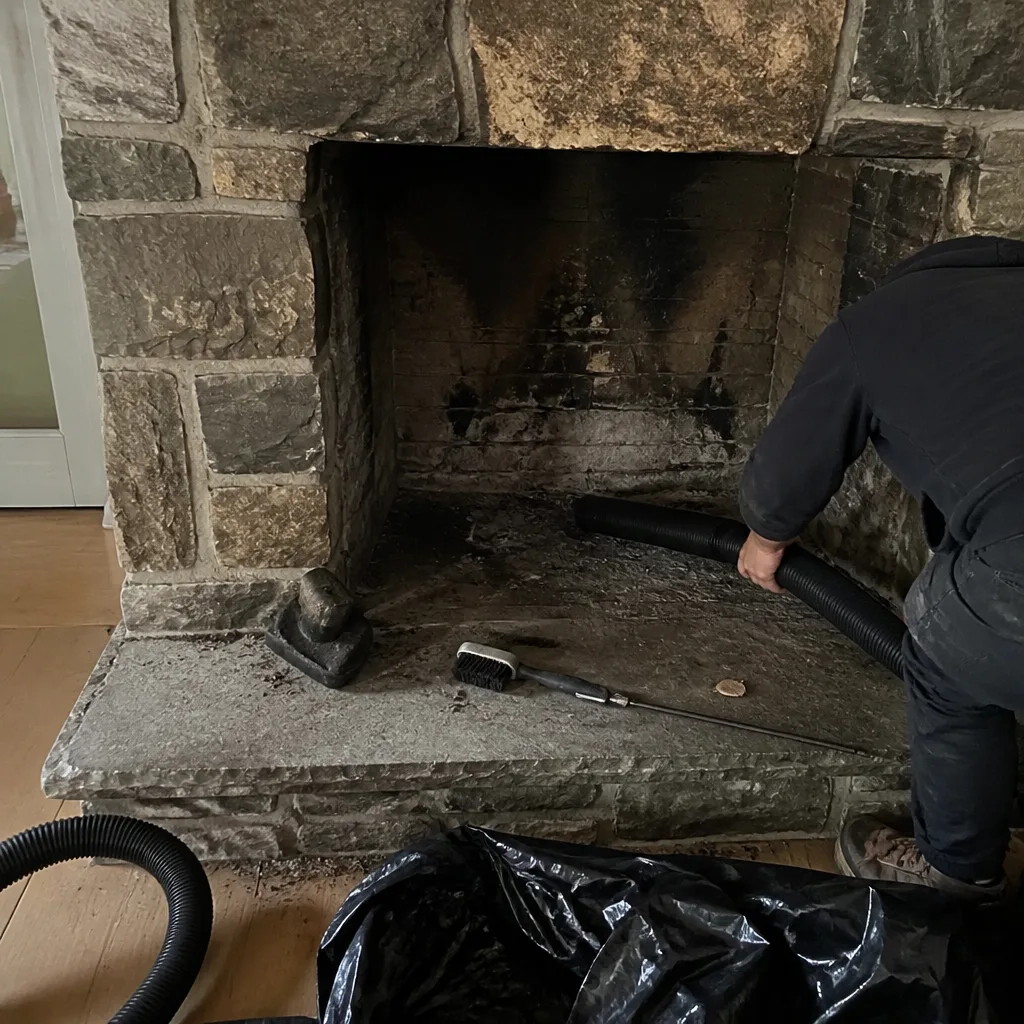 Before
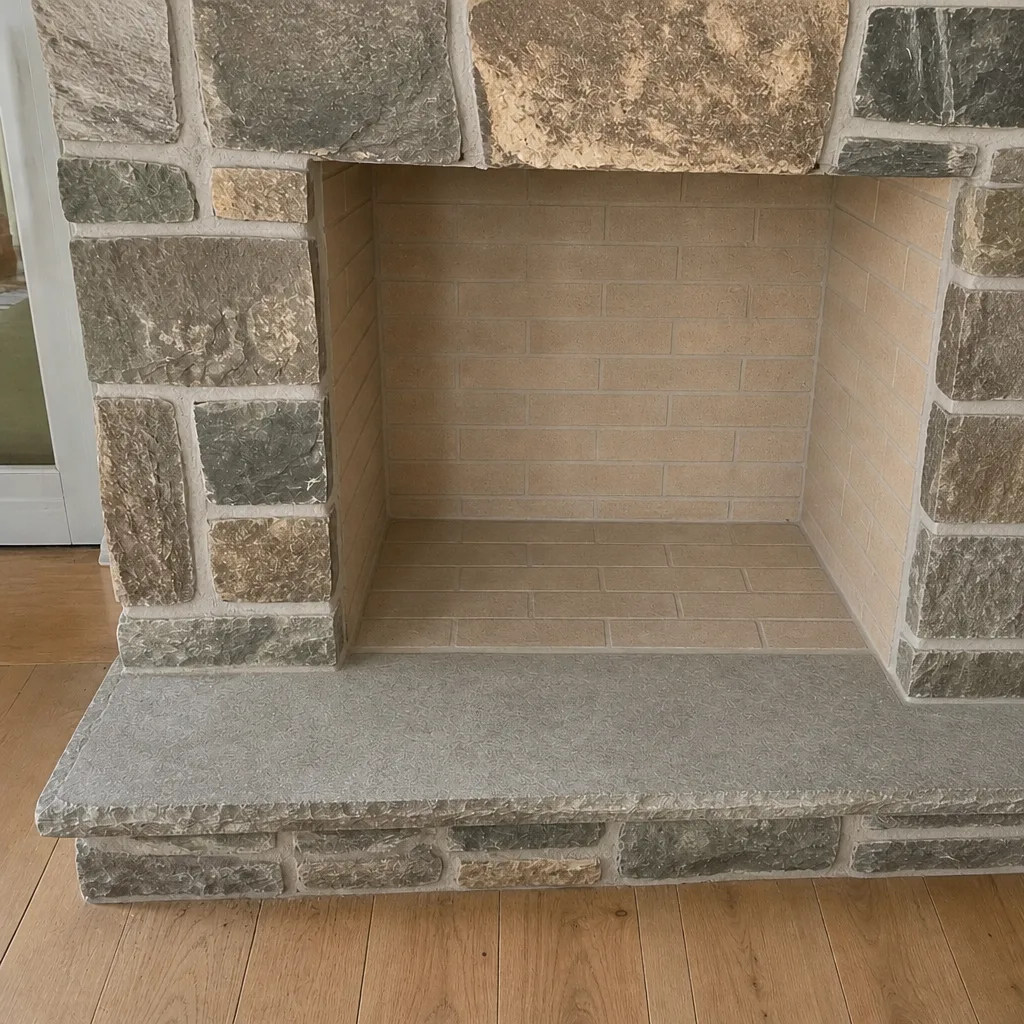 After
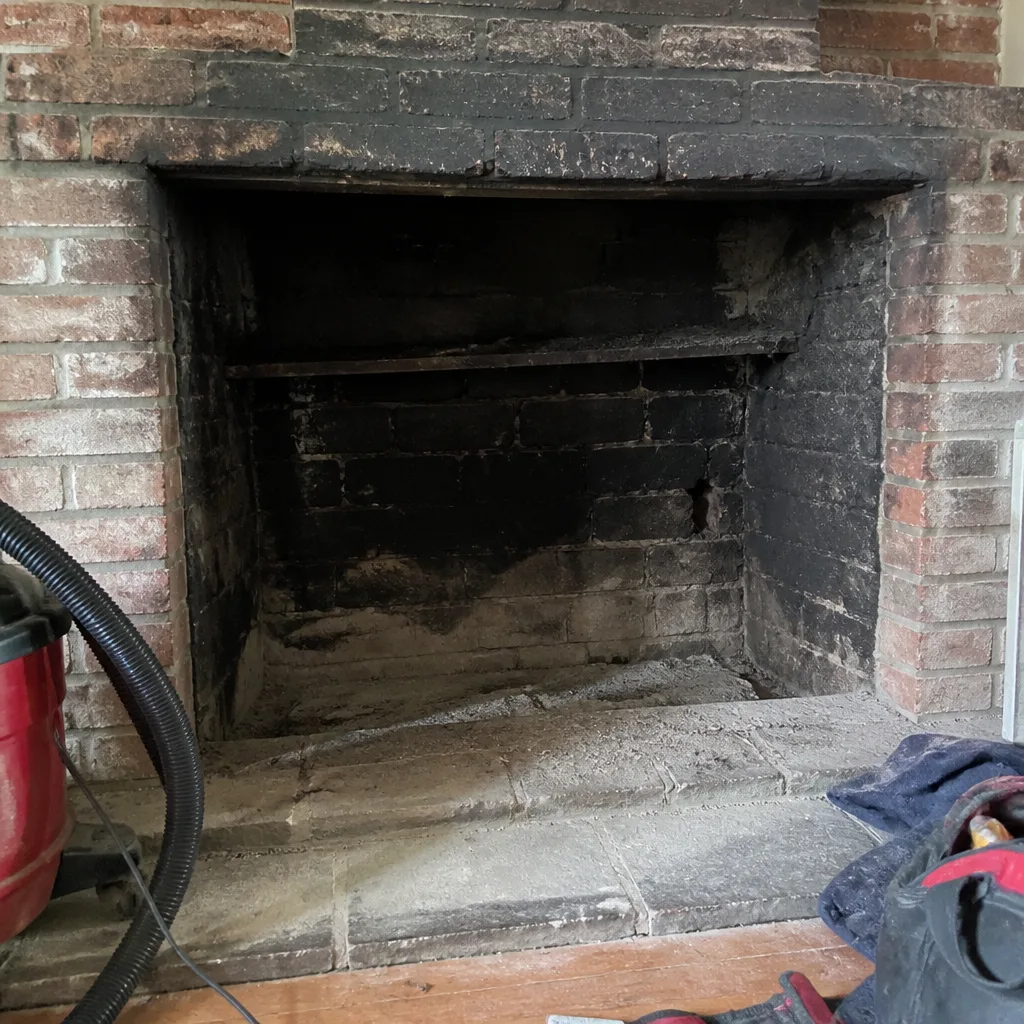 Before
 After
 Before
 After
When to Call a Professional
Call a professional when your chimney hasn’t been swept in a season of regular burning, when you’re buying or selling a Riverdale property and need a Level 2 inspection and written report, when you’ve noticed water staining around the firebox or on the ceiling, when a cap is missing or damaged, or when a gas appliance has never had its venting checked. Also call after any chimney fire, even one that seemed to burn out on its own; the flue needs a camera run to confirm the liner is intact, and that’s not something to verify by eye from inside the firebox. Spring and early fall are the calmest windows in Riverdale for booking, so schedule before the heating season and you’ll get the appointment you want rather than the one that’s left. Chimney Sweep Riverdale offers free estimates in Riverdale; call (888) 848-6804.
Frequently Asked Questions
A chimney sweep in Riverdale typically costs $185 to $325 for a single flue in 2026, with a sweep plus Level 1 inspection running $225 to $375. The final price is set per job by a written estimate, and heavy creosote or multi-flue chimneys land at the higher end. Call (888) 848-6804 for an exact quote; estimates are free.
Not always, and “your liner is shot” without camera footage isn’t a diagnosis. Many worn flues can be resurfaced with HeatShield rather than replaced, which costs $1,400 to $2,800 instead of $3,000 to $6,500. If a company recommends a full replacement, ask to see the footage of the defect first. Call (888) 848-6804 for a second opinion with estimates that are free.
Annually for a chimney in regular use, with an inspection each year and a camera run whenever a change has occurred, such as a new appliance or a property sale. The cleaning itself is based on how much creosote has built up, so heavy burners may need it more often. Call (888) 848-6804 to book a sweep or a standalone inspection.
Creosote builds up with every fire, and at Stage 3 it becomes a hard, flammable layer bonded to the flue wall that puts you at real risk of a chimney fire. That’s the specific hazard a regular sweep addresses, and skipping it means the flue is inspected by nobody until something fails. Call (888) 848-6804 to get it looked at; estimates are free.
Because they aren’t the same service. The lower price usually covers a brush and vacuum only, while the higher price includes a camera inspection, a written photo report, and a look at the cap and crown. Compare the all-in scopes, not the headline numbers. Call (888) 848-6804 if you want a line-item quote you can compare.
Yes. Inspection is a standalone service here, which matters if you’re buying or selling a property or are simply overdue for a check and don’t need a sweep. A Level 2 inspection with camera and written report runs $250 to $450. Call (888) 848-6804 for an estimate.
The Bottom Line
The price of chimney cleaning in Riverdale in 2026 varies by a factor of three or four because companies are quoting different jobs, not the same job at different markups. A sweep is $185 to $325, a sweep with inspection $225 to $375, and a Level 2 inspection on its own $250 to $450. Liner work is the big variable: HeatShield resurfacing at $1,400 to $2,800 versus full replacement at $3,000 to $6,500. Caps and crowns, at $275 to $1,200, are the cheapest line items and the ones that prevent the rest. Get the scope in writing, ask whether the inspection is included, and insist on seeing the evidence behind any recommendation. That’s what makes a quote comparable.
Contact
If you’re ready to know exactly what your chimney needs, call Chimney Sweep Riverdale at (888) 848-6804 for a free estimate. We answer 24/7, with fast dispatch from 7am to 7pm, Sunday through Friday. From the firebox to the cap, from a routine sweep to HeatShield resurfacing and a Gelco or Famco cap, one visit covers the whole system. Call (888) 848-6804. We answer 24/7.
Written by the team at Chimney Sweep Riverdale.