
Last updated November 25, 2026
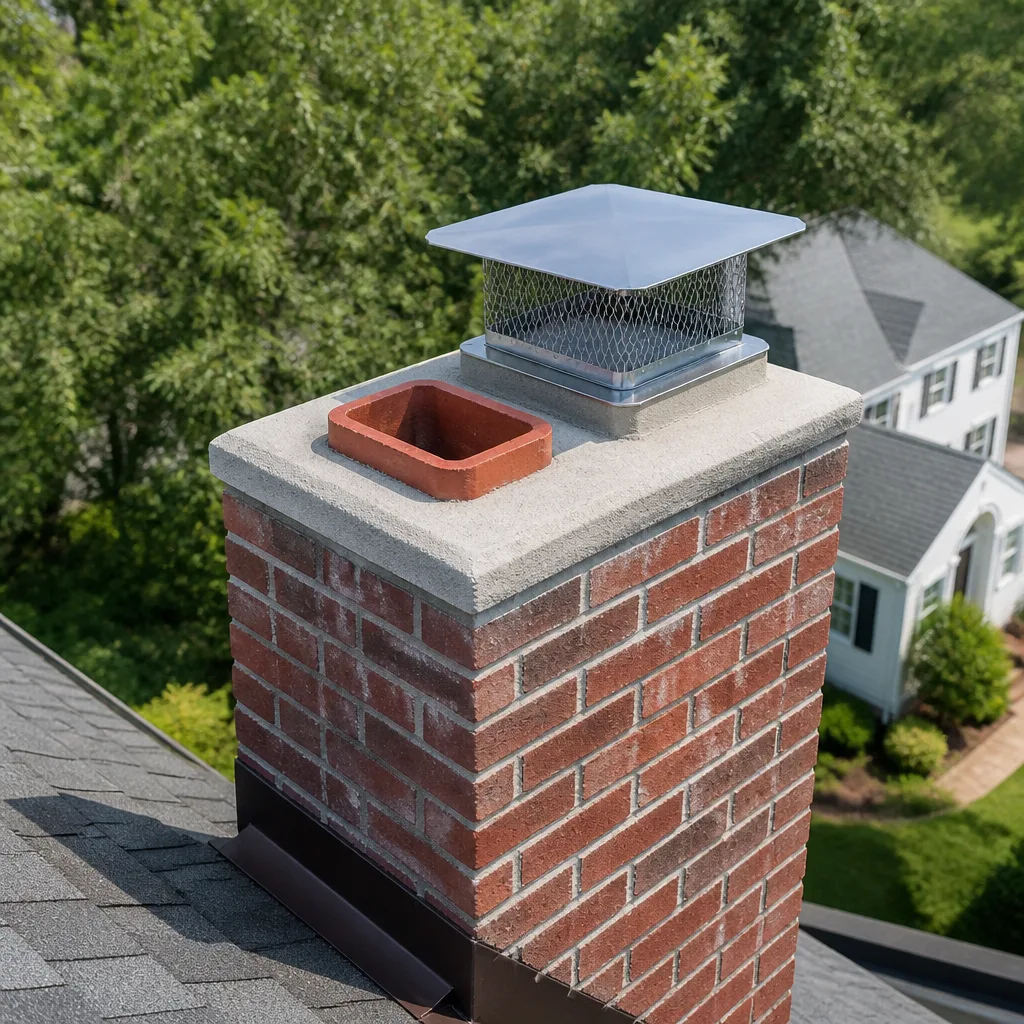 Sweep & inspection
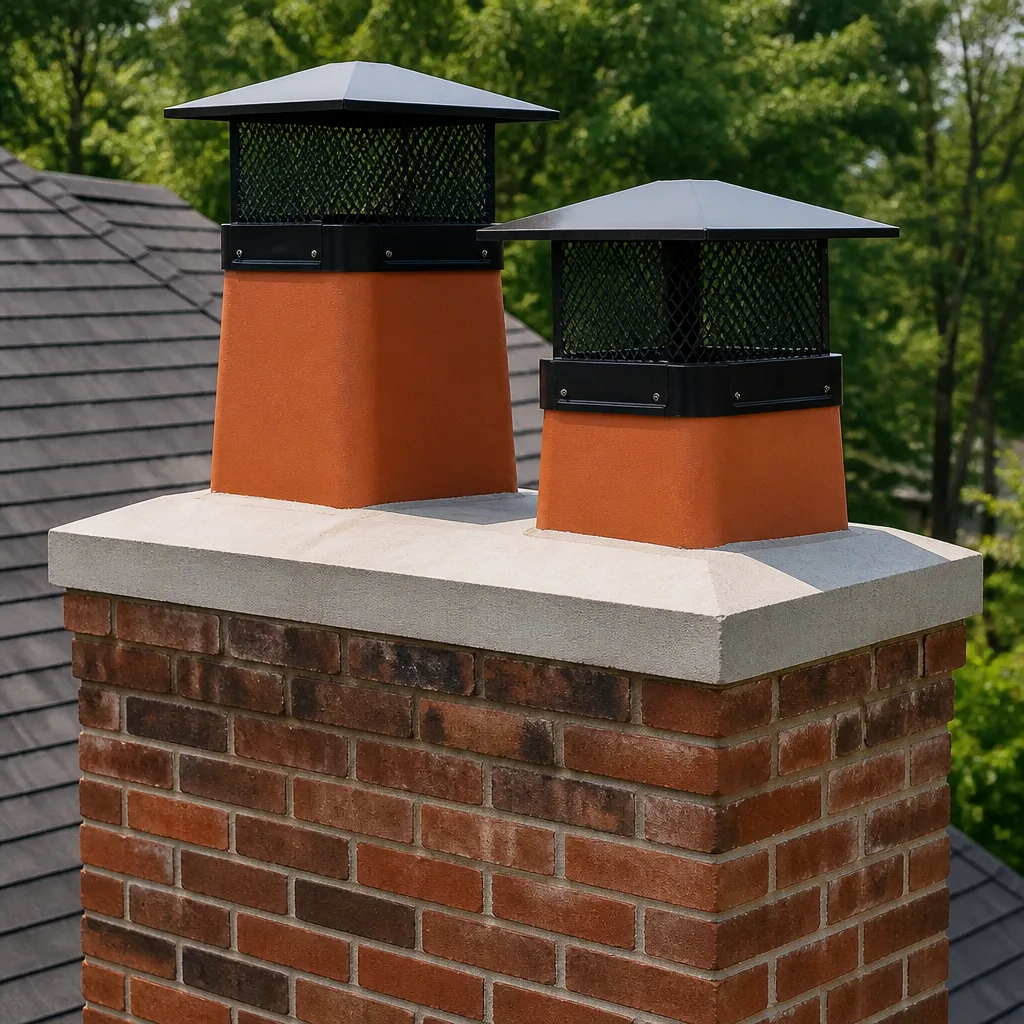 Caps & crowns
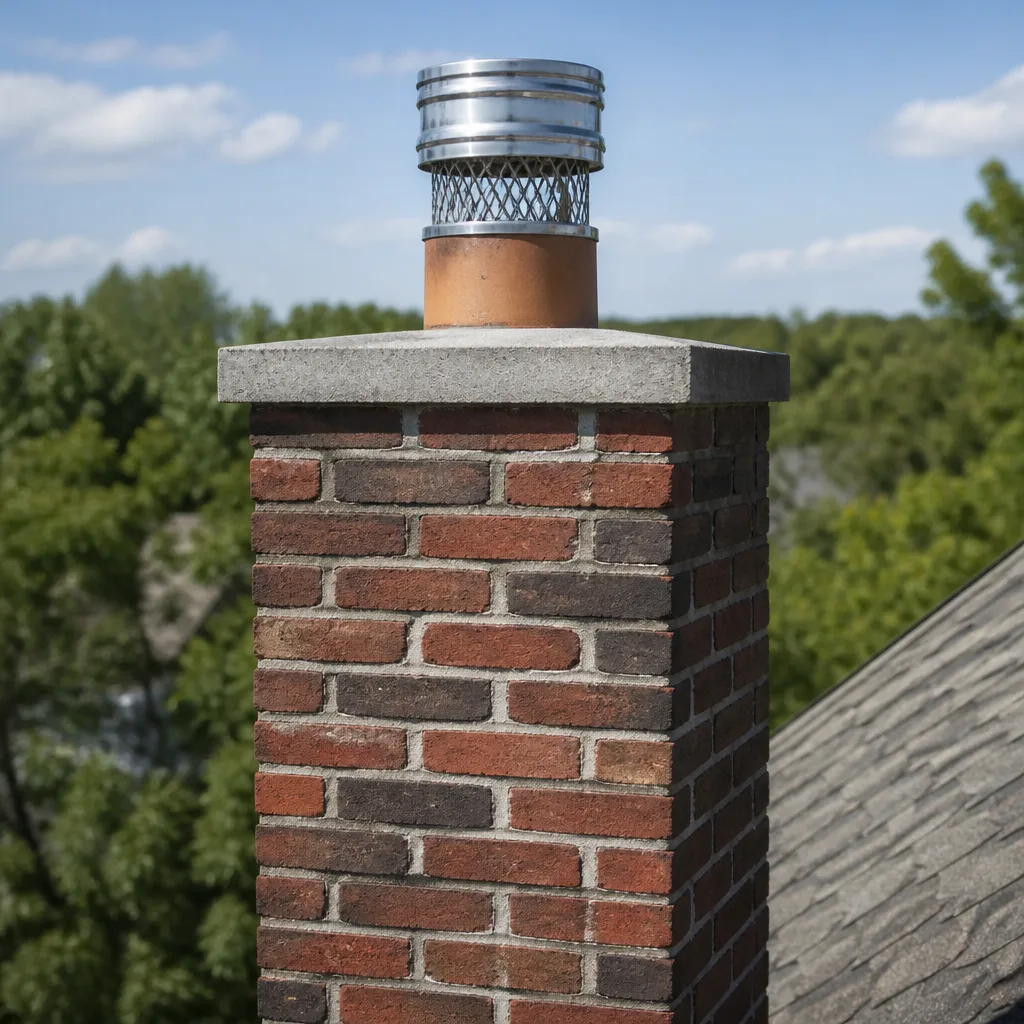 Flue relining
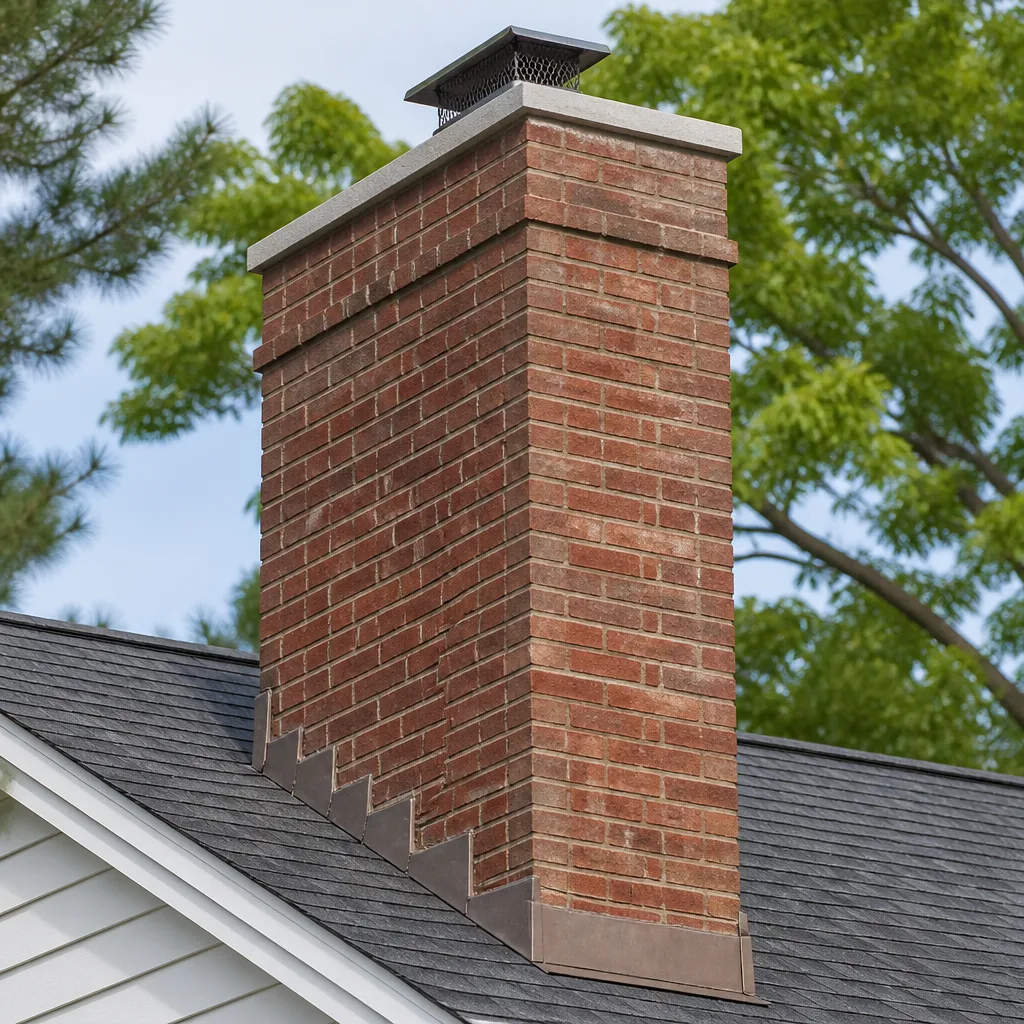 Masonry repair
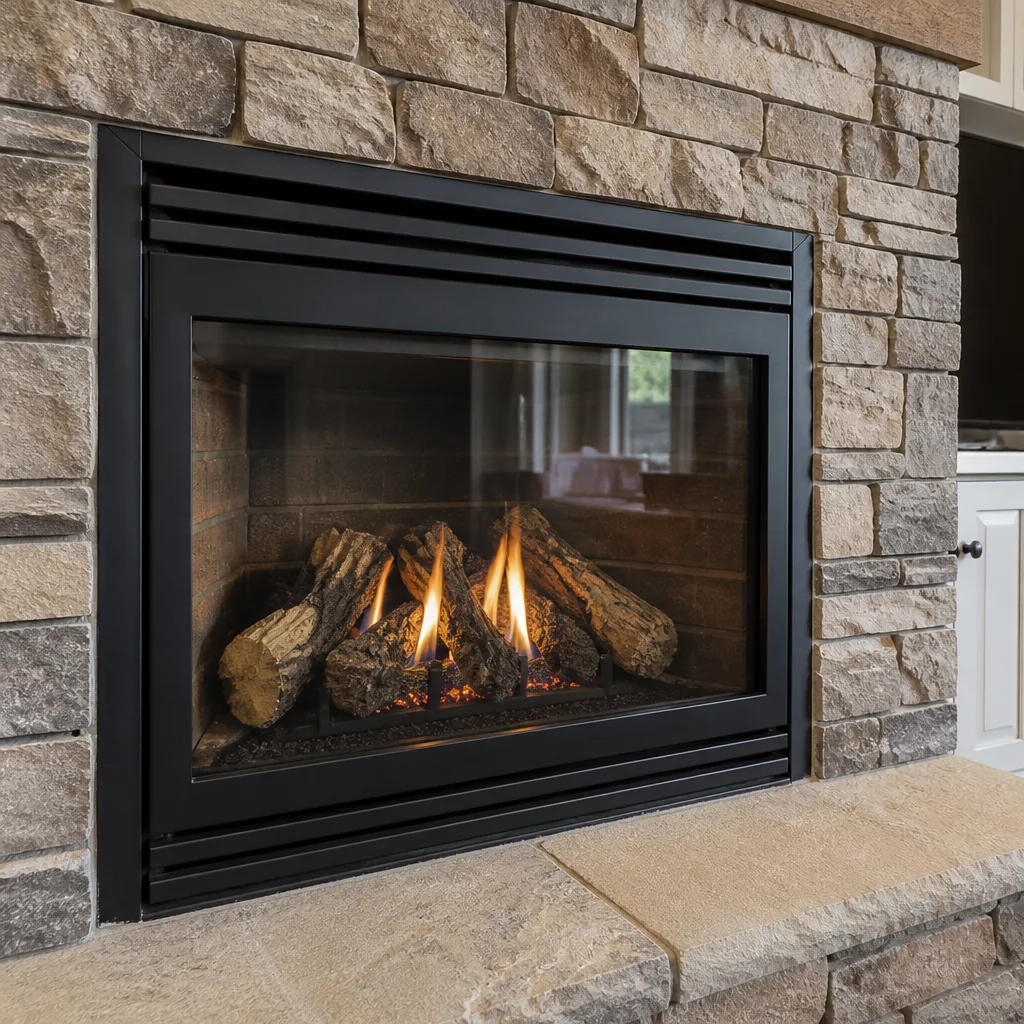 Gas fireplace service
Level 1 sweep and inspection to the NFPA 211 annual standard - flue, crown, cap, and flashing checked and photographed
Chimney sweep logs do not sweep chimneys. They loosen some creosote - which then falls where a brush and vacuum still have to collect it.
Seasonal Chimney Cleaning Care for Riverdale: Year-Round Homeowner’s Guide
The chimney fire or carbon monoxide event that happens in December was usually set up in April, when melt water entered a cracked crown and nobody was paying attention because the fireplace wasn’t in use. That’s the counterintuitive part of chimney care most homeowners never hear: the damage that causes winter failures starts in spring and quietly gets worse all summer. Riverdale sits in a freeze-thaw climate zone where masonry takes a beating every March and April, and where wildlife treats an open flue as prime real estate from May through September. This guide walks through a real four-season care calendar, built backward from what actually fails in winter.
Quick Answer
Chimney care in Riverdale is a year-round job, not a fall errand. The two most important visits are a spring check after the last fire to catch freeze-thaw damage and a post-summer cleaning and inspection before the first burn of the season. A capped, watertight, properly swept chimney handles winter far better than one that was ignored from April to October.
Styles & brands we work with
- Sweep & inspection
- Caps & crowns
- Flue relining
- Masonry repair
- Gas fireplace service
Table of Contents
- The Four-Season Chimney Calendar for Riverdale
- Spring: The Freeze-Thaw Window You Can’t Afford to Miss
- Summer: Wildlife, Moisture, and the Damage That Hides
- Fall: Why Post-Summer Cleaning Beats Calendar Timing
- Winter: What Wood and Gas Fireplace Users Each Need to Watch
- Mid-Winter Checks for Gas Fireplace Owners
- What a Professional Actually Assesses on a Visit
The Four-Season Chimney Calendar for Riverdale
Chimney materials don’t fail on a fireplace schedule. They fail on a moisture and temperature schedule, which means the seasons that matter most are the ones when nobody’s burning wood. The table below breaks the year into four working windows and names what’s actually happening to your chimney in each one.
- Spring (March through May): Repeated freeze-thaw cycles at the crown and in masonry joints open hairline cracks. Melt water enters and refreezes overnight. This is the cheapest moment to catch spalling and crown cracks, and the most overlooked.
- Summer (June through August): Rain, humidity, and nesting season. An uncapped flue becomes shelter. Cracks that opened in spring have all summer to widen and admit water.
- Fall (September through November): The prep window before first use. Cleaning comes after the season’s debris load, inspection comes before your first fire, and any repair work has time to cure or set before cold weather.
- Winter (December through February): Use season. Creosote accumulates, caps get tested by wind and snow load, and gas appliance venting runs constantly. This is emergency season for problems the other three seasons set up.
We specify professional-grade materials like DuraFlex and HeatShield for repairs because the follow-on failure of a cheap patch shows up in the next spring thaw, not the next winter. In our experience, the homeowners who get through winter with no drama are the ones who had a technician on the roof in April, not the ones who called in November with a packed flue. If you’d rather hand the whole calendar to someone who does this daily, start with a Chimney Sweep Riverdale appointment and let the season dictate the rest.
Spring: The Freeze-Thaw Window You Can’t Afford to Miss
Spring is the single most important season for chimney masonry in Riverdale, and it’s the season most homeowners skip. The mechanism is simple: daytime temperatures push above freezing, water from snowmelt and rain seeps into any crack in the crown or between bricks, and then nighttime temperatures drop back below freezing. Water expands as it freezes, and each cycle widens the crack a little more. Masonry spalling, where the face of a brick flakes off, is the visible sign of that process working on your chimney.
The crown is the concrete or mortar cap at the very top of the chimney. It’s designed to shed water away from the flue, and when it cracks, it does the opposite: it funnels water straight into the masonry below. That water works its way down the structure through summer, and by fall you’re looking at more than a patch.
Spring checklist for a Riverdale homeowner:
- After the last fire of the season, look at the crown from the ground with binoculars. A visible crack, even a hairline one, should be evaluated on the roof.
- Check with a flashlight just inside the firebox for water stains or a musty smell that wasn’t there during the burn season.
- Look for flaking brick faces or white chalky staining along the exterior chimney stack.
- Check the damper operation and the firebox walls for mortar cracks that opened over the winter.
- Book the inspection now for whichever window suits you, and let the technician decide what’s urgent versus what can wait.
April and early May are usually the cheapest moment to address crown cracks and repointing. A crown rebuilt with Gelco or Famco components before the summer rains hits costs a fraction of a masonry rebuild after a spalled wall is discovered in October. Spring work also has the whole warm season to set and cure before the freeze cycle returns. That’s the whole argument for building the calendar backward from winter.
Summer: Wildlife, Moisture, and the Damage That Hides
A cap is the difference between a closed chimney and an open pipe, and summer is when the difference shows. Between May and September, Riverdale’s mix of mature trees, ravines, and dense residential blocks makes uncapped chimneys an attractive target for birds, squirrels, and raccoons, and occasionally bats. None of these are a joke to remove, and none of them belong in your flue.
Here’s what a summer occupant actually does to a chimney:
- Nesting material blocks the flue. Twigs, leaves, and insulation mean smoke and carbon monoxide have nowhere to go when you light the first fall fire.
- Droppings and carcasses create odor and contamination that has to be cleaned out before the flue is usable.
- Scratching and clawing damages the liner interior, and raccoons in particular can dislodge damper hardware and masonry fragments.
- Water follows the animals in. An open flue admits rain directly, which feeds the masonry damage spring started.
In New York State, some of these species are protected, and removal rules, timing, and permitted methods are governed by state wildlife law and typically the Department of Environmental Conservation. That means you don’t want a contractor improvising. A chimney professional can assess and clean the chimney and install or repair a cap, and if a protected animal is present, they can advise you on the legal pathway. We specify Olympia Chimney caps and Famco crown components because a properly fitted, correctly sized cap is the actual barrier to both water and wildlife. A cheap mesh cap that doesn’t fit the flue opening doesn’t solve either problem. If you can hear scratching or chirping in an idle chimney, don’t light a fire, and get the cap sorted before it becomes a fall emergency.
Fall: Why Post-Summer Cleaning Beats Calendar Timing
The common advice is to sweep “before the season,” which is vague and often means the last week of October, right when every other homeowner has the same idea. The better rule is: sweep after the summer load has settled and before your first fire. That’s usually mid-September to mid-October in Riverdale, but the date matters less than the sequence.
Why? By fall, the flue has accumulated a summer of nesting debris, soot from last season, and settled dust, and the weather has finished its work on the masonry. A fall visit addresses the whole system in one window:
- A mechanical sweep removes soot, creosote, and any summer debris from the flue and firebox.
- A visual inspection with the flue clear lets a technician see the actual liner condition without the year’s accumulation in the way.
- Cap and crown condition is checked before snow and wind load arrive, not after the first storm.
- Any repair identified is completed while weather still allows it, so you’re not trying to schedule masonry work in a freeze.
- Gas appliance venting is checked for the same reason, since gas fireplaces run heavier in winter.
Fall is also when a real inspection catches what a surface sweep doesn’t. A sweep removes the buildup. An inspection reads the condition. Those are two different jobs, and a full visit should do both. This is the point in the calendar where booking on the same visit as a cleaning makes sense, since you can sweep, inspect, and repair in one appointment if something’s wrong. Our chimney sweep is available as a standalone service if you only need the cleaning, and the inspection is available independently too. If a fall sweep turns up a crack or a failing liner, we can handle the chimney repair without sending you hunting for a second contractor.
Winter: What Wood and Gas Fireplace Users Each Need to Watch
Winter is use season, not maintenance season, and the two fireplace types need different attention. Wood burners are accumulating creosote. Gas burners are running venting and combustion constantly, often for longer daily stretches than they realize. Both need a mid-winter check, but for different reasons.
For wood fireplace users:
- Watch creosote volume. Creosote builds fastest with cooler fires, unseasoned wood, and restricted draft. If you’re burning more than usual, a mid-season look is reasonable, not overcautious.
- Listen and smell. A chimney that pops, crackles oddly, or smells acrid after a fire has cooled is worth a call before the next burn.
- Check the cap after storms. Wind and snow load can dislodge a cap or crack a crown, and the first sign is often water on the hearth.
- Don’t ignore draft changes. A fire that won’t draw the way it did in November usually means the flue is blocked or restricted.
For gas fireplace users, the mid-winter check is about the vent, not the fire. A gas fireplace produces water vapor, and if the venting is obstructed or the liner is compromised, that moisture goes into the chimney structure or back into the room. We’ve seen the assumption that a gas system “needs nothing” get homeowners in trouble more than once. The full-system approach – from the firebox to the cap – is exactly why we handle both. A chimney cap & crown built with professional-grade components keeps winter weather on the outside, where it belongs.
Mid-winter is also the time low-probability, high-consequence events happen. A blocked flue with a fire below it is a carbon monoxide risk, plain and simple. If you ever smell gas, see soot falling into the firebox, or have a fireplace that backdrafts, stop using it and get a technician out. That’s not an overreaction. If a cap blows off on a Saturday, we’re closed that day, but call anyway and we’ll book the next opening. We answer 24/7.
Mid-Winter Checks for Gas Fireplace Owners
Gas fireplace owners are the biggest gap in seasonal chimney care in Riverdale. The assumption is that a gas fire has no smoke, so it has no chimney problem. It has a venting problem instead, and the season for it is exactly the middle of winter, when the appliance runs most.
What to check mid-season:
- Vent termination. Outside, confirm the vent cap is clear of snow, ice, and bird nests. A blocked termination pushes combustion gases back inside.
- Visible soot or discoloration. Soot on the glass or logs, or dark staining near the vent, can signal incomplete combustion or obstructed venting.
- Moisture on the walls or mantel. Condensation around a gas fireplace in winter is a venting symptom, not a humidity issue.
- Pilot and draft behavior. A pilot that won’t stay lit or a fire that won’t draw correctly should be evaluated, not worked around.
- Annual inspection timing. If the last inspection was before the previous winter, mid-season is fine for a check rather than waiting until fall.
The reason this matters for Riverdale specifically is the cold-weather run time. A gas fireplace in a Riverdale home tends to run for long stretches through January and February, which means venting is under continuous load exactly when a small obstruction compounds. An annual inspection catches that before it becomes a backdraft. If a gas appliance behaves oddly in mid-winter, stop using it and get it assessed – carbon monoxide is the one winter hazard that gives no warning. Nobody should be diagnosing venting by trial and error.
What a Professional Actually Assesses on a Visit
The visit shouldn’t be “sweep and go” – it should be inspect first, then recommend, with you seeing the evidence. What a proper seasonal visit assesses in Riverdale covers the whole system, from firebox to cap, and every part of it is something you can verify.
- Firebox and damper. Mortar joint condition, damper operation, and any cracks that admit combustion gases into the structure.
- Flue and liner interior. Creosote volume, liner integrity, and any gaps, cracks, or separation. HeatShield-certified in-place liner resurfacing is one option when the liner isn’t failed entirely – an alternative to full liner replacement – and DuraFlex or Olympia liner systems are specified when replacement is the honest answer.
- Crown and cap. Whether the crown sheds water properly and whether the cap fits and blocks correctly. Gelco and Famco components are what we use for crown and cap work.
- Exterior masonry. Spalling, repointing needs, and visible cracks from roof level, where the freeze-thaw damage actually shows.
- Venting and draft. Draft behavior for wood, vent termination and combustion for gas.
We specify brands by job: HeatShield for resurfacing, DuraFlex or Olympia for liners, Gelco or Famco for crown and cap, Copperfield for repair components. That roster exists for one reason – so the right solution matches the actual flue condition instead of whatever came along. We also tell you honestly when a repair can safely wait until spring. Nothing gets recommended without evidence you can look at yourself.
Common Mistakes to Avoid
- Skipping spring entirely. If the only chimney visit in your year happens in October, you’re seeing the damage after a whole summer of it. Spring catches freeze-thaw cracks while they’re still cracks.
- Waiting for a calendar date instead of the season’s work. “Sweep before winter” is meaningless if the summer’s debris is still in the flue. Sweep after summer, before first use.
- Leaving the cap off through summer. The most expensive chimney damage in Riverdale is set up in the warm months by water and wildlife, not smoke.
- Assuming a gas fireplace needs no seasonal check. The vent is the chimney. Gas systems fail on venting, not smoke.
- Hiring anyone who won’t show you the evidence. A recommendation without a camera inspection or a look you can verify isn’t a recommendation. It’s a guess.
- Letting an open crack sit through one more freeze. Crown and masonry cracks get worse every winter. The cheapest time to fix them is the spring you first see them.
- Lighting a fire into a flue you haven’t confirmed is clear. Nesting material is common in Riverdale from May to September. A first fire into a blocked flue is the scenario that produces carbon monoxide.
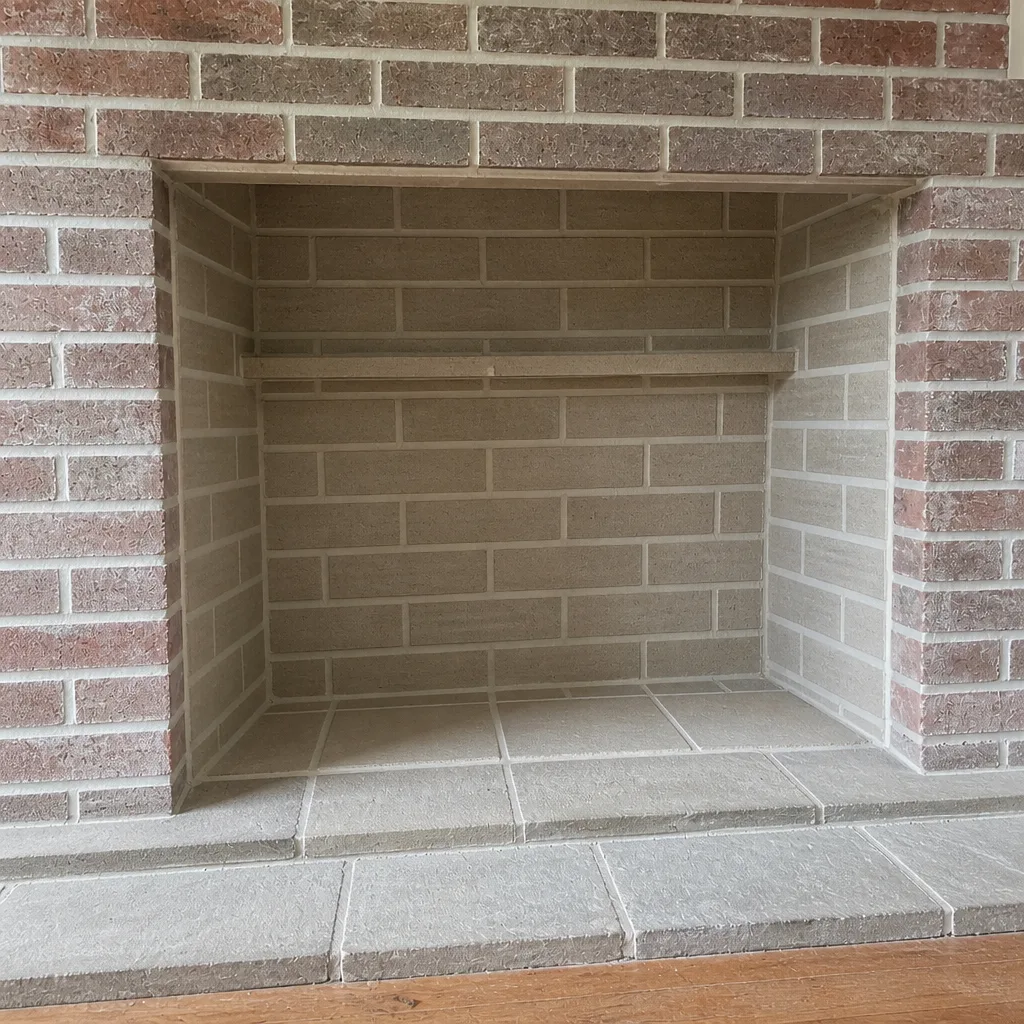
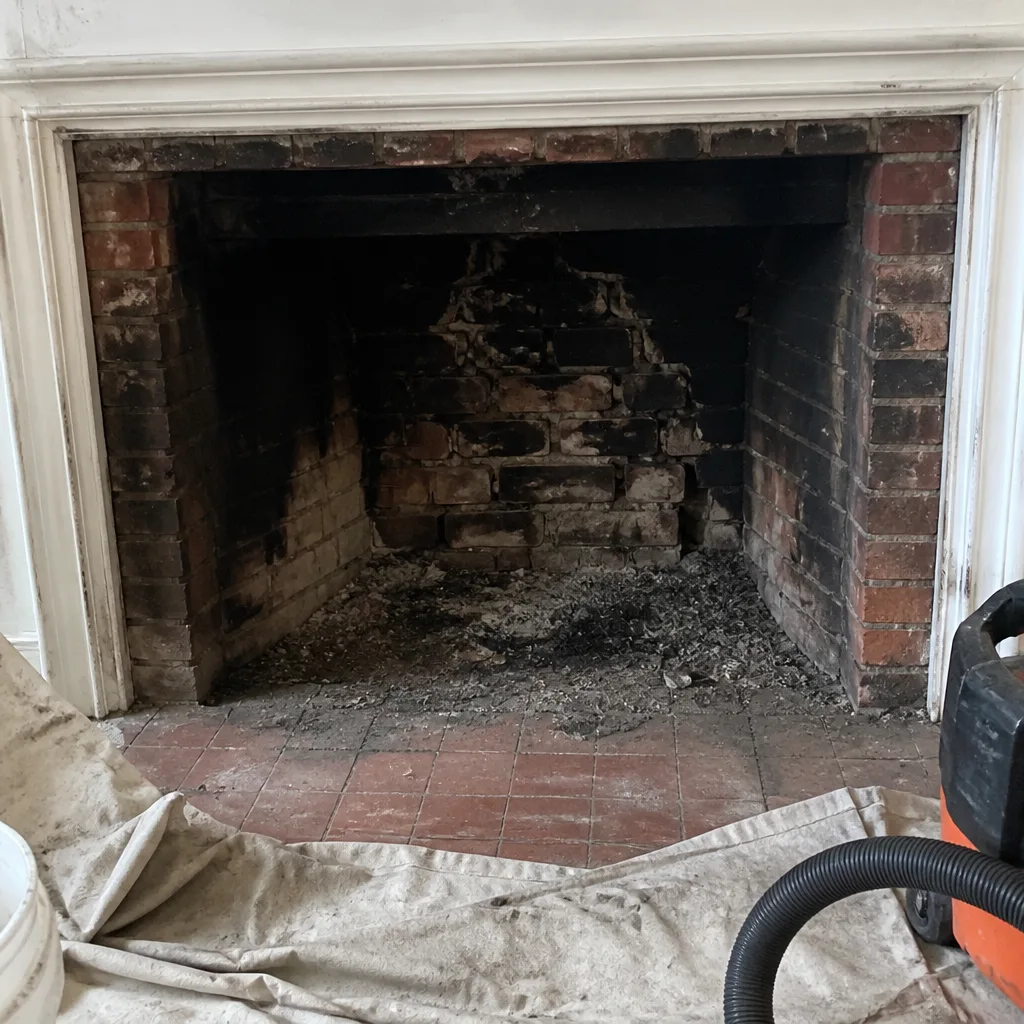
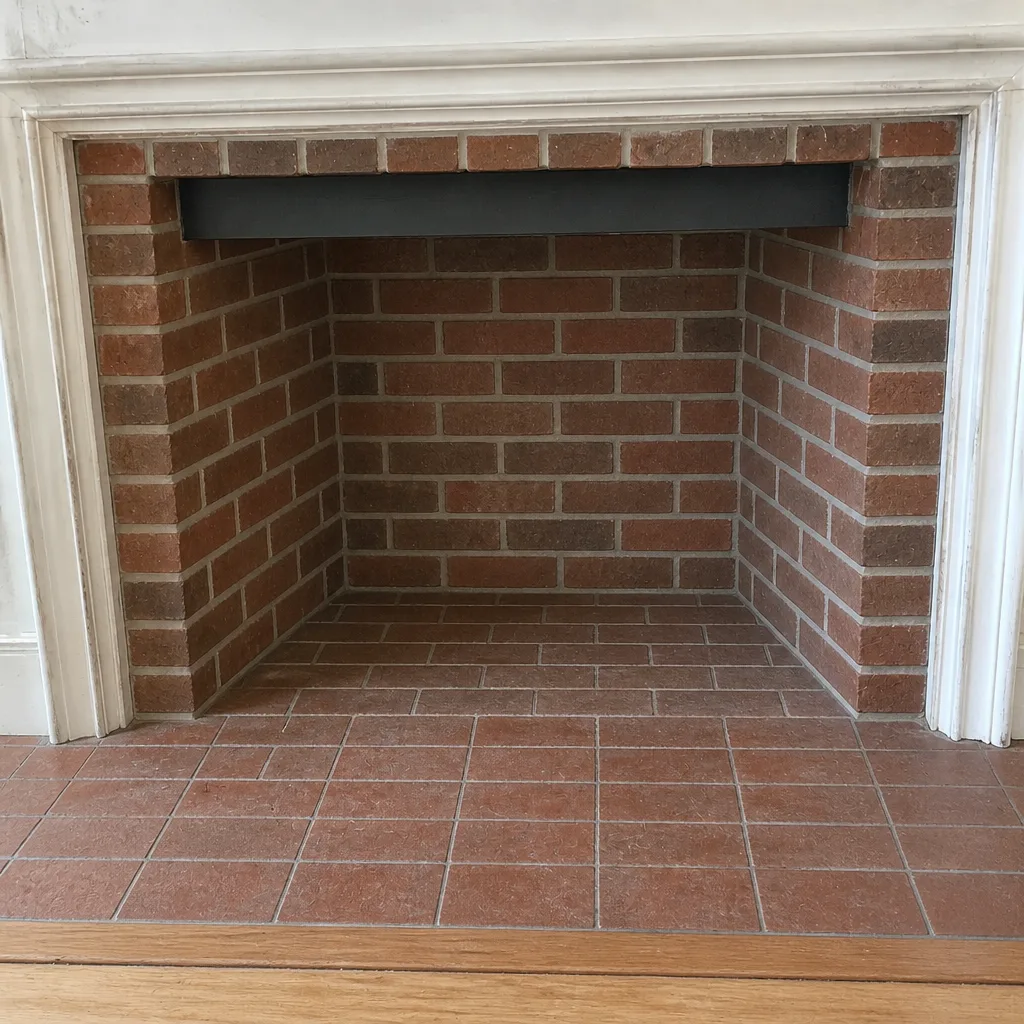
See the difference
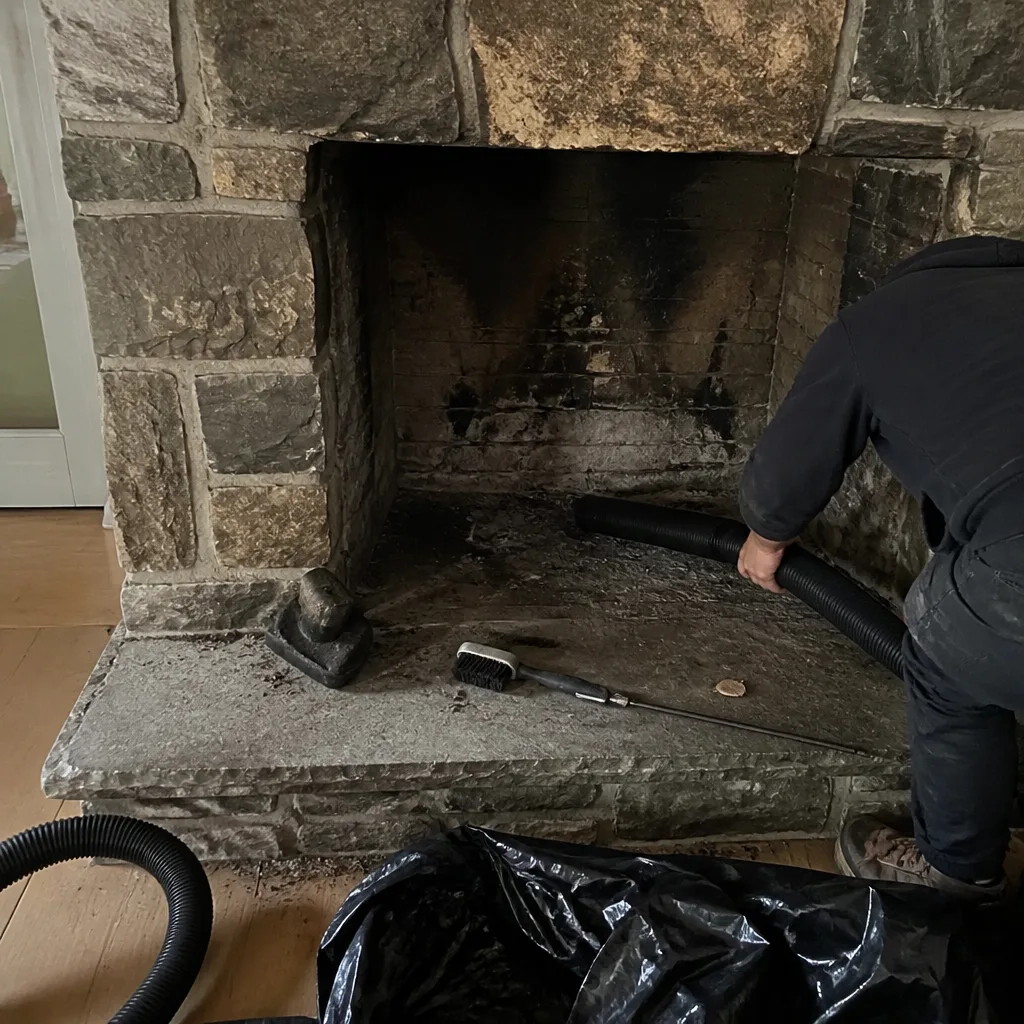 Before
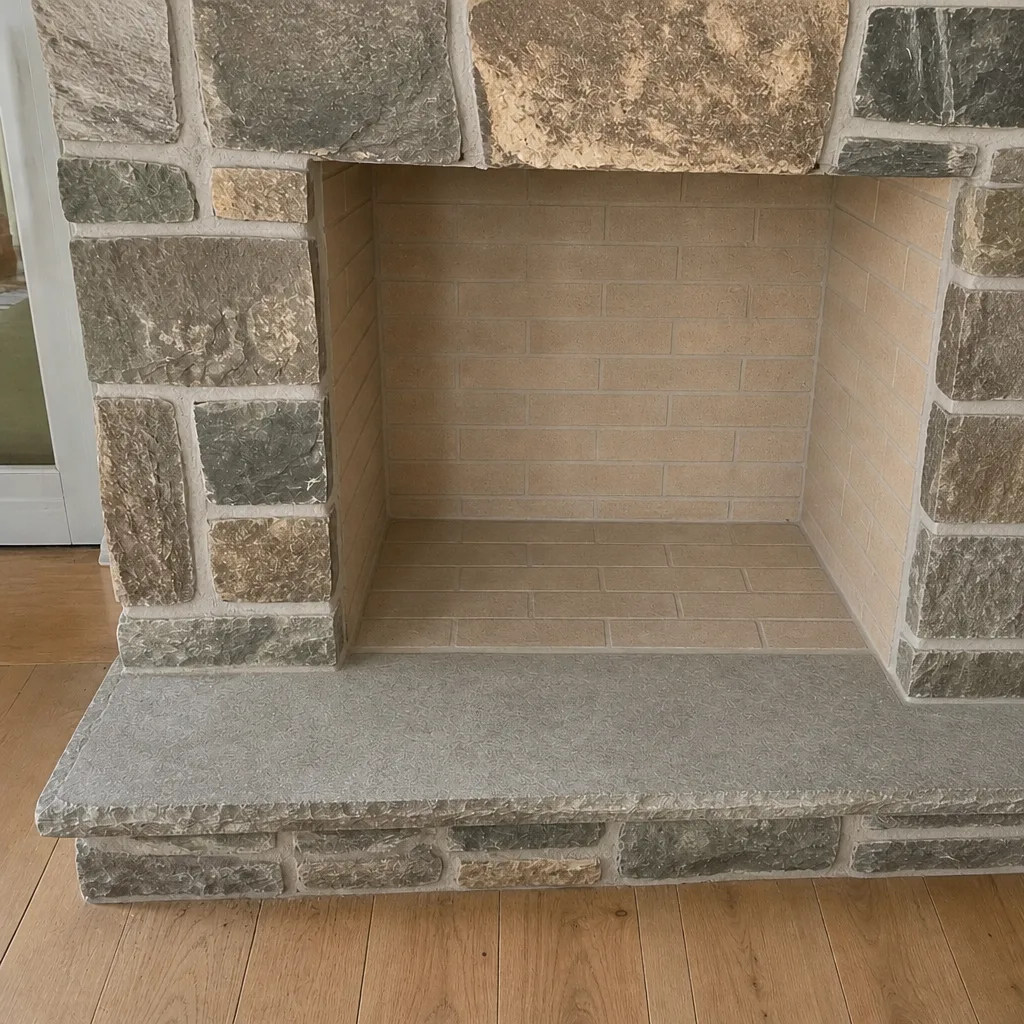 After
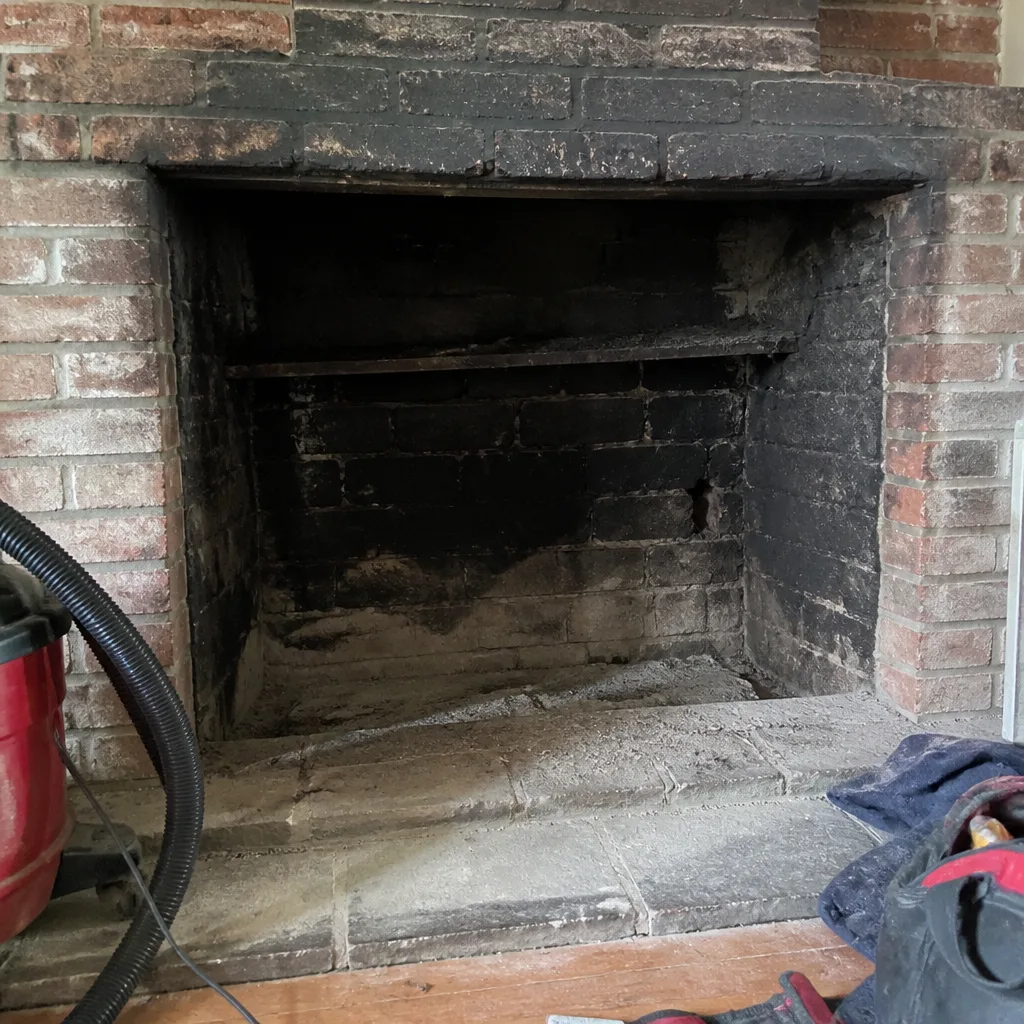 Before
 After
 Before
 After
When to Call a Professional
Call us when you’re overdue for a seasonal visit, when the last fire of the season has ended and you haven’t had a spring look, when the cap is missing or damaged, when an inspection is needed for a real-estate transaction, or when anything in the system changes – draft, smell, sound, or a fire that just won’t draw. Call when you hear something in the chimney during the summer months. Call when a gas fireplace shows moisture, soot, or a struggling pilot in mid-winter. Chimney Sweep Riverdale offers free estimates in Riverdale – call (888) 848-6804. We answer 24/7. Fast dispatch from 7am to 7pm, Sunday through Friday. If you’re the thorough type, our team has up to 13 years of experience and can walk you through the whole year-round calendar on a single visit.
Frequently Asked Questions
Most homes that burn regularly should be swept once a year, timed after summer and before first fall use. Homes that burn heavily, or burn unseasoned wood, may need a mid-winter look as well. The season’s work matters more than a fixed date, so sweep when the flue has accumulated its summer load and inspection can be done clear. Call (888) 848-6804 and we’ll book the right window for your use pattern.
A sweep and an inspection are different jobs: the sweep removes buildup, the inspection reads condition. A seasonal visit should do both, but a standalone inspection is available if you don’t need a cleaning – useful for a real-estate transaction or an overdue annual safety check. If something needs repair after the inspection, we handle it on the same visit. Call (888) 848-6804 for an exact quote – estimates are free.
The freeze-thaw damage widens through summer, and what would’ve been a crown repair in April can become a masonry job by October. Spring is when cracks are smallest and the season ahead is warm enough for repairs to set properly. Skipping it doesn’t cause an immediate failure, but it guarantees a bigger one. If the last fire ended and no one has looked at the crown, call (888) 848-6804 – estimates are free.
Yes. A gas fireplace doesn’t produce creosote, but it does vent, and blocked or damaged venting is a carbon monoxide risk. Mid-winter is when the appliance runs longest and when a small vent obstruction compounds, so an annual inspection is the minimum. Moisture, soot, or a struggling pilot should be assessed promptly, not worked around. Call (888) 848-6804 for an exact quote – estimates are free.
Water. Spring freeze-thaw opens the crown and masonry joints, summer rain gets in, and by fall the interior is compromised. The second most common is a missing, damaged, or undersized cap that lets in both water and wildlife. Both are addressed with a correctly fitted cap and crown built from professional-grade components, and both are far cheaper than a liner replacement. Call (888) 848-6804 for an exact quote – estimates are free.
Some can and some shouldn’t be forced into one day. Cap and crown work, component swaps, and many repairs are same-day when conditions allow. Full liner work or major masonry may need a scheduled follow-up, and we’ll tell you honestly if it’s safe to wait. Inspect first, then recommend – and the recommendation comes with evidence you can see. Call (888) 848-6804 for an exact quote – estimates are free.
The Bottom Line
Winter chimney failures are set up in April, not December. The four-season calendar for a Riverdale chimney is simple: catch freeze-thaw damage in spring, cap the flue before summer wildlife and water get in, clean and inspect after summer and before first use, and watch wood and gas systems alike through winter. The two jobs that carry the most weight are the spring masonry check and the post-summer sweep-and-inspect, both of which are cheaper and easier than the repairs they prevent. Do those two well, use professional-grade components when repair is needed, and winter looks after itself.
Call (888) 848-6804 for a free estimate. We answer 24/7. Fast dispatch from 7am to 7pm, Sunday through Friday.
Written by the team at Chimney Sweep Riverdale.