
Last updated November 25, 2026
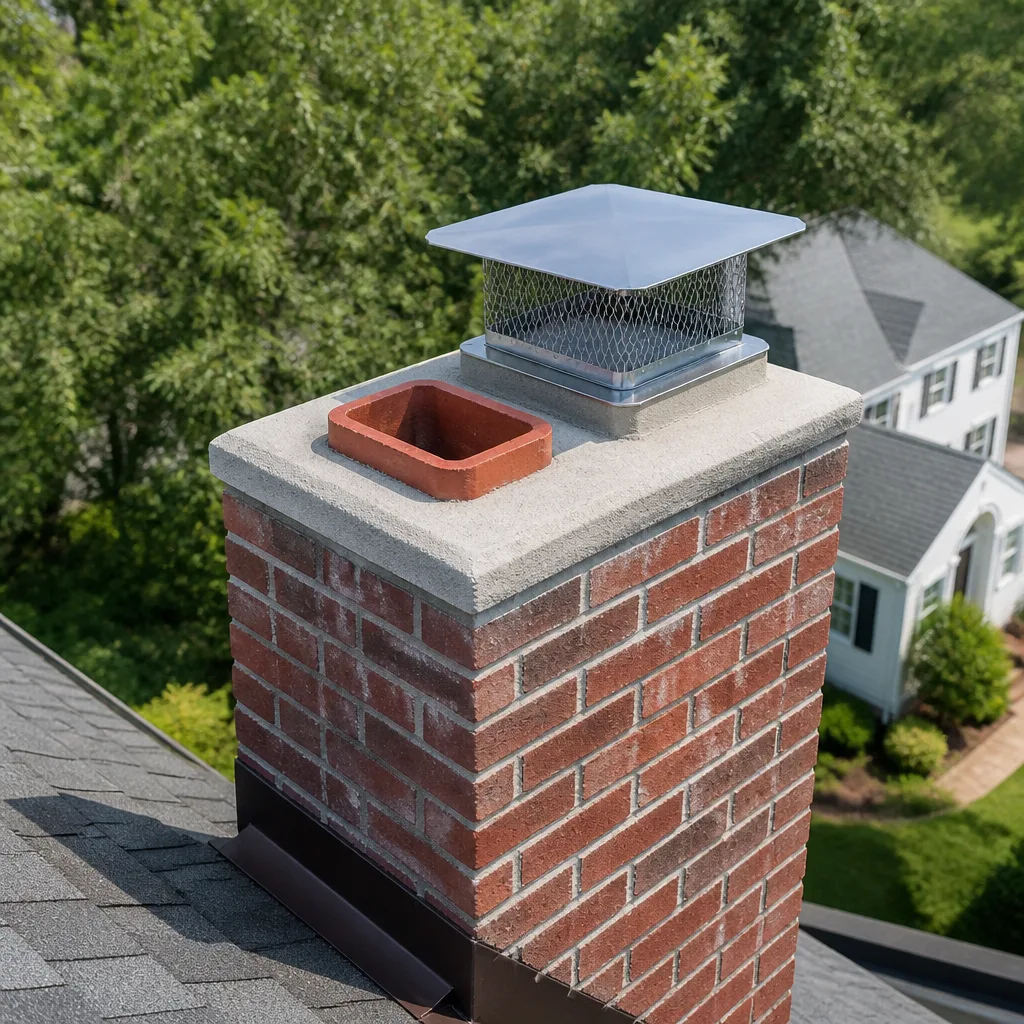 Sweep & inspection
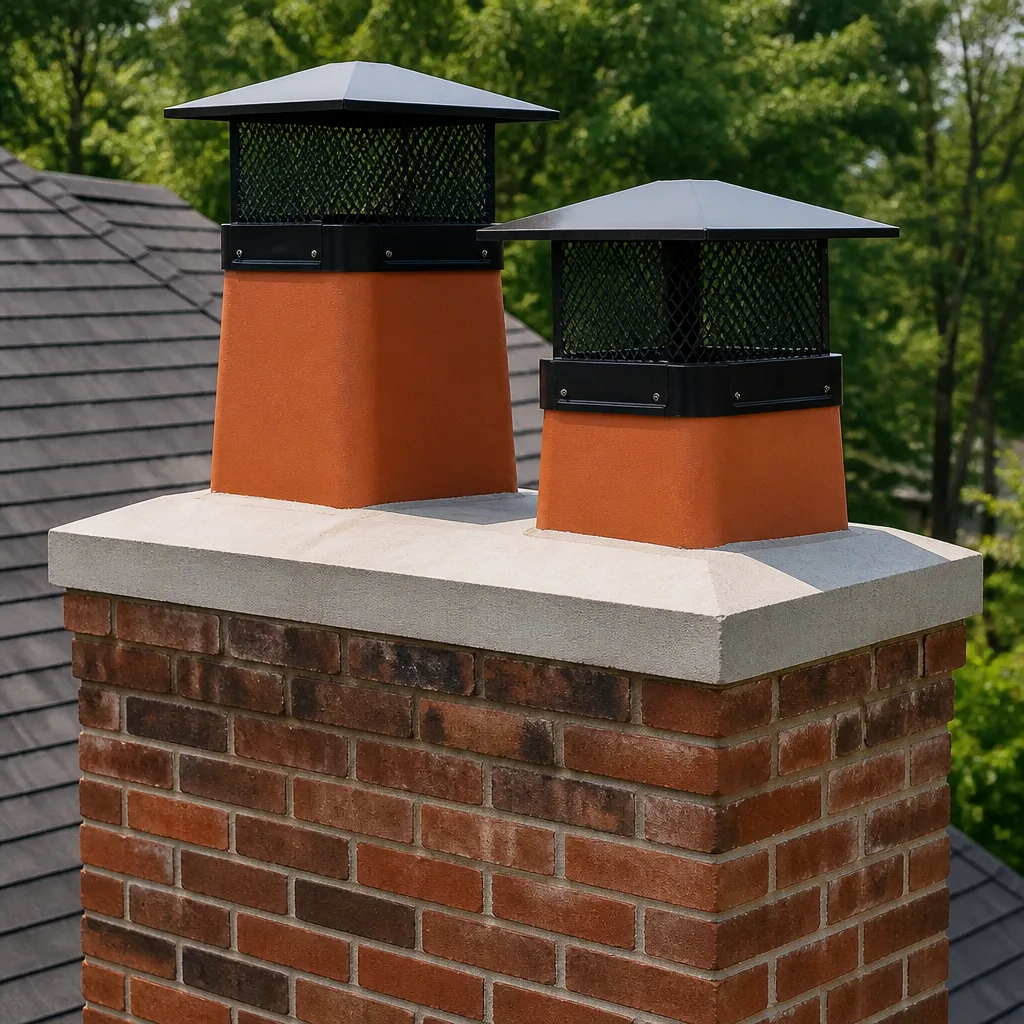 Caps & crowns
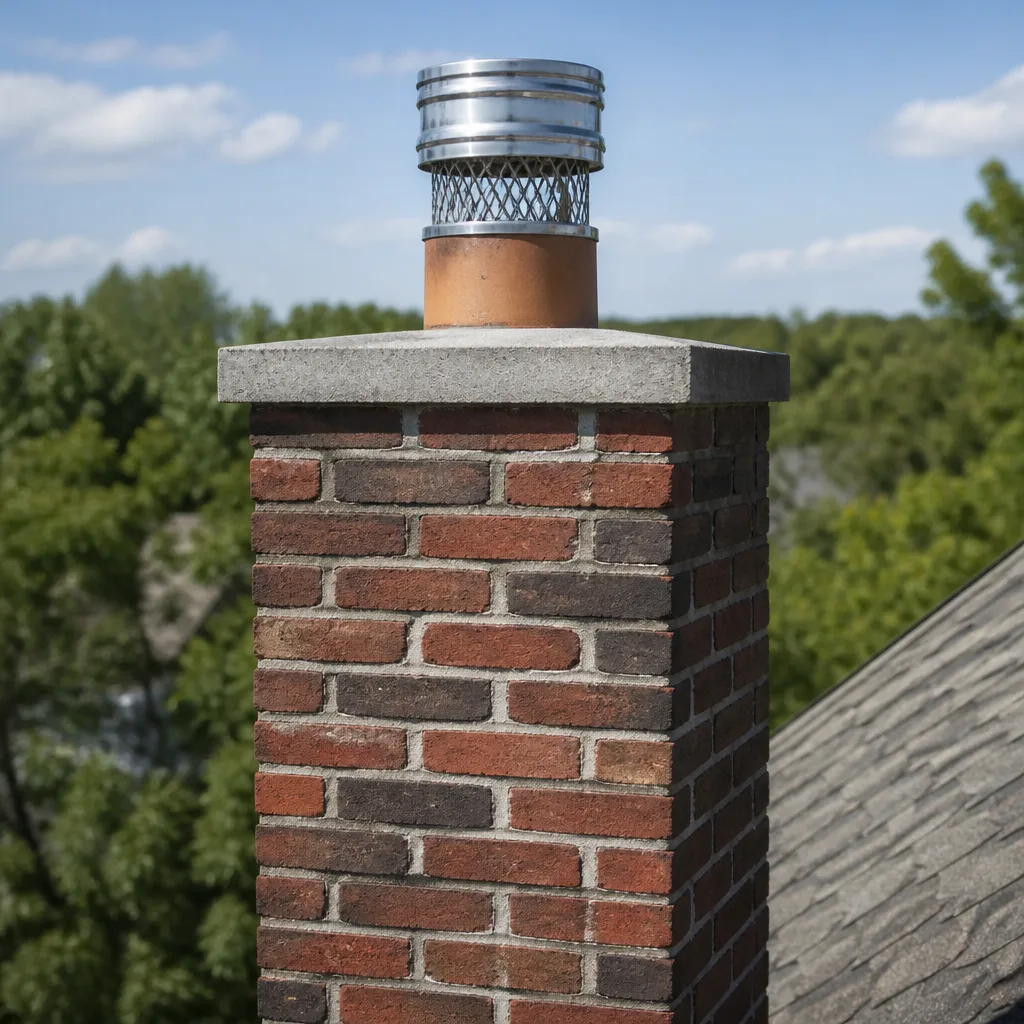 Flue relining
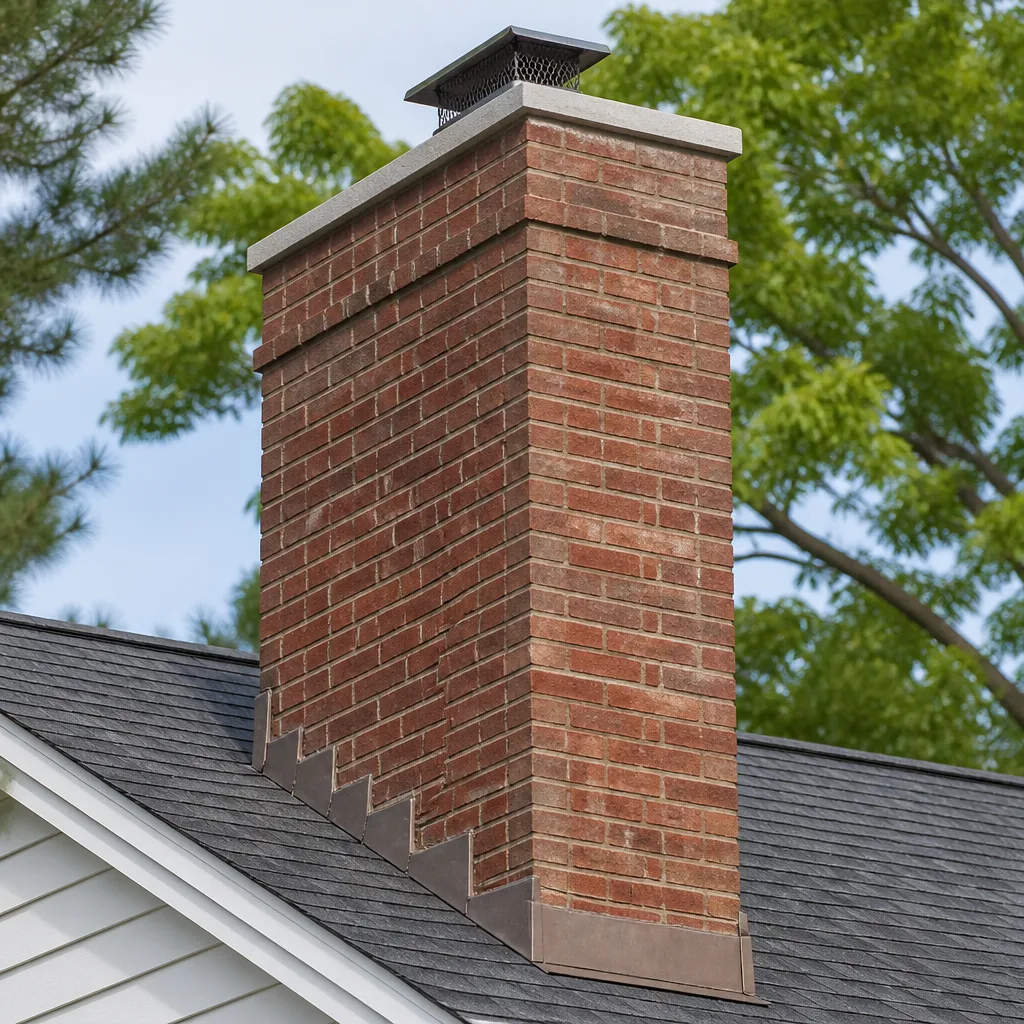 Masonry repair
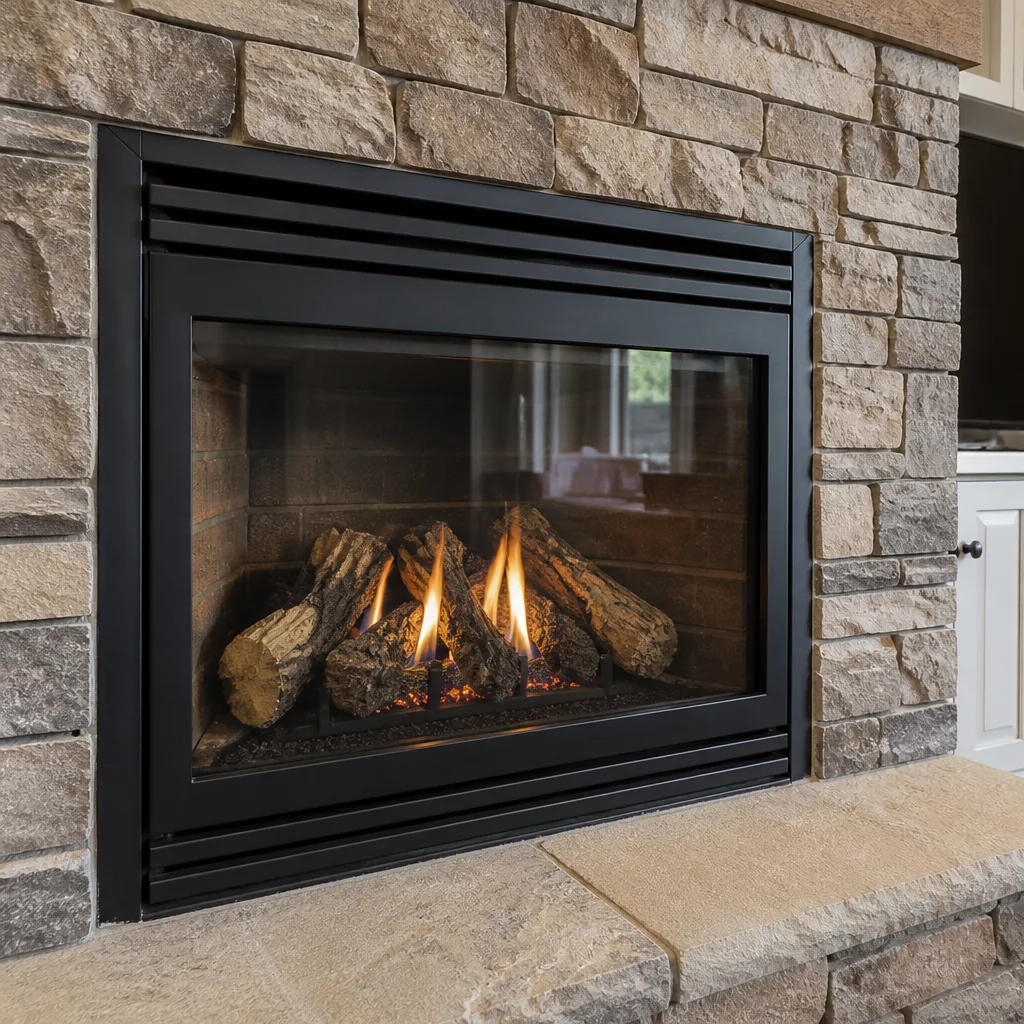 Gas fireplace service
Level 1 sweep and inspection to the NFPA 211 annual standard - flue, crown, cap, and flashing checked and photographed
Chimney sweep logs do not sweep chimneys. They loosen some creosote - which then falls where a brush and vacuum still have to collect it.
Chimney Cleaning Warning Signs: A Riverdale Homeowner’s Reference Guide
A white stain on the exterior of a Riverdale chimney isn’t cosmetic. It’s efflorescence, and it means water is moving through the masonry right now. Every freeze cycle that water goes through pushes the mortar joints a little further apart, and the failure runs on a known timeline from there. The same is true of most chimney warning signs: they’re readable by any homeowner, but easy to wave off as minor when they’re actually early indicators of a specific structural or safety problem with a predictable progression. This guide walks through each sign, what’s happening inside the system when you see it, and how urgently it needs attention.
Quick Answer
The most common chimney cleaning warning signs in Riverdale are white staining or crumbling mortar on the exterior, a smoky or acrid odor from the firebox, smoke spilling into the room instead of drafting up, a damper that feels stiff or won’t seat, and visible damage to the cap or crown. Each one points to a specific condition inside the flue or masonry, and severity ranges from “note it for the annual sweep” to “stop using the fireplace now.” Interior signs point to draft, soot and moisture problems; exterior signs point to water intrusion and structural decay.
Styles & brands we work with
- Sweep & inspection
- Caps & crowns
- Flue relining
- Masonry repair
- Gas fireplace service
Table of Contents
- Why a “working” fireplace can still be unsafe
- Interior warning signs: odor, smoke, and damper feel
- Exterior warning signs: staining, spalling, flashing, and cap damage
- Warning signs specific to gas-converted fireplaces in Riverdale
- Severity ratings: what can wait and what can’t
- How a diagnostic inspection actually works
- What to check and when across the year
- Common mistakes to avoid
- When to call a professional
- Frequently asked questions
Why a “Working” Fireplace Can Still Be Unsafe
Function and safety are two different measurements in a chimney system, and Riverdale homeowners conflate them constantly. A fireplace that lights, burns, and produces heat is functioning. That says nothing about whether the flue is sound, whether the liner has a crack, whether creosote has built up to a dangerous depth, or whether the crown is shedding water into the masonry. A chimney can do all of those things wrong and still draw a fire.
In our experience, this is the single most common reason warning signs get ignored for a season or more. The fire burns. The smoke goes up. Nothing feels broken. Meanwhile, three separate indicators can be present at once: a faint creosote smell, a hairline crack visible from the roof, and a damper that no longer seals tight. Each represents a different failure mode.
What function doesn’t tell you
- Draft quality: A fire can pull adequately on a mild day and spill smoke in cold, windy weather when the flue is partially obstructed.
- Creosote depth: Glazed, third-degree creosote is invisible from the firebox and burns hot once it ignites.
- Liner integrity: A cracked liner behind the masonry won’t change how the fire looks, but it lets heat and gases reach combustible framing.
- Moisture path: Water moving through brick and mortar from a failed crown or flashing won’t affect the fire until the damage is advanced.
This is the argument for inspecting first, then recommending. A chimney sweep and inspection in Riverdale starts with a camera look at the actual condition of the flue, not with a guess based on how the fire behaved last winter. The signs below are what you can read on your own before that appointment.
Interior Warning Signs: Odor, Smoke, and Damper Feel
Interior signs are the ones you notice from the living room, and they cluster around three things: how the chimney smells, how smoke behaves, and how the damper feels under your hand. Each points to a different part of the system.
Odor types and what they indicate
The smell in a firebox is diagnostic, and homeowners tend to describe it vaguely. Here’s what each type usually means.
- Sharp, acrid creosote smell: Particularly strong in warm, humid weather or when a draft reverses. Indicates creosote accumulation in the flue, often combined with a weak draft in summer. Early indicator of a flue that needs sweeping.
- Musty, damp odor: Water is present in the firebox or flue. Usually traces back to a failed crown, failed flashing, or a missing or damaged cap allowing rain in. Early indicator of masonry moisture damage.
- Smoke smell that lingers long after the fire is out: The flue isn’t clearing fully, which points to obstruction, a damaged liner disrupting draft, or a flue that’s undersized for the firebox opening.
- Chemical or exhaust-like odor from a gas-set fireplace: Combustion byproducts aren’t venting properly. This is the most urgent odor on the list for gas logs.
Smoke behavior
Smoke rolling into the room instead of up the flue, smoke escaping from the top of the firebox into the room even after the fire is established, or a fire that’s hard to start and smokes heavily for the first several minutes all point to draft problems. Causes include a partially blocked flue, a closed or partially closed damper, a flue that’s too large for the firebox, negative pressure in the house, or a cold flue that needs warming. In Riverdale homes with older masonry fireboxes and newer tight-fitting windows and doors, the negative pressure explanation is frequent.
Damper feel
A damper should move smoothly and seat flat. A damper that sticks, grinds, won’t fully open, or won’t seat flat when closed signals either a mechanical damper problem or warpage from heat. A damper that won’t close means heat loss all winter and a draft path for cold air, smoke smell, and pests in summer. A damper that won’t open fully restricts draft and drives smoke back into the room.
Exterior Warning Signs: Staining, Spalling, Flashing, and Cap Damage
Exterior signs are structural. They tell you what water and freeze cycles are doing to the masonry, and they tend to progress in a predictable order: staining first, then spalling, then mortar joint failure, then larger structural movement. The exterior of a Riverdale chimney is exposed to the freeze-thaw cycle of the region’s winters, which is why these signs accelerate once they begin.
White staining (efflorescence)
A white, powdery bloom on brick is efflorescence, and it means water is dissolving minerals inside the masonry and depositing them on the surface as it evaporates. Efflorescence itself is harmless to touch. What it reports is that moisture is moving through the structure, which is the precondition for spalling and mortar failure. It’s the earliest exterior sign, and the one most often dismissed as cosmetic.
Spalling brick and crumbling mortar
Spalling is brick face flaking off, sometimes down to the interior of the brick. It happens when trapped moisture freezes and expands inside the brick, pushing the face off. Crumbling mortar joints, sometimes called mortar recession, means the joints are eroding and the brick courses are loosening their grip. Both are advanced water-damage stages, and both worsen every winter. Spalled brick and recessed joints point to a crown or flashing failure that should be corrected before the next freeze.
Flashing gaps
Flashing is the metal seal where the chimney meets the roof. When it pulls away, rusts through, or was installed poorly, water runs directly into the roof deck and the top of the chimney structure. You can often see the gap from the ground with binoculars, or from the roof at a safe vantage point without climbing. A gap is a direct water entry point, and it’s often the cause behind interior damp odors and firebox rust.
Cap and crown damage
The crown is the concrete or masonry cap at the very top of the chimney that sheds water away from the flue. When it cracks or separates from the flue, water runs straight down inside the chimney structure. A missing or damaged cap lets rain, snow, and wildlife into the flue directly. Cap and crown damage is the most common source of water intrusion in Riverdale chimneys, and it’s a repair many sweep-only services don’t handle at all. Our chimney cap & crown work uses Gelco and Famco components specifically because they hold up to the local freeze-thaw cycle.
Warning Signs Specific to Gas-Converted Fireplaces in Riverdale
A lot of Riverdale homes have converted a wood-burning fireplace to gas logs, and the warning signs for a gas system are different from wood-burning ones. If you’ve made the conversion, the indicators to watch change completely.
What to watch for in a gas-converted fireplace
- Lazy, orange, or lifting flame: A healthy gas log flame is blue at the base and yellow-orange at the tips, steady. A flame that lifts off the burner, burns mostly orange and lazy, or shows a lot of yellow soot at the tips is a sign of incomplete combustion or venting issues. Urgent.
- Soot on the logs or firebox walls: Gas logs should burn clean. Soot buildup means combustion is off, either from improper log placement or from blocked venting. Urgent.
- Excess moisture on the firebox glass or walls: Gas combustion produces water vapor. Heavy condensation that doesn’t clear points to a venting problem. Moderate concern, worth a check.
- No draft at the damper: A gas log set still needs a functioning flue and an open damper unless it’s a vent-free unit. A blocked or damaged flue is a carbon monoxide path, not just a smoke problem. Urgent.
- Any chemical smell, headache, or dizziness when the fireplace runs: Stop using it immediately and have the venting inspected. This is a carbon monoxide concern.
A wood-burning chimney that’s overdue for a sweep shows it through creosote smell and smoke behavior. A gas system can show almost nothing until combustion quality changes. That’s why we recommend inspecting the flue of a gas-converted fireplace on the same schedule as a wood one, even though there’s no creosote load to sweep. The chimney repair and inspection side of this matters more than the sweep for gas systems.
Severity Ratings: What Can Wait and What Can’t
Not every warning sign is a reason to stop using the fireplace. Some are a note for the next annual sweep. Some mean stop now. Here’s how we sort them.
Stop using the fireplace now
- Smoke rolling into the room consistently, not just on a cold start
- Any carbon monoxide alarm sounding when the fireplace is on, or headache/dizziness symptoms afterward
- A visible crack in the firebox masonry, a gap in the flue liner, or visible heat damage to surrounding framing
- Gas log flame lifting off the burner, heavy soot on logs, or a chemical smell when the fireplace runs
- Creosote visible at a depth that looks glazed or like tar on the flue walls (a technician confirms with a camera; you can sometimes see this at the top of the firebox)
Address at the next appointment, before the burning season
- Efflorescence on the exterior masonry, no spalling yet
- Sticking damper that still seals when closed
- Mild, occasional smoke smell in the house when the fireplace isn’t in use
- Loose cap that’s still in place
- Mortar joints that show early recession but no brick movement
Monitor through the season, verify at the annual inspection
- Faint creosote smell in warm weather, if the flue was swept within the last season
- Slow hard starts on cold mornings
- Light, cosmetic staining on the firebox brick
- Minor damper stiffness that doesn’t affect function
Anything on the first list means a call today. Anything on the second means scheduling a sweep and inspection before the next burn. The distinction matters because the second list is where most homeowners wait too long, and a sign from that list becomes a sign from the first list over one or two winters.
How a Diagnostic Inspection Actually Works
An inspection isn’t a sweep with a look down the flue. It’s a systematic read of every layer of the chimney system. Here’s the sequence we follow on a Riverdale inspection.
- Exterior visual from the roof and ground: Crown, cap, flashing, mortar joints, brick faces, and the top of the flue are all checked. This is where exterior warning signs get confirmed and measured.
- Firebox and damper check: Damper operation, firebox masonry, and the smoke chamber are inspected for cracks, heat damage, and gaps.
- Camera inspection of the flue: A camera run through the full length of the flue shows the liner condition, creosote depth, obstructions, and any breaches. This is the step most homeowners want, because it’s the one that verifies what the technician is telling them.
- Draft test: A draft check confirms the flue is pulling adequately under current conditions.
- Report with photos: You get a written summary with the camera photos, the diagnoses, and the recommended repairs with priorities.
Nothing gets recommended without camera evidence you can look at yourself. When the flue is in good shape and the warning signs are cosmetic, we say so and tell you what to watch. When a repair is needed, we specify the right product for the condition: DuraFlex or Olympia Chimney for a full liner replacement, HeatShield liner resurfacing when the flue is a candidate for in-place repair. The decision comes from the camera, not from what a technician happened to load.
What to Check and When Across the Year
The signs above progress on a seasonal clock, and Riverdale’s freeze cycles are the accelerator. Here’s how to space your own checks through the year.
- Late summer / early fall, before the first burn: Visual exterior check from the ground with binoculars, damper operation test by hand, cap inspection from a safe vantage, and a scheduled sweep and inspection if it’s been more than a year.
- After the first few fires: Watch smoke behavior at cold start and confirm the firebox clears quickly once the flue warms. Note any unusual odor.
- Mid-winter: Check the firebox for new staining, confirm the damper still seats, and watch for draft weakness on windy days. If anything on the “stop now” list appears, stop burning.
- Early spring, after the last fire: Post-winter exterior check is the most important of the year. Freeze cycles during the winter are when spalling and flashing gaps show up. Look specifically for new white staining, new brick face loss, and any change to the crown.
- Summer: The warm, humid months are when creosote smell is most noticeable, and when damp odors from cap or crown failures are easiest to detect. A summer inspection catches water intrusion before freezing weather.
The sweep itself is usually best scheduled before the burning season. That gives you time to address what the inspection finds without a scramble, and it starts the season with a clean flue. The best read on your system comes from an inspection first, a sweep second, and repairs scheduled to the findings.
Common Mistakes to Avoid
- Treating efflorescence as cosmetic. A white stain on Riverdale masonry isn’t a stain. It’s a report that water is moving through the brick, and every freeze cycle from here makes the next repair more expensive.
- Assuming a working fire means a safe flue. A fire that burns cleanly tells you nothing about liner cracks, creosote depth, or framing exposure. The annual inspection is the measurement, not the fire.
- Skipping the inspection because the sweep is “done.” A sweep cleans. It doesn’t diagnose. Skipping the inspection leaves the structural and safety side of the system unread for another year.
- Putting a hardware-store cap on a damaged crown. A cap on a failed crown traps the moisture problem underneath it. The crown has to be corrected first, and that’s a job for Famco or Gelco components installed correctly, not a drop-in cap.
- Ignoring gas log warning signs because “there’s no creosote.” A gas-converted fireplace has no creosote load, but it has just as much need for a sound flue. Soot, lazy flame, and moisture all point to venting problems that matter more than creosote.
- Using heat-rated caulk or masonry paint to “fix” spalling. Coating the outside of deteriorated brick keeps moisture inside the masonry instead of letting it evaporate. The failure continues underneath the coating.
- Waiting until the first cold snap to schedule. Every Riverdale homeowner calls at the same time when the first cold front arrives. The system that gets inspected in October is the one that’s ready for the burning season.
When to Call a Professional
Call a professional if you see any sign from the “stop now” list, if you’re not sure which list a sign belongs on, or if it’s been more than a year since your last inspection. Call before the burn if the fire is spilling smoke, if the damper won’t close, if you smell chemical exhaust from gas logs, or if there’s visible damage to the crown or cap. Call before the winter if the exterior shows new efflorescence or mortar recession, and call for a standalone inspection if you’re buying or selling a Riverdale home and need a formal read on the system.
Chimney Sweep Riverdale offers free estimates in Riverdale. Call (888) 848-6804. We answer 24/7. Fast dispatch from 7am to 7pm, Sunday through Friday. Our technicians have up to 13 years of experience, and we work across the full chimney system from the firebox to the cap with DuraFlex, HeatShield, Olympia Chimney, Famco, and Copperfield components. One visit to sweep, inspect, and repair if needed. Inspect first, then recommend.
Frequently Asked Questions
White staining on the exterior masonry, called efflorescence, is the most common warning sign we see on Riverdale chimneys. It means water is moving through the brick, and it’s the earliest exterior sign of a moisture problem that will progress to spalling and mortar failure if it’s not corrected. If you see it, the crown and flashing should be checked before the next freeze. Call (888) 848-6804 for an inspection.
Yes. A fireplace can light, burn, and produce heat while three or four warning signs are present at the same time. Function and safety are separate measurements. The fire doesn’t need to fail for the flue to have a crack, the crown to be leaking, and the creosote to be at an unsafe depth. That’s the case for inspection first, then a recommendation based on what the camera finds. Call (888) 848-6804 to schedule.
Yes, and they matter more per sign. Gas logs don’t produce creosote, so the creosote smell and soot buildup signs you’d watch for on a wood fireplace don’t apply. Instead, watch for a lazy or lifting flame, soot on the logs, excess moisture on the firebox walls, and any chemical or exhaust smell when the fireplace runs. Those point to incomplete combustion or venting problems, which is a carbon monoxide concern. Call (888) 848-6804 if you see any of them.
Yes, in the sense that it’s the earliest warning sign of a moisture problem that will get worse. A little efflorescence is much easier and less expensive to fix now than a spalled brick face and receded mortar joints two or three winters from now. The right move is an inspection of the crown, cap, and flashing before the next freeze. Call (888) 848-6804 for a free estimate.
Once a year is the standard, and it’s the gold standard for catching the warning signs above before they become repairs. Sweeping frequency depends on how much you burn, but the annual inspection should happen regardless of whether the sweep is due. The inspection is how the exterior, firebox, flue, and draft all get read in one sitting. Call (888) 848-6804 to book an inspection as a standalone service or combined with a sweep.
It usually gets noticeably worse, because freeze-thaw acceleration is the accelerator on every exterior sign. A little efflorescence turns into spalling brick and receded mortar. A slight flashing gap turns into a rotted roof deck and stained ceilings inside the house. Interior signs like creosote depth and draft weakness don’t always worsen as visibly, but the fire risk from a glazed flue rises as the layer thickens. The cost of a correcting repair climbs with each winter. Call (888) 848-6804 to schedule now.
The Bottom Line
Chimney warning signs aren’t a mystery if you know what each one is reporting. Efflorescence means water is moving through the masonry. Spalling means freeze cycles have started breaking the brick face. A damper that won’t seal means a heat loss path and an air exchange you don’t want. Odor and smoke behavior tell you what’s happening in the flue. Gas-converted fireplaces have their own warning sign set, mostly around combustion quality. The one mistake that turns a minor sign into a major repair is waiting a winter to see if it gets worse. It will, and the fix will cost more. If any sign on this guide looks familiar on your Riverdale chimney, a diagnostic Chimney Sweep Riverdale inspection is the next step, and it will give you a camera-verified read on the whole system before you spend a dollar on repairs.
Written by the team at Chimney Sweep Riverdale.
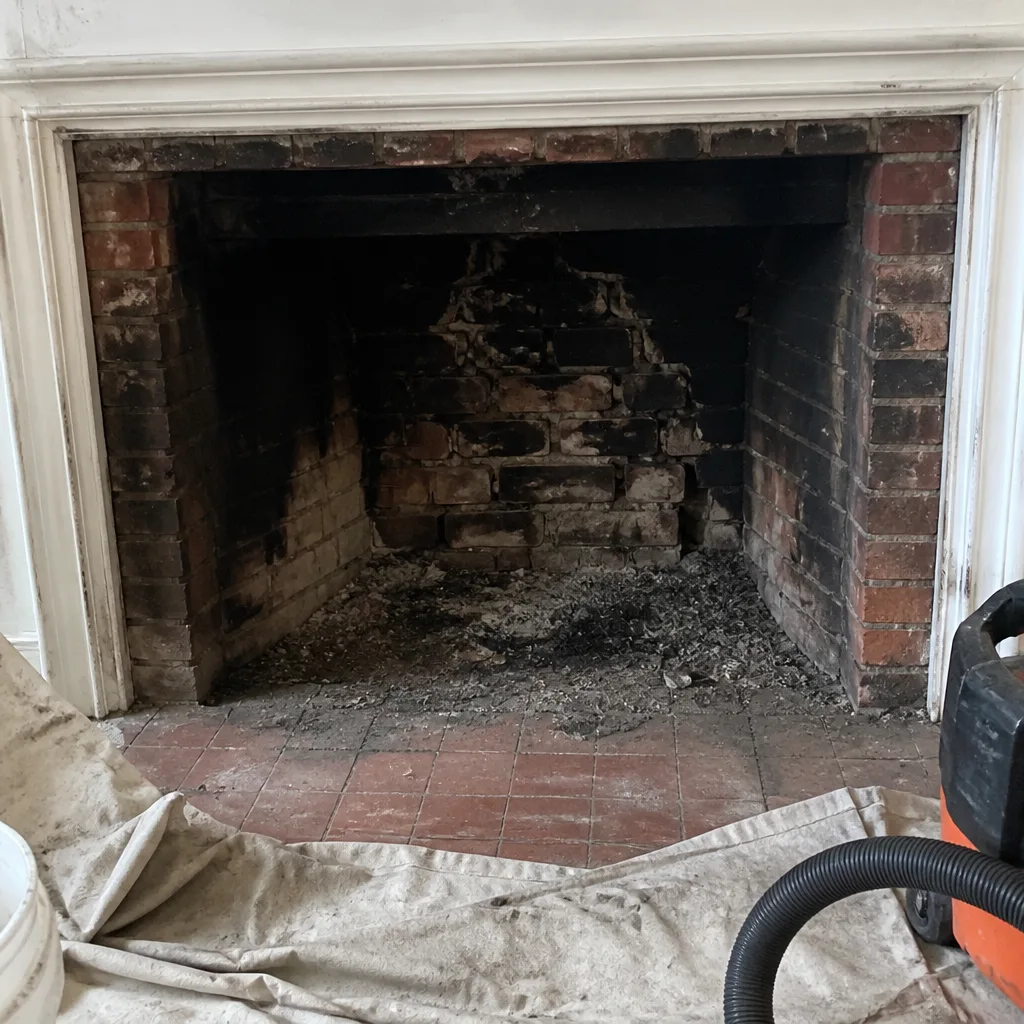
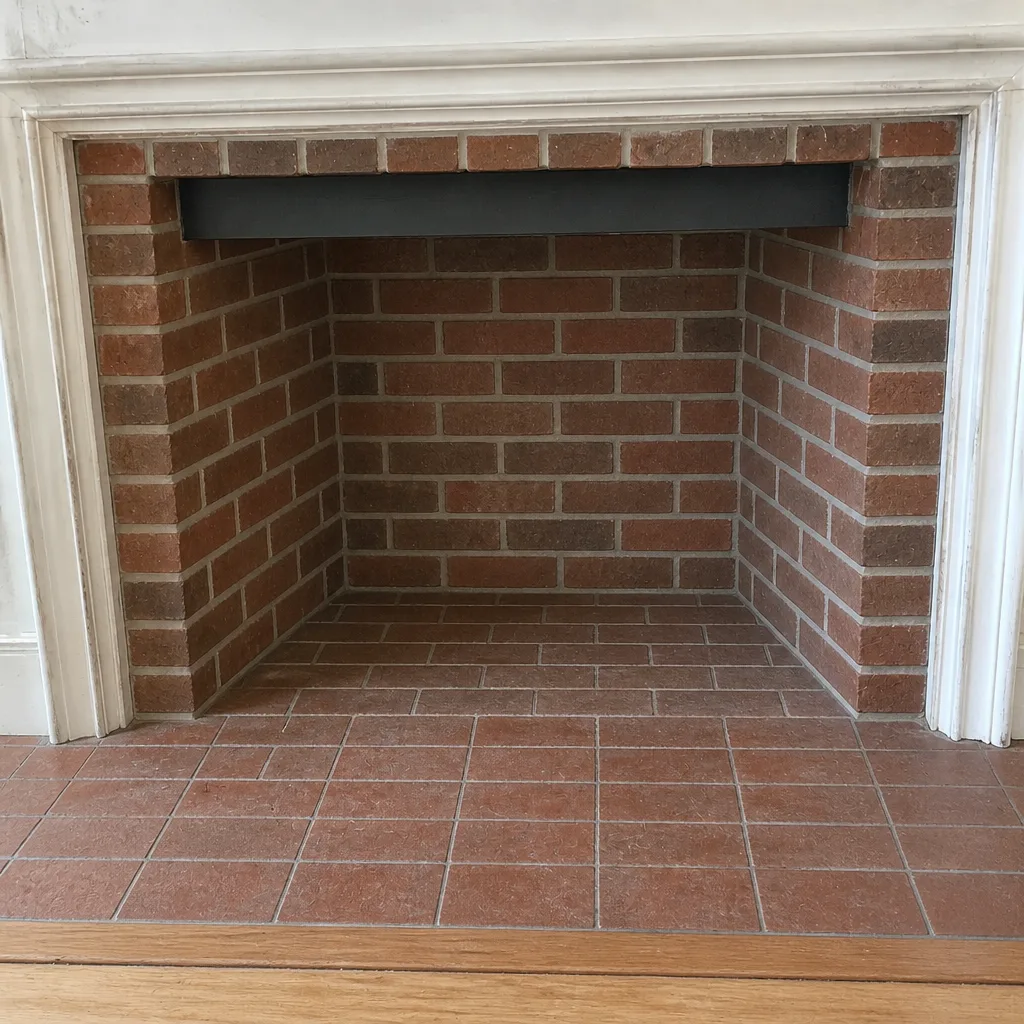
See the difference
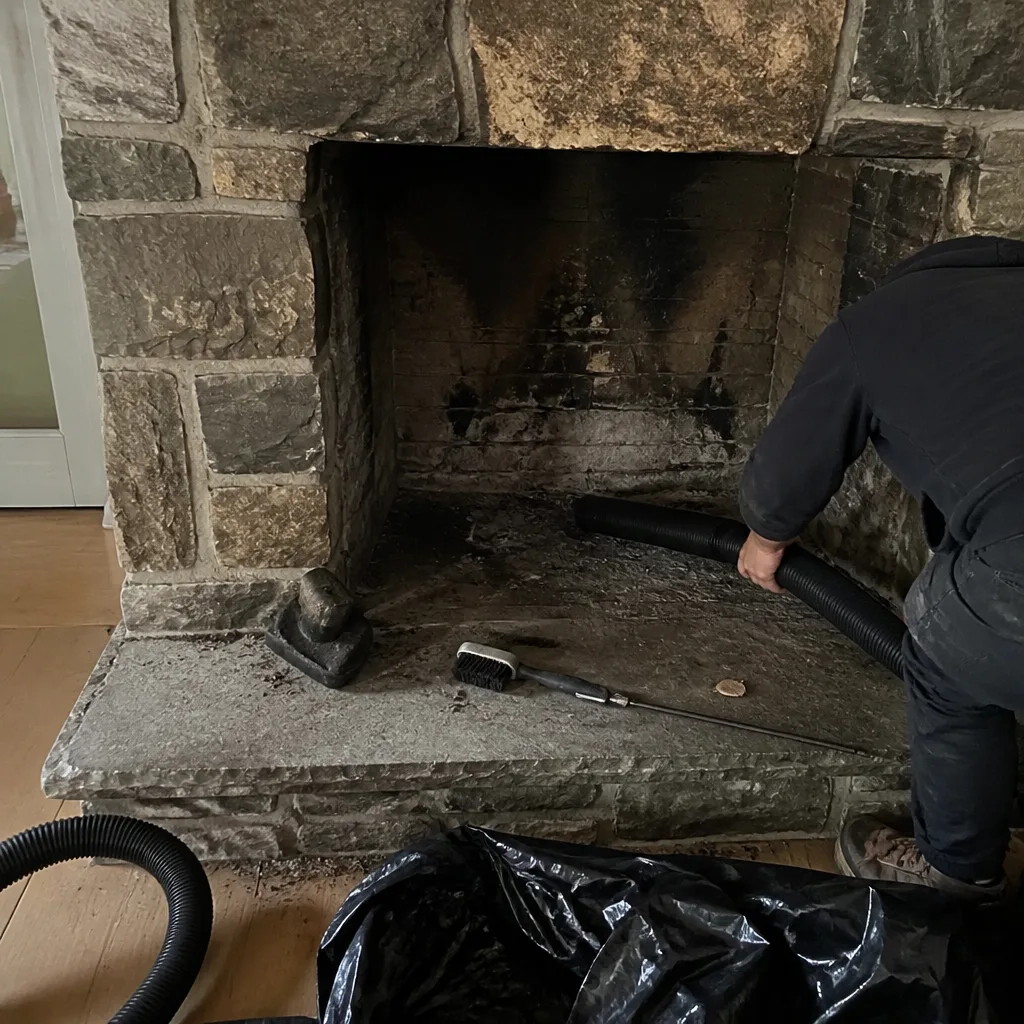 Before
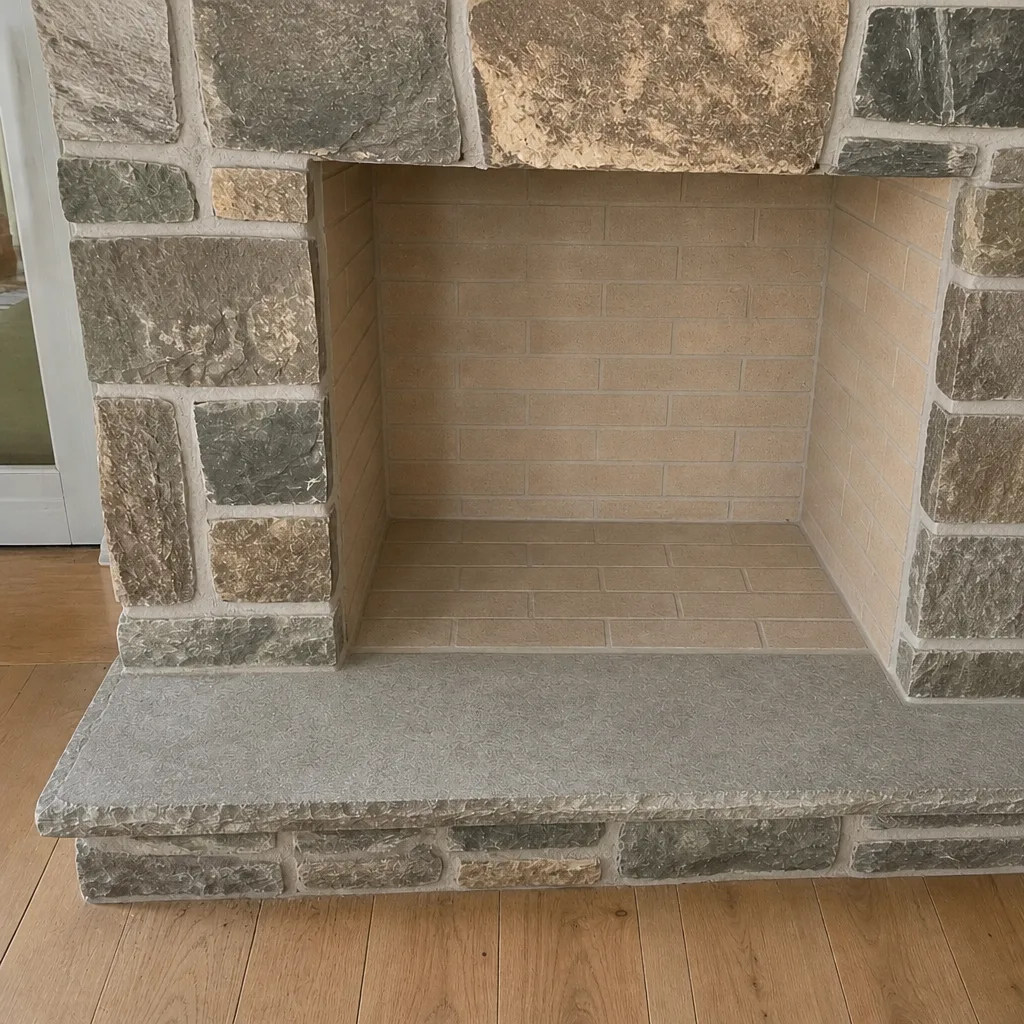 After
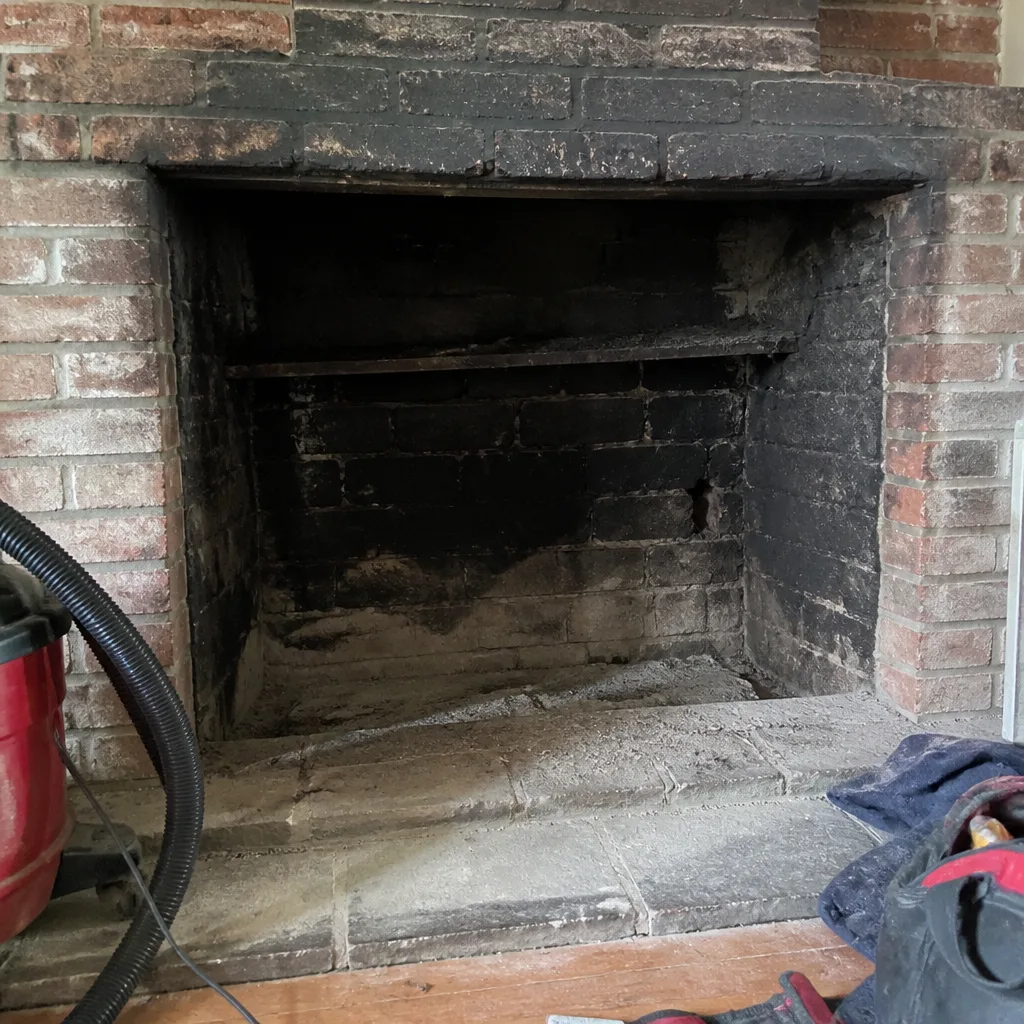 Before
 After
 Before
 After