
Last updated November 25, 2026
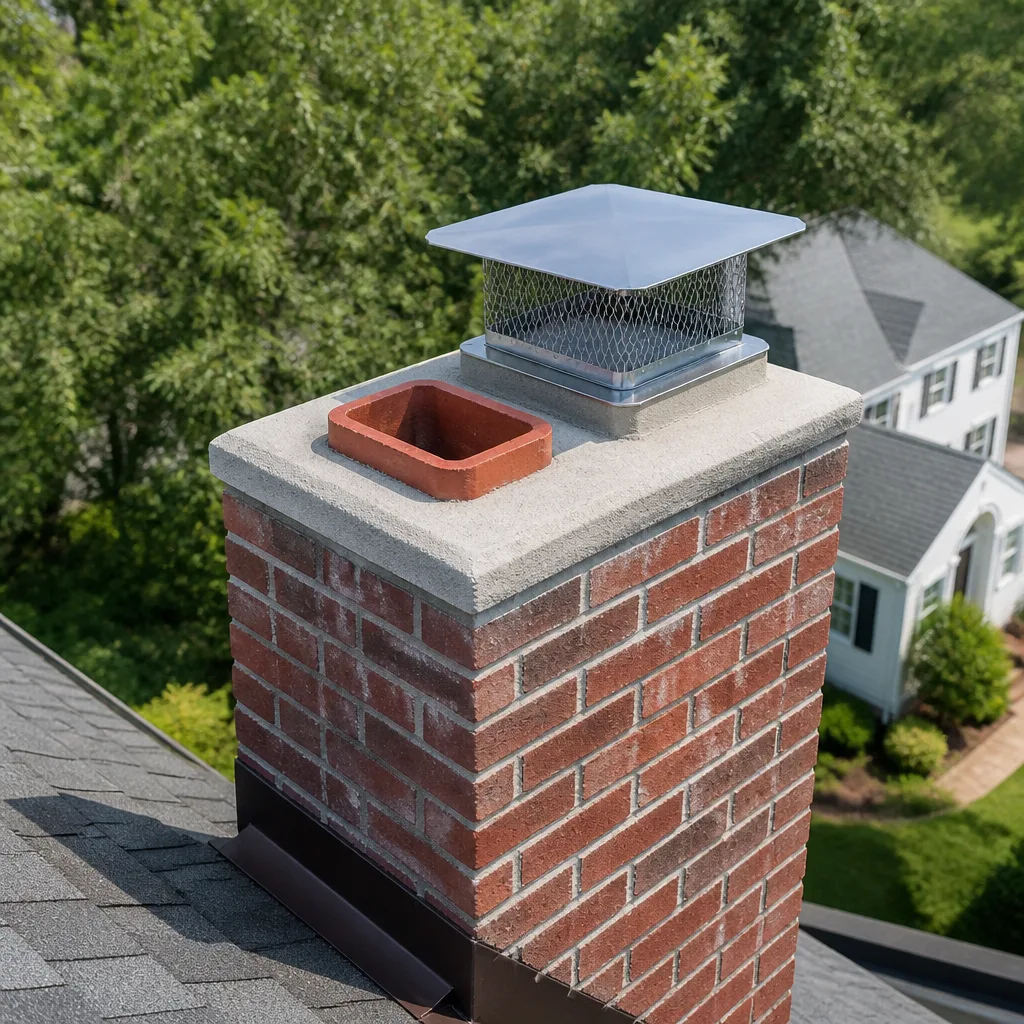 Sweep & inspection
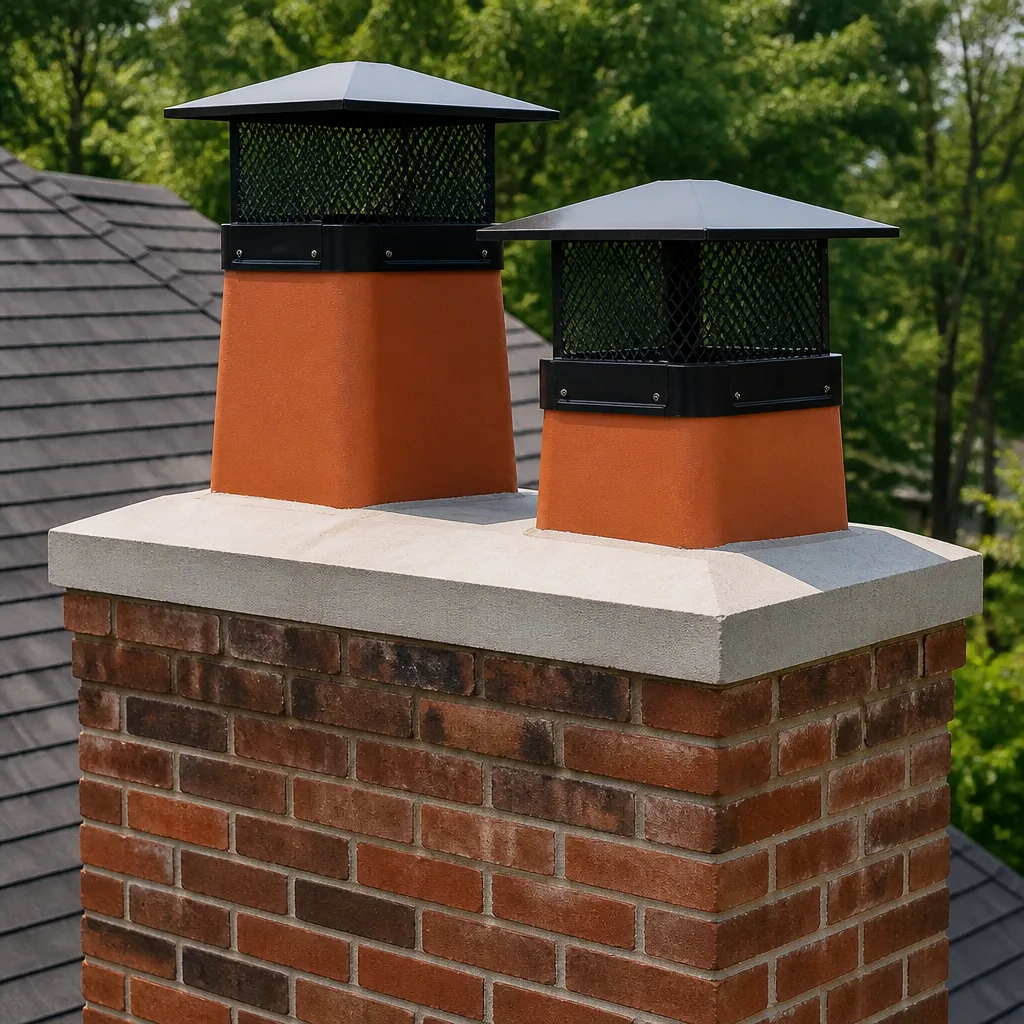 Caps & crowns
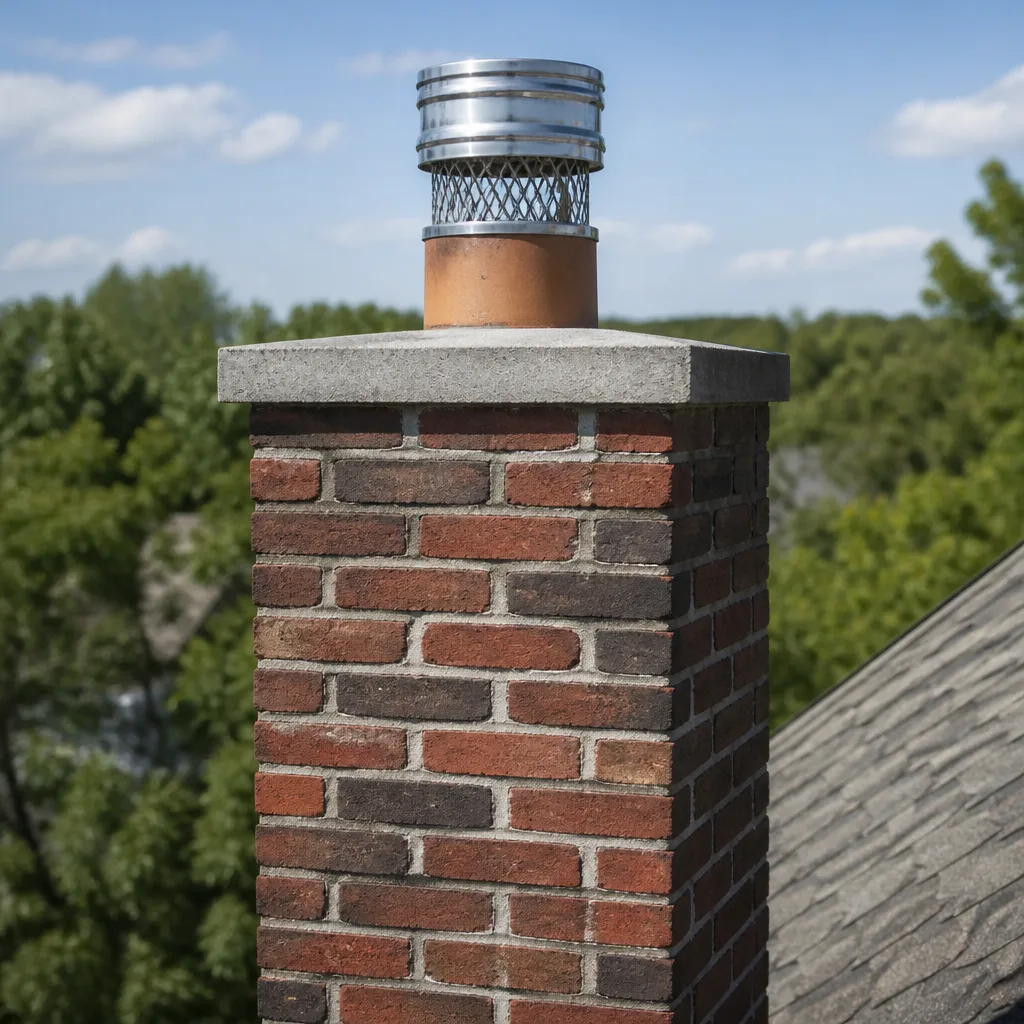 Flue relining
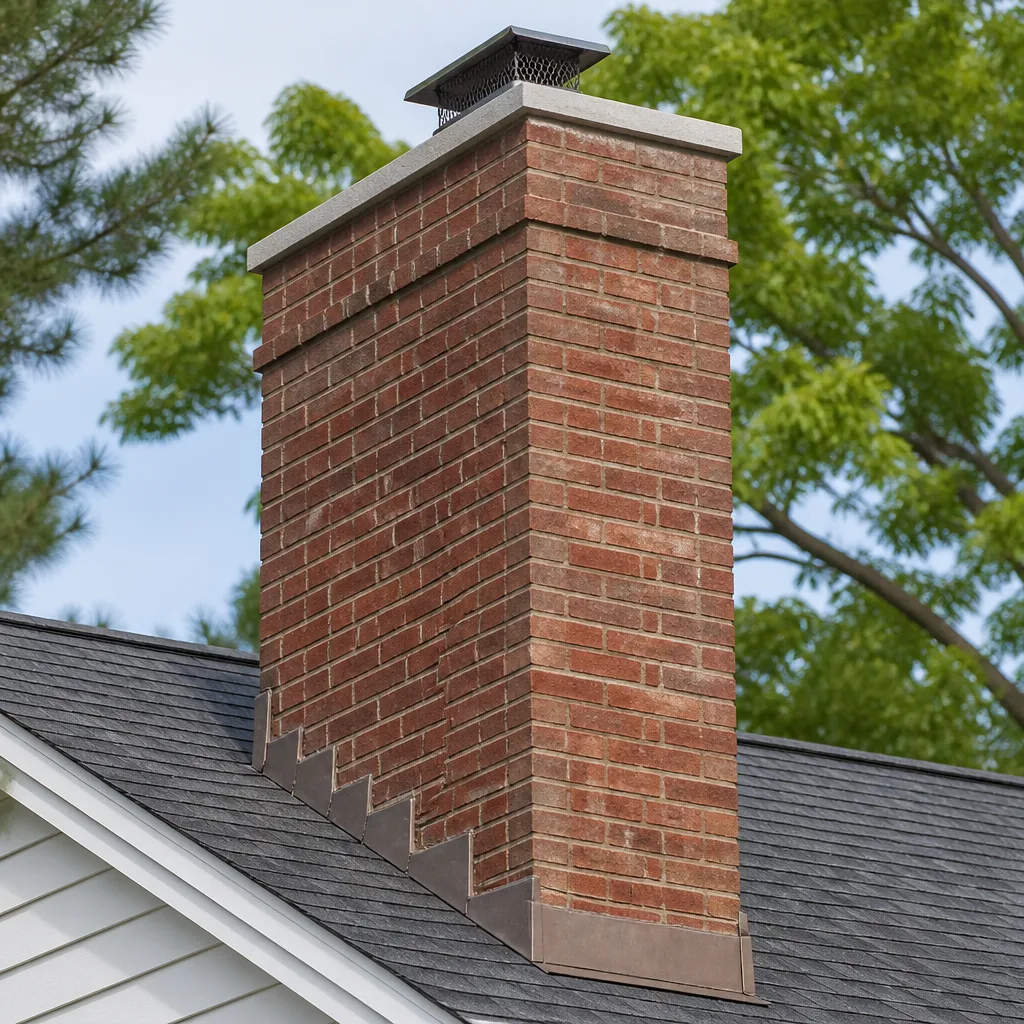 Masonry repair
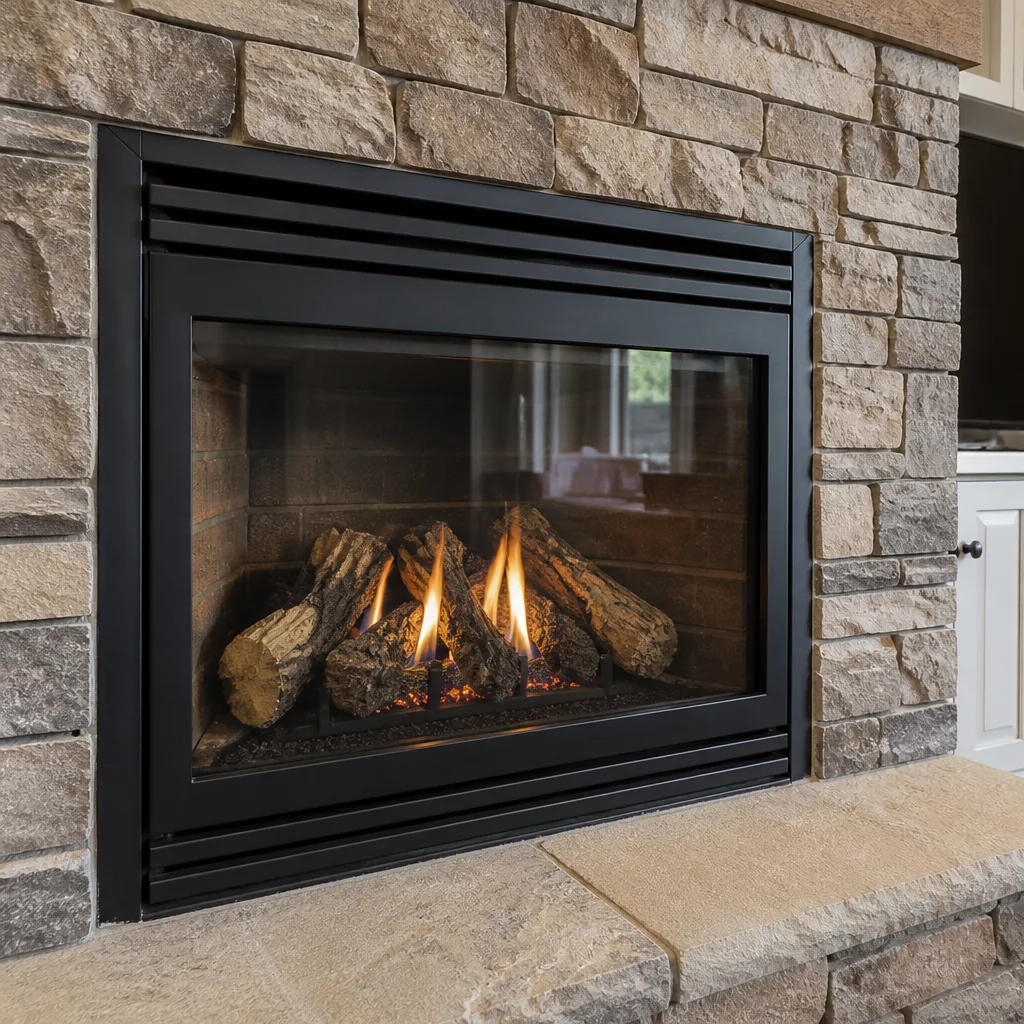 Gas fireplace service
Level 1 sweep and inspection to the NFPA 211 annual standard - flue, crown, cap, and flashing checked and photographed
Chimney sweep logs do not sweep chimneys. They loosen some creosote - which then falls where a brush and vacuum still have to collect it.
Chimney Cleaning Permits, Codes & Inspections in Riverdale, NY: What You Need to Know
Here’s the misconception we run into most: that a chimney sweep is the risky part of the transaction. It isn’t. The sweep itself is routine maintenance, and in New York City it almost never triggers a permit. The work a sweep uncovers is a different story. When a cleaning reveals a cracked flue, a failed liner, a crumbling crown, or a firebox that’s spalling apart, those are construction jobs that usually need a permit from the NYC Department of Buildings before anyone touches them. And the problem of unpermitted chimney work is especially sharp in Riverdale, where attached houses, co-ops, and multi-unit buildings sit close together and paperwork follows a property long after the crew leaves. So the split between “cleaning” and “repair” isn’t a technicality. It’s the line between a routine appointment and a liability that can surface years later. This guide walks through which chimney work needs a permit, how Local Law 11 fits in, how to check that your contractor actually pulls one, and how a DOB inspection differs from a proper chimney inspection. Riverdale homeowners, stay with us.
Quick Answer
Chimney cleaning itself is generally treated as maintenance and typically does not require a permit in New York City. Structural or mechanical work discovered during cleaning – liner replacement, firebox rebuilding, cap and crown replacement on shared structures, and masonry repairs – usually does require a permit from the NYC Department of Buildings. A DOB inspection and a chimney inspection are not the same thing: the DOB looks at building and façade compliance, while a Level 2 chimney inspection looks at the inside of your flue.
Styles & brands we work with
- Sweep & inspection
- Caps & crowns
- Flue relining
- Masonry repair
- Gas fireplace service
Table of Contents
- Is Chimney Cleaning a Permitted Activity in Riverdale?
- Which Chimney Repairs Need an NYC DOB Permit?
- Local Law 11, Attached Houses, and Chimney Work in Riverdale
- How to Verify Your Chimney Contractor Pulls Permits
- What Documentation to Keep After Chimney Work
- Unpermitted Work, Insurance, and NY Property Disclosure
- DOB Inspection vs. NFPA 211 Level 2: Not Interchangeable
- Working With a Chimney Contractor in Riverdale: A Checklist
Is Chimney Cleaning a Permitted Activity in Riverdale?
Chimney cleaning is not a permitted activity in itself. A standard sweep – brushing and vacuuming the flue, clearing soot and creosote, checking the firebox and damper – is routine maintenance on an existing system, and it doesn’t require a Department of Buildings permit. That’s true whether the home is a single-family house on a quiet Riverdale street or an apartment in a co-op building. No permit is filed for sweeping a flue any more than one is filed for cleaning a gutter.
What confuses homeowners is what happens next. A sweep is a diagnostic event as much as a cleaning. Once the brush is out and the flue is visible, a technician can see whether the liner is sound, whether the crown has cracked, whether the firebox mortar is failing. If everything’s in good shape, the appointment ends with a cleaning and a record. If something’s failed, the job shifts from “maintenance” into “repair,” and that’s where permits enter the picture.
The practical distinction in Riverdale comes down to this:
- Maintenance (typically no permit): sweeping, a visual check of the flue and cap, replacing a damaged rain cap on a single-family roof, minor mortar touch-ups, cleaning the firebox.
- Repair or construction (usually needs a permit): relining a flue, rebuilding a firebox, replacing a crown, masonry reconstruction on the chimney stack, and work that alters the footprint or structure of the chimney on a shared or attached building.
The line isn’t always obvious from the driveway. A cracked crown on a single-family house might be straightforward maintenance. The same crown on a shared party-wall chimney attached to a co-op building raises questions about structure and shared responsibility that a permit helps sort out. This is why Chimney Sweep Riverdale opens with an inspection before recommending anything – the scope of the fix decides whether a permit is part of the conversation.
Which Chimney Repairs Need an NYC DOB Permit?
Most structural and mechanical chimney repairs need a permit from the NYC Department of Buildings. Cleaning doesn’t. Relining doesn’t always fall on the same side of that line as a simple cap replacement, and the answer often depends on whether the work changes the chimney system itself or just restores it.
Here’s how the question usually breaks down in our experience working Riverdale’s stock of pre-war houses, attached homes, and apartment buildings:
- Liner replacement or relining: installing a new stainless liner or applying HeatShield resurfacing is a substantive change to the flue. Many contractors treat this as permitted work, especially when it involves the structural integrity of the chimney. Confirm with the DOB before booking.
- Firebox rebuild: rebuilding the firebox or repairing significant masonry is a construction job and generally requires a permit.
- Crown replacement on shared or attached structures: a crown is structural. On an attached house or multi-unit building, the alteration usually triggers a permit review because it affects a shared structural element.
- Chimney stack masonry repair: repointing or rebuilding the stack above the roofline, particularly more than minor touch-ups, is generally permitted work.
- Cap replacement: installing or replacing a chimney cap is generally considered minor maintenance and typically does not require a permit, provided it’s a cap-for-cap replacement with no structural change.
- Sweeping and visual inspection: no permit.
The safest rule of thumb we share with homeowners: if the work involves opening up, replacing, or rebuilding part of the chimney system, ask about a permit. If it involves only cleaning or replacing a damaged cap, ask anyway – a two-minute phone call to the DOB saves a much longer conversation later. Our role is to describe the actual condition and scope; the permit determination is a building-department matter, and the contractor who pulls the permit should be able to explain why.
Local Law 11, Attached Houses, and Chimney Work in Riverdale
Local Law 11 requires periodic façade inspections on buildings taller than six stories, and it interacts with chimney work on Riverdale’s larger attached and multi-unit buildings in ways homeowners rarely anticipate. The law isn’t about your fireplace. It’s about the exterior envelope of the building, and a chimney stack is part of that envelope when it projects above the roofline.
Here’s what that means in practical terms:
- If you own a single-family house under the six-story threshold, Local Law 11 generally doesn’t apply to your façade, and your chimney repair follows the regular DOB permit path for the specific scope of work.
- If you live in or own a unit in a larger attached or multi-unit building, façade inspection requirements may sweep chimney stack repairs into a broader compliance cycle. The building owner is responsible for the façade inspection; if the chimney is part of the exterior wall or projecting structure, repair work may need to align with what that inspection requires.
- If you own a co-op or condo unit, the building’s façade inspection is coordinated by the board or managing agent, not individual owners. Any chimney repair that reaches the exterior needs to fit into that process.
- If you own an attached house in a row of similar structures, a chimney repair on your side of a shared wall can affect the adjacent building’s envelope. The permit process on shared structural elements is often more involved.
A licensed restoration architect or expeditor typically handles Local Law 11 filing for larger buildings. What a Riverdale homeowner needs to know is simpler: if the chimney you’re repairing is part of the exterior façade of a larger building, ask whether the work has to be coordinated with an active façade inspection. It’s a question most sweep-only operations won’t raise, and it’s exactly the kind of thing that surfaces during a sale or a refinance.
How to Verify Your Chimney Contractor Pulls Permits
Any homeowner can verify a permit through the NYC Department of Buildings, and you should. The DOB maintains public records you can search by address, and a legitimate contractor will be able to point you to the permit number and the record before the work begins.
Here’s how to check, in order:
- Ask for the permit number before work starts. A contractor who pulls permits routinely will have the number once the filing is approved. If the answer is “we’ll pull it after,” ask why.
- Look the permit up on the DOB’s public records. Search by property address and confirm the scope of work listed matches what you were quoted. A permit that says “cap replacement” but is being used to cover a full reline is a red flag.
- Confirm the licensee. The permit should show a licensed contractor’s name and license class. Ask the contractor to match the name on the permit to the name on your quote.
- Ask who closes the permit. A permit isn’t finished when the work is done; it’s finished when it’s signed off by the DOB after inspection. Confirm the contractor is responsible for the final sign-off.
- Get a copy of the signed-off permit. This is the document that proves the work was inspected and approved, and it’s the one you’ll want for insurance and resale.
Two things are worth flagging. First, a professional chimney company should have no problem with this process – if a contractor resists letting you verify a permit, that’s the answer. Second, the permit filings are between you, the contractor, and the DOB; the local professional who performs the work is licensed and insured as their state requires, and that’s the credential to match against the permit record. For chimney sweep work that doesn’t need a permit, the same vetting still applies: ask what’s being done, get it in writing, and keep the record.
What Documentation to Keep After Chimney Work
The paperwork from chimney work matters more than most homeowners realize, and it’s often what saves a sale or an insurance claim years later. Keep everything, even the records from a simple sweep.
Here’s the documentation we recommend retaining in a single folder, physical or digital, alongside your property records:
- The written estimate and final invoice: shows exactly what was quoted and what was done. This is the document that prevents a dispute if a buyer’s inspector finds work that doesn’t match the original scope.
- The permit number and signed-off permit: for any permitted work. The signed-off permit is the proof of inspection.
- Inspection reports: if you had an inspection, keep the report. If the inspection involved a camera and photo documentation, keep those photos.
- Product documentation: if DuraFlex or Olympia Chimney liner components were installed, keep the manufacturer’s paperwork. If HeatShield resurfacing was applied, keep that record too. It documents the material and helps future technicians avoid guessing.
- Before-and-after photos: our technicians provide photo documentation as part of an inspection. Keep it. It’s the easiest way to prove work was done and done correctly.
- Any DOB inspection notices or sign-offs: if your building was involved in a façade inspection, keep those records with the chimney file.
The reason this matters particularly in Riverdale is that the housing stock here often changes hands with paperwork gaps. Buyers and their inspectors ask for documentation, and a homeowner who can produce a clean file – estimate, invoice, permit sign-off, photos – moves through the sale much more smoothly than one who says “I think we had someone look at it a few years ago.”
Unpermitted Work, Insurance, and NY Property Disclosure
Unpermitted chimney work can affect both your homeowner’s insurance and your obligation to disclose conditions when you sell. Neither of those outcomes is theoretical, and both are more common than most homeowners expect.
On the insurance side, the issue is whether the insurer has an accurate picture of the property. Most homeowner policies don’t require a permit for routine maintenance, but they do care about material changes to the structure and about hazards. If a chimney liner was replaced in a way that changed the flue’s performance or created a condition the policy wasn’t rated for, and there’s a subsequent claim, the insurer may ask for documents showing the work was done correctly. A signed-off permit is one of the cleanest pieces of evidence a homeowner can have.
On the disclosure side, New York’s Property Condition Disclosure Statement asks sellers to disclose known material defects and conditions. Unpermitted work on a chimney isn’t automatically a defect, but if you’re aware the work didn’t go through the proper channels and a buyer’s inspector flags it, the consequences fall back on you. In our experience, most of the pain in this area comes not from the work itself but from the homeowner not knowing whether it was permitted and not being able to prove it either way.
The pragmatic rules:
- Ask the contractor directly: “Does this work require a permit, and are you pulling it?” Get the answer in writing.
- If in doubt, pull the permit: a permit is far cheaper than an unpermitted condition discovered during a sale.
- Keep the signed-off permit in your file: a permit that isn’t signed off doesn’t count as complete.
- If you’ve inherited unpermitted work, get an inspection: the chimney repair conversation usually starts with knowing what’s actually there.
DOB Inspection vs. NFPA 211 Level 2: Not Interchangeable
A DOB inspection and a Level 2 chimney inspection look at different things for different reasons, and one never substitutes for the other. The DOB is concerned with building code compliance and structural integrity as it relates to safety and occupancy. A Level 2 chimney inspection is concerned with the inside of your flue.
Here’s the comparison:
- What a DOB inspection is: a code-compliance review. Depending on the trigger – a permit, a façade inspection cycle, a complaint, or a violation – the DOB examines the building’s compliance with the NYC Construction Codes. It’s about the building, not the fireplace.
- What a Level 2 inspection is: an NFPA 211-defined inspection of accessible portions of the chimney, including the flue interior, firebox, damper, cap, and visible connections. It’s typically done with a camera and produces documentation of condition. It’s what you’d want before a sale, after a chimney fire, after an event that could damage the flue, or when switching fuels or appliance types.
- Why they’re not interchangeable: a DOB inspector is not there to assess creosote buildup or liner condition inside your flue. A chimney technician is not there to certify building code compliance. Each serves a different purpose, and a thorough file contains both when the situation calls for it.
- When you need both: if you’re doing permitted chimney work on an attached or multi-unit building with an active façade inspection, you may need the DOB’s sign-off on the construction scope and a Level 2 inspection documenting the flue’s condition. They’re not the same document.
For homeowners buying or selling, or simply overdue for a check, an inspection is available as a standalone service – you’re not required to book a cleaning to get one. That’s worth knowing because a buyer’s inspector will often flag “chimney not inspected” as a general item, and a Level 2 report with photos answers it directly.
Working With a Chimney Contractor in Riverdale: A Checklist
The right question isn’t “who can sweep my chimney” – plenty of people can. It’s “who can tell me what needs to happen next, whether it needs a permit, and what documentation I’ll have when it’s done.” Here’s the checklist we’d use if we were hiring someone for our own Riverdale home:
- Do they inspect first, then recommend? A diagnostic-first approach means you’re not sold a repair before anyone has looked inside the flue.
- Are they asking about permits when the scope calls for one? If the answer to a liner or firebox question is “we don’t bother with permits,” keep asking.
- Do they know the difference between a sweep and a repair? If the appointment ends with a cleaning and a clear photo report, you’re in good hands.
- What brands and methods are they specifying? For liner work, DuraFlex and Olympia Chimney are recognized professional-grade systems; HeatShield resurfacing is a legitimate option for the right flue condition; Gelco crown components are a common choice for cap and crown work. Professional-grade materials, not hardware-store substitutes.
- Do they offer cap and crown work? A cap and crown are the most common source of water and wildlife entry, and many sweep-only competitors won’t touch them. For chimney cap & crown work, the contractor should be able to do it, not refer it out.
- Do they provide photos as part of the inspection? You should see what they see.
- Will they tell you what can safely wait? A company that recommends work only when the camera evidence supports it, and says plainly when a repair can wait, is giving you a straight answer.
Our technicians have up to 13 years of experience with chimney systems, and they work from inspection-first reasoning rather than a fixed script. We specify DuraFlex, HeatShield, Olympia Chimney, Gelco, and Famco because those are the products that hold up in the conditions we actually see in Riverdale, and because they let us match the repair to the flue rather than the other way around. From the firebox to the cap, the whole system gets looked at in a single visit, and if something’s discovered that needs a permit, that’s a conversation we have before anyone starts.
Common Mistakes to Avoid
- Assuming a sweep covers it. A cleaning is not an inspection and vice versa. If you haven’t had the flue camera-inspected in years, book the inspection – especially before a sale, when the paperwork matters most.
- Letting a rebuild happen without a permit. A firebox rebuild or liner replacement without a permit creates a paper trail problem in Riverdale’s attached-housing market, where a buyer’s inspector is likely to ask for documentation and a missing permit is hard to explain away.
- Treating a DOB inspection as a chimney inspection. These look at different parts of the building. A DOB sign-off on a permitted repair doesn’t tell you whether the flue interior is sound – those are separate questions with separate answers.
- Not asking who pulls the permit. If your contractor says “you can pull it yourself,” that’s a signal the filing isn’t part of their process. A legitimate contractor pulls permits in their own name.
- Skipping Local Law 11 coordination. On larger attached and multi-unit buildings, chimney work that touches the exterior may need to align with an active façade inspection cycle. Ask the question up front.
- Throwing away the paperwork. The estimate, invoice, photos, and signed-off permit together form the file that saves you during a sale. Keep them with your property records.
- Hiring a sweep-only operation for a system that needs repair. Sweep-only competitors usually don’t do cap and crown work or structural repairs, so you end up sourcing a second contractor and a second visit. A single point of contact for the whole system avoids that.
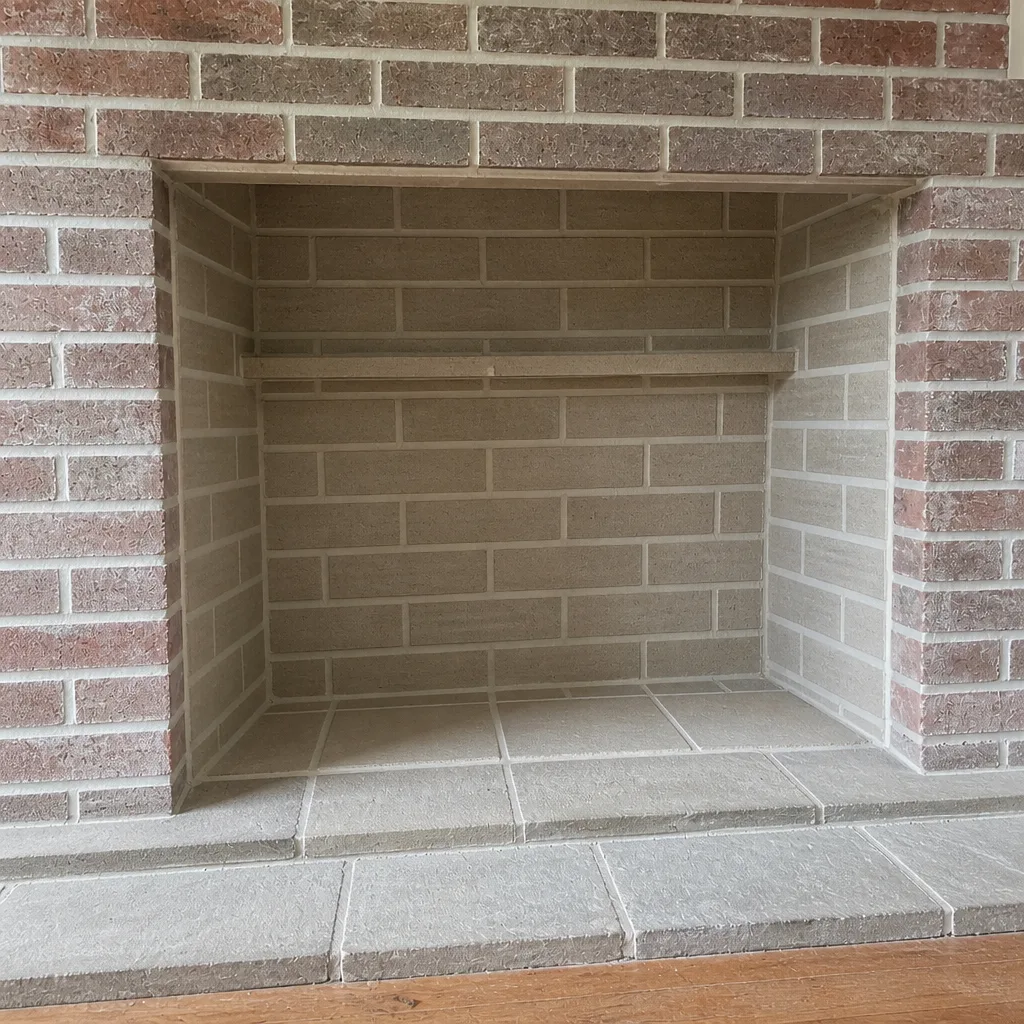
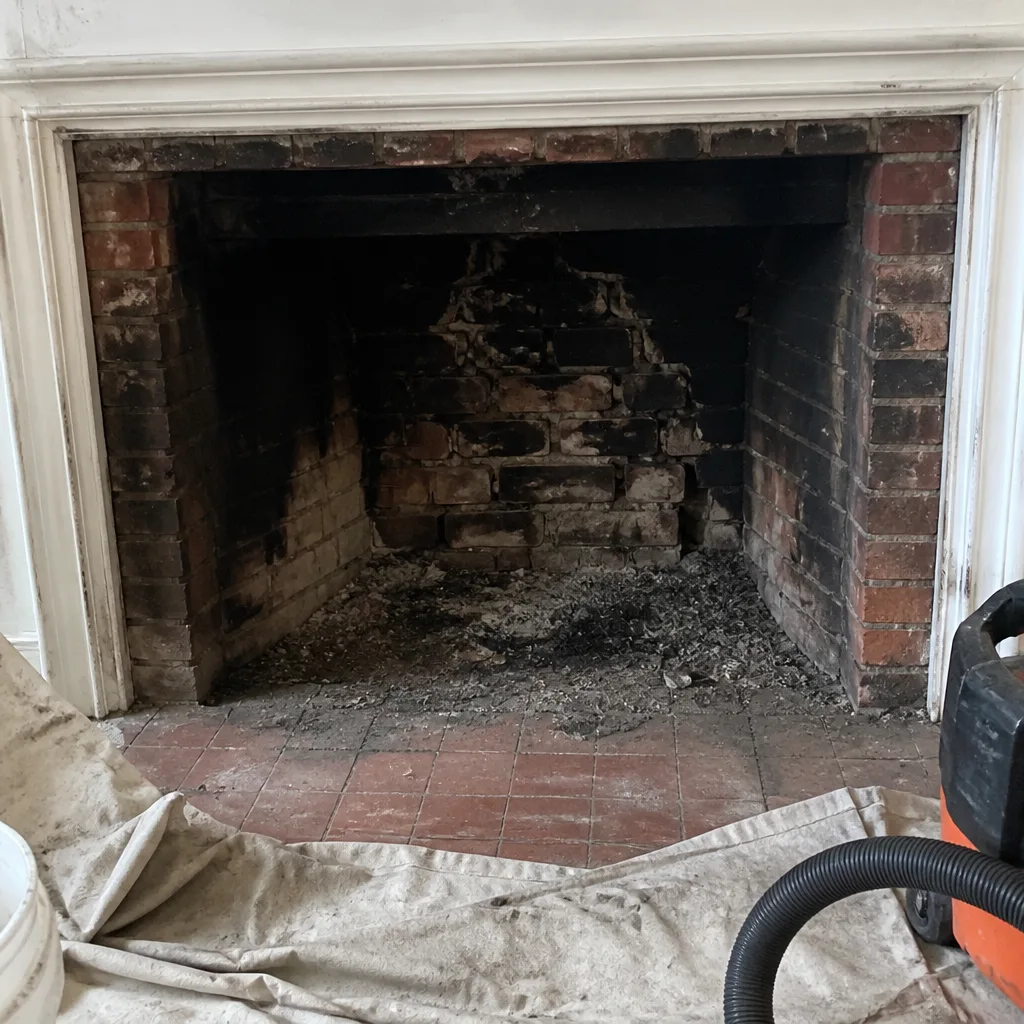
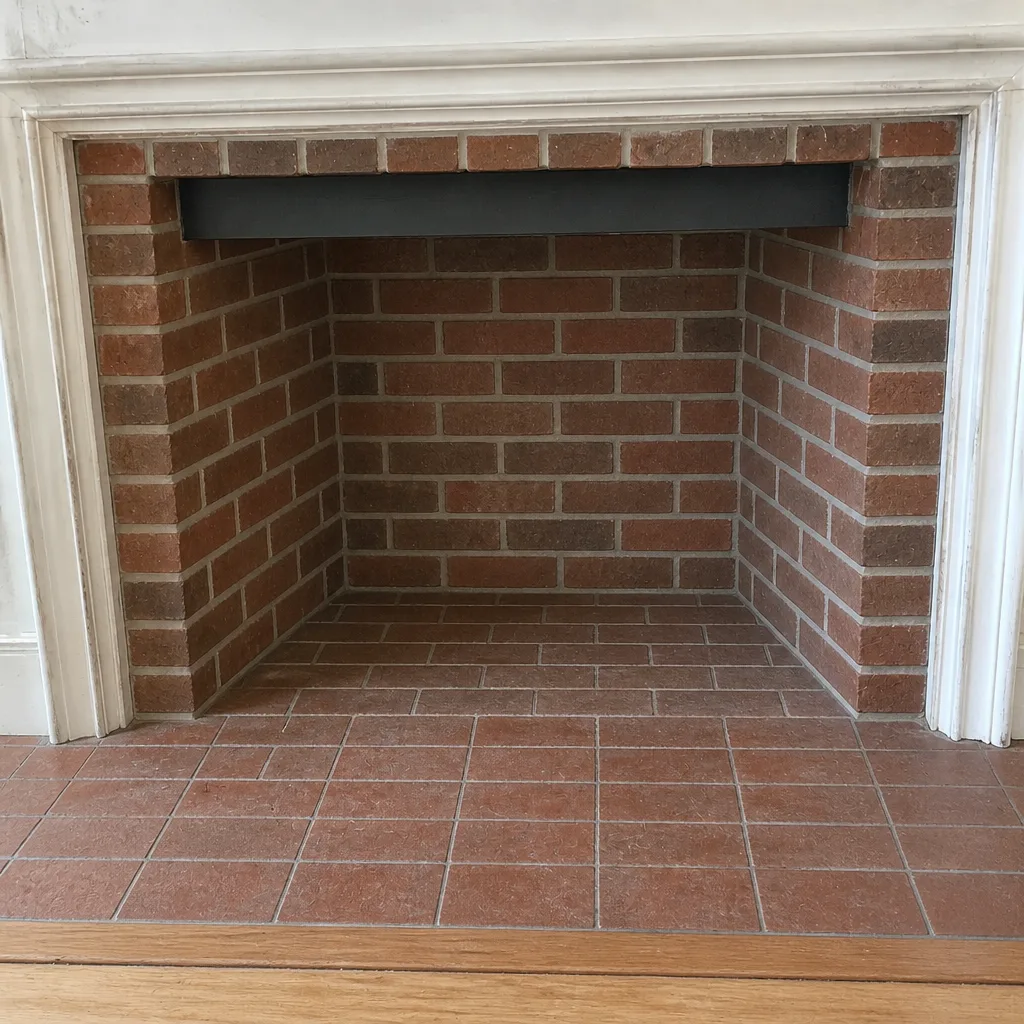
See the difference
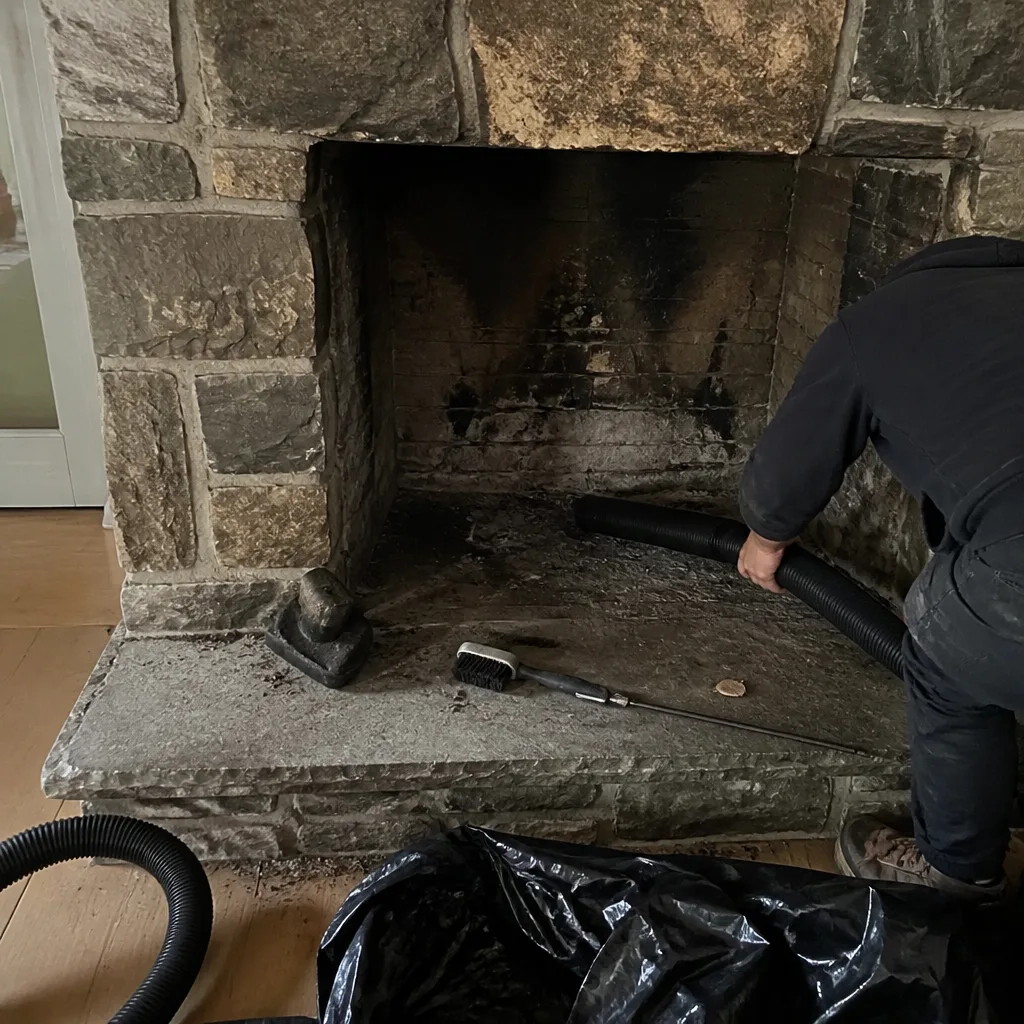 Before
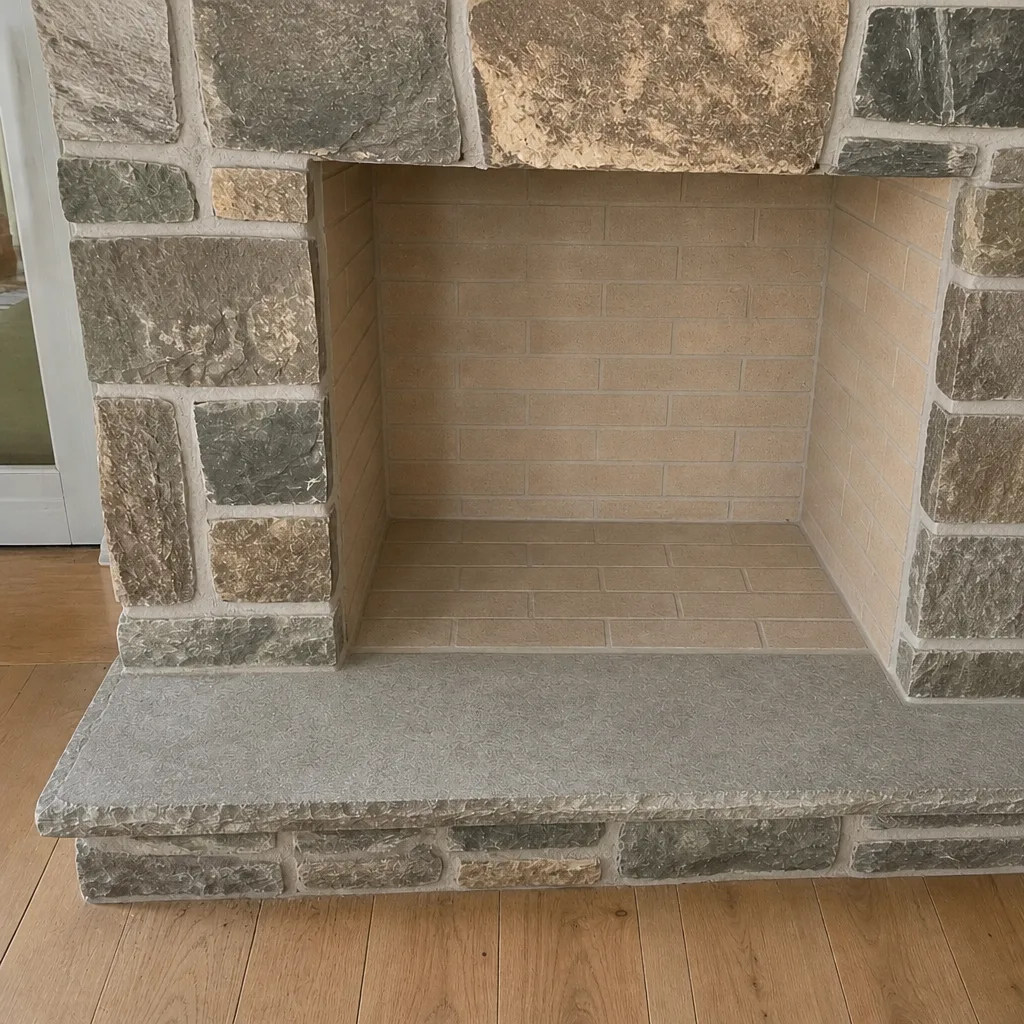 After
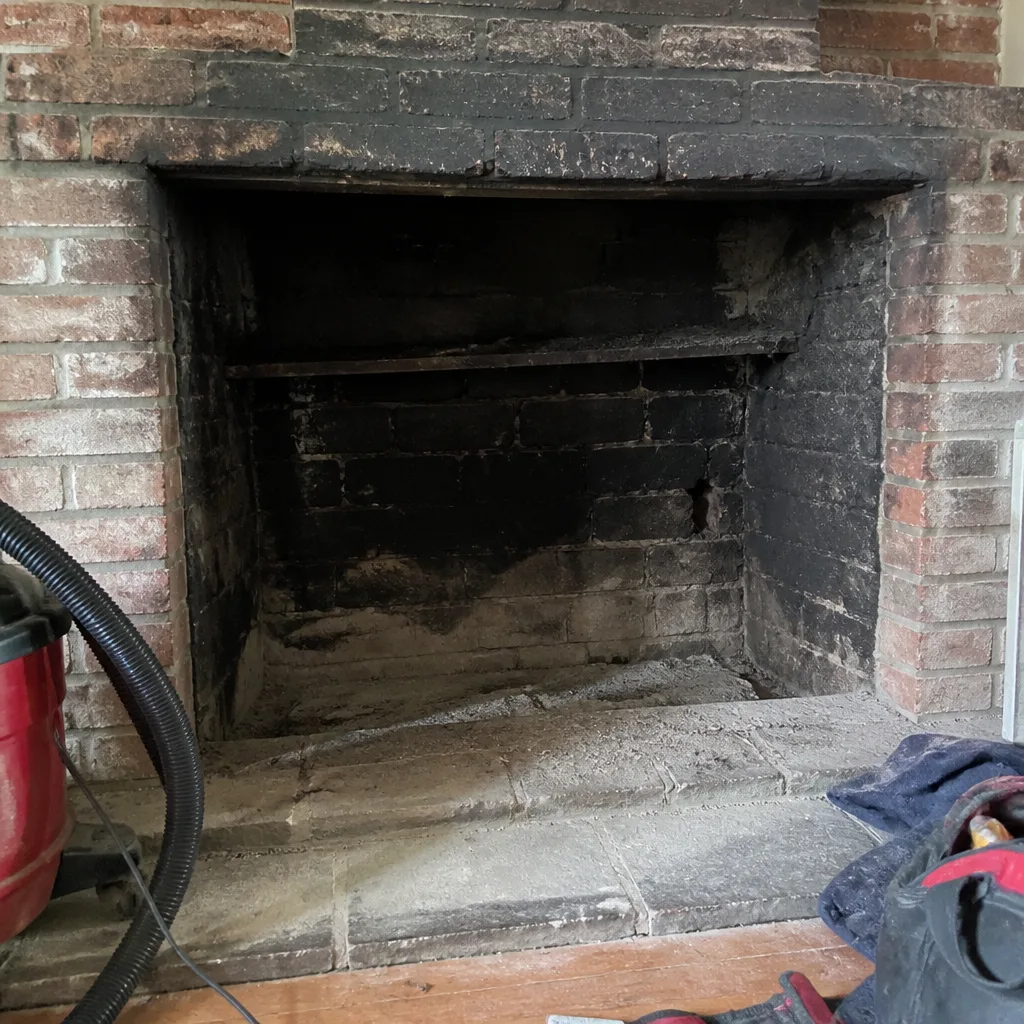 Before
 After
 Before
 After
When to Call a Professional
Some situations need a call now, not a note for later. If you’ve had a chimney fire, even a small one, have the flue inspected before using the fireplace again. If you’re selling or buying a home in Riverdale and the chimney hasn’t been inspected, a Level 2 inspection with photos answers the buyer’s inspector directly. If you’ve inherited unpermitted work – a liner replacement with no documentation, a firebox rebuild with no permit – an inspection establishes what’s actually there so the repair conversation starts from evidence. If you’re doing permitted work on a larger building, coordinate the inspection with the DOB filing so the paperwork matches. And if it’s just been a few years since the chimney was cleaned or inspected, book it before the heating season rather than during it. Safety matters here: chimney fires and carbon monoxide exposure are real risks when a flue is compromised, and if you’re ever unsure whether a flue is safe to use, have it inspected by a trained professional before lighting a fire. Chimney Sweep Riverdale offers free estimates in Riverdale – call (888) 848-6804. We answer 24/7, and fast dispatch from 7am to 7pm, Sunday through Friday.
Frequently Asked Questions
No – chimney cleaning is routine maintenance and typically doesn’t require a permit in New York City. A permit usually only enters the conversation if a cleaning uncovers structural or mechanical work, such as a liner replacement or firebox rebuild. Call (888) 848-6804 for a free estimate and we’ll tell you upfront which category your job falls into.
In most cases, yes – a liner replacement is substantive work on the flue and is generally treated as permitted work, though the exact scope matters. If your inspection shows a liner is needed, ask about the permit before booking and confirm the contractor is pulling it in their name. Call (888) 848-6804 for an exact quote on an inspection first; estimates are free.
A DOB inspection is a code-compliance review of the building, while a Level 2 chimney inspection is an assessment of the inside of your flue, following NFPA 211. They serve different purposes and one never substitutes for the other, especially on a sale or a refinance. If you need a Level 2 inspection, we book it as a standalone service. Call (888) 848-6804 to schedule.
Local Law 11 requires periodic façade inspections on buildings taller than six stories, and chimney work that touches the exterior on a larger attached or multi-unit building may need to align with that inspection cycle. If the chimney is part of the building’s envelope, ask whether the repair has to be coordinated with the active façade inspection. Call (888) 848-6804 and we can talk through what the inspection scope looks like.
Unpermitted work can affect both homeowner’s insurance claims and your New York Property Condition Disclosure obligations when you sell. The pain usually comes from not being able to prove whether work was permitted, which is why we recommend a Level 2 inspection on any inherited chimney work. Call (888) 848-6804 to schedule one; estimates are free.
A company that can sweep, inspect, and repair in one visit usually saves you time and avoids a second contractor conversation later. Sweep-only crews often can’t handle cap and crown work or liner repairs, which means the discovered work gets referred out. If you want one point of contact from the firebox to the cap, call (888) 848-6804 for a free estimate.
The Bottom Line
Chimney cleaning is the low-stress part. The permit question is what most Riverdale homeowners should be thinking about – because the work a cleaning uncovers, from liners to crowns to fireboxes, is usually construction, and construction on a chimney in New York City usually needs a DOB permit. On larger attached and multi-unit buildings, Local Law 11 can add another layer, and it’s worth asking about before work starts. Verify permits, keep the documentation, and don’t let unpermitted work quietly become an insurance or disclosure problem during a sale. A DOB inspection and a Level 2 inspection are not interchangeable; know which one you need. And when it comes to choosing a contractor, a company that inspects first and then recommends, that specifies professional-grade products like DuraFlex or HeatShield or Olympia Chimney when they’re the right call, and that can handle the whole system in one visit, is the one to hire. Call (888) 848-6804 for a free estimate. We answer 24/7. Fast dispatch from 7am to 7pm, Sunday through Friday.
Written by the team at Chimney Sweep Riverdale.