
Last updated November 25, 2026
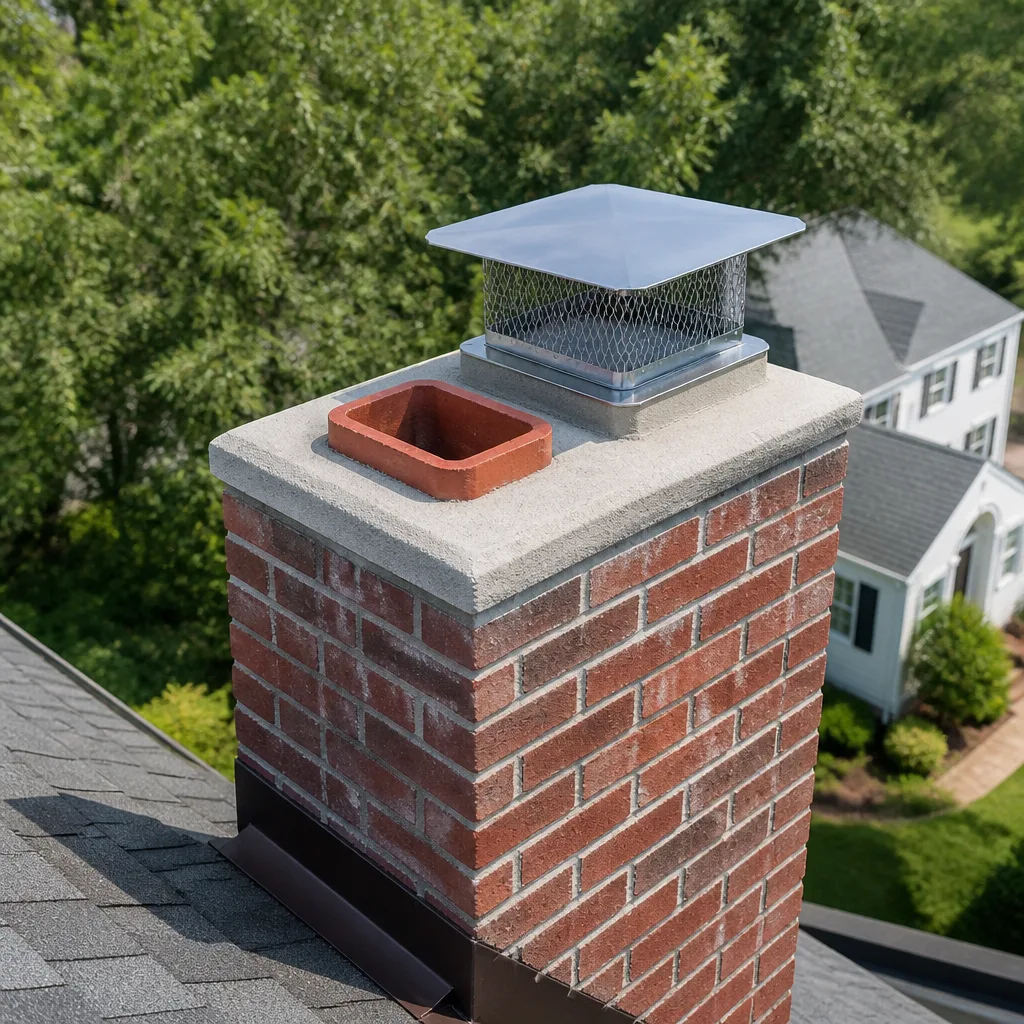 Sweep & inspection
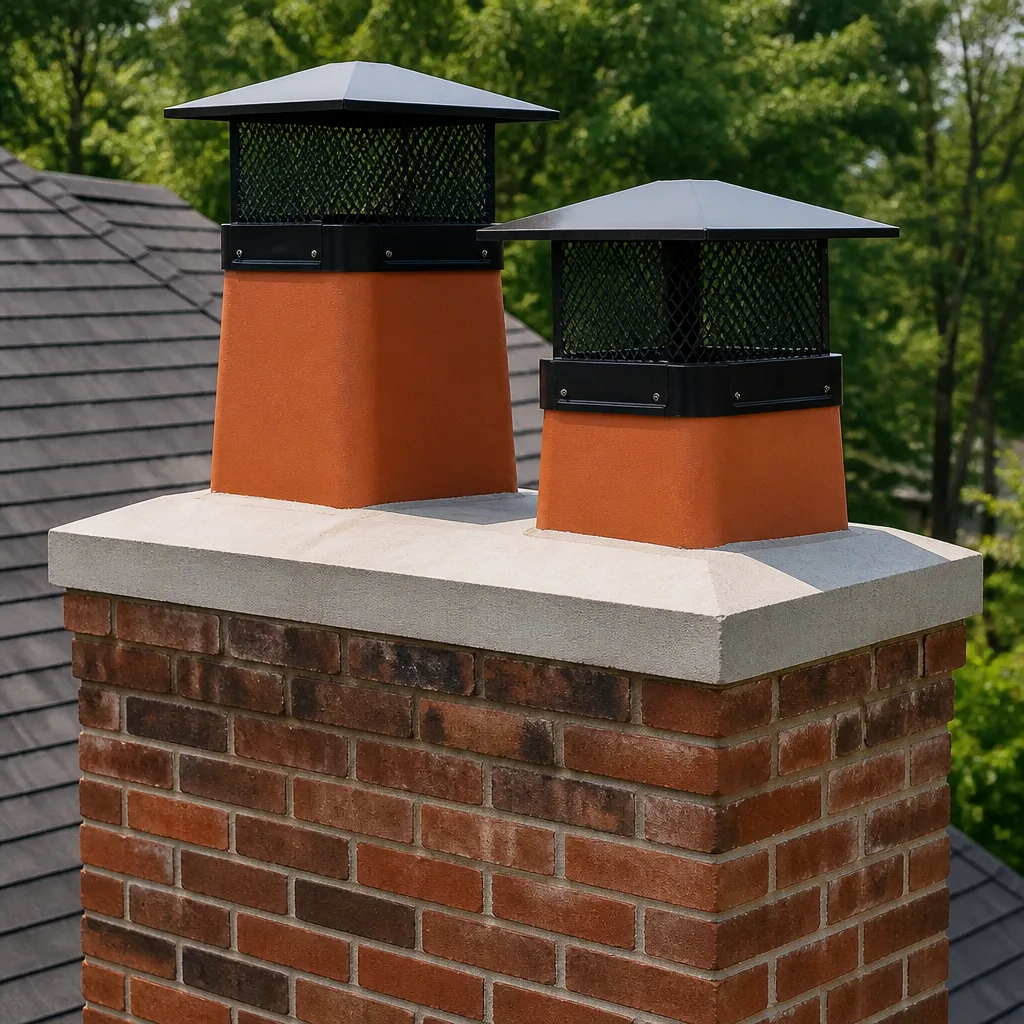 Caps & crowns
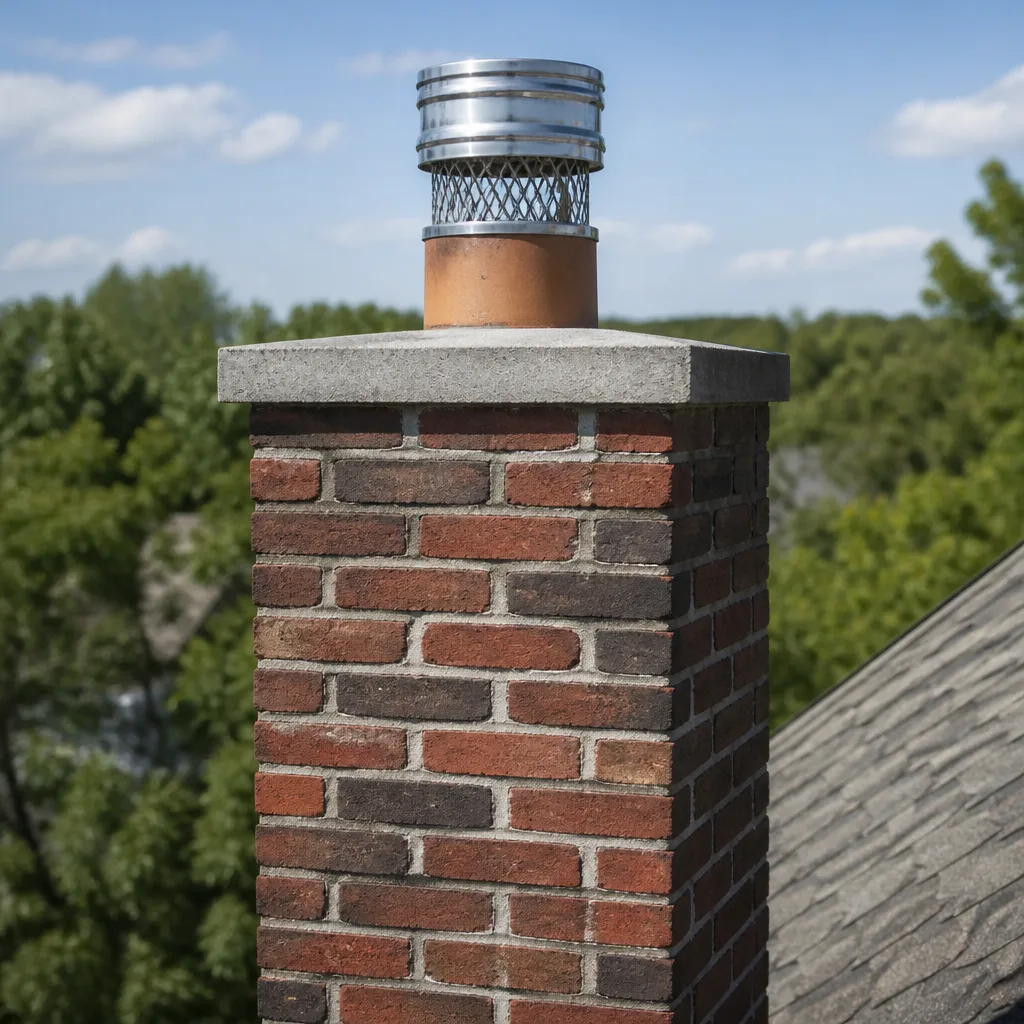 Flue relining
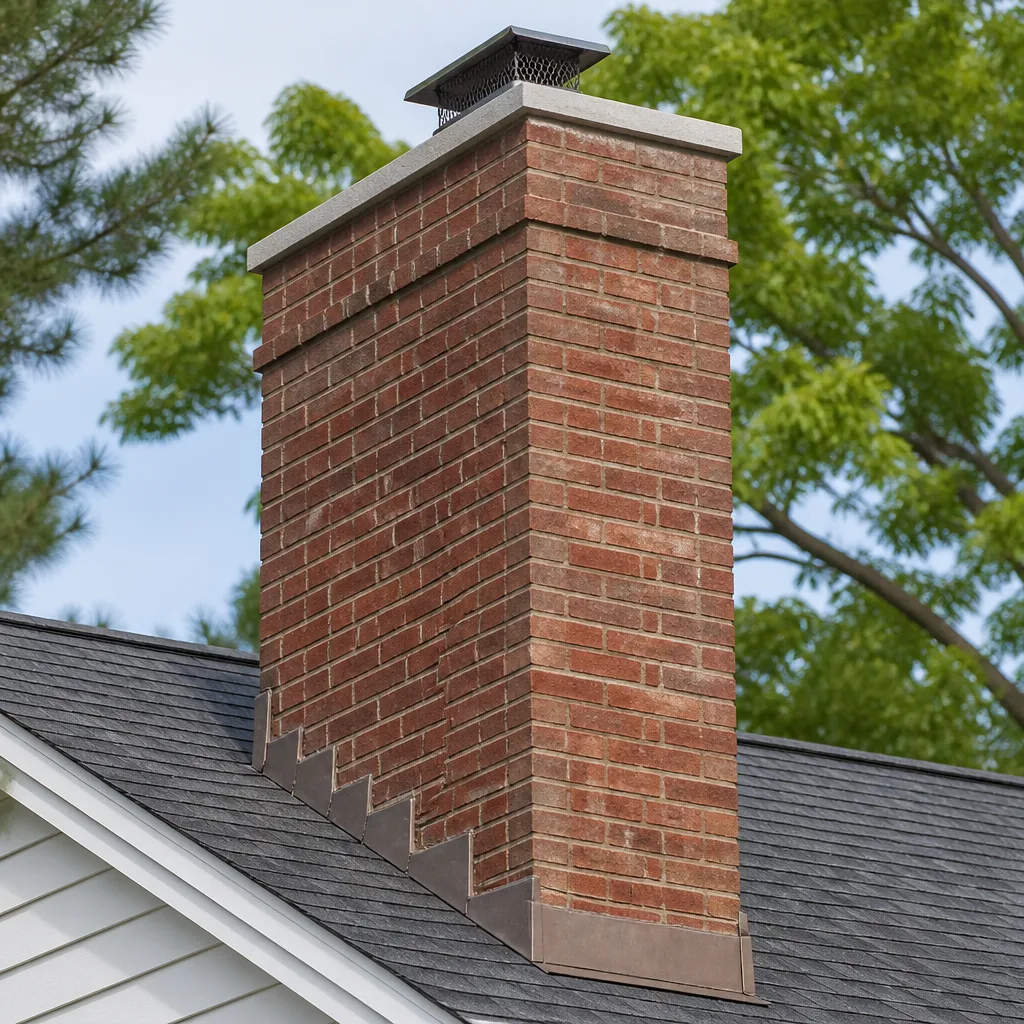 Masonry repair
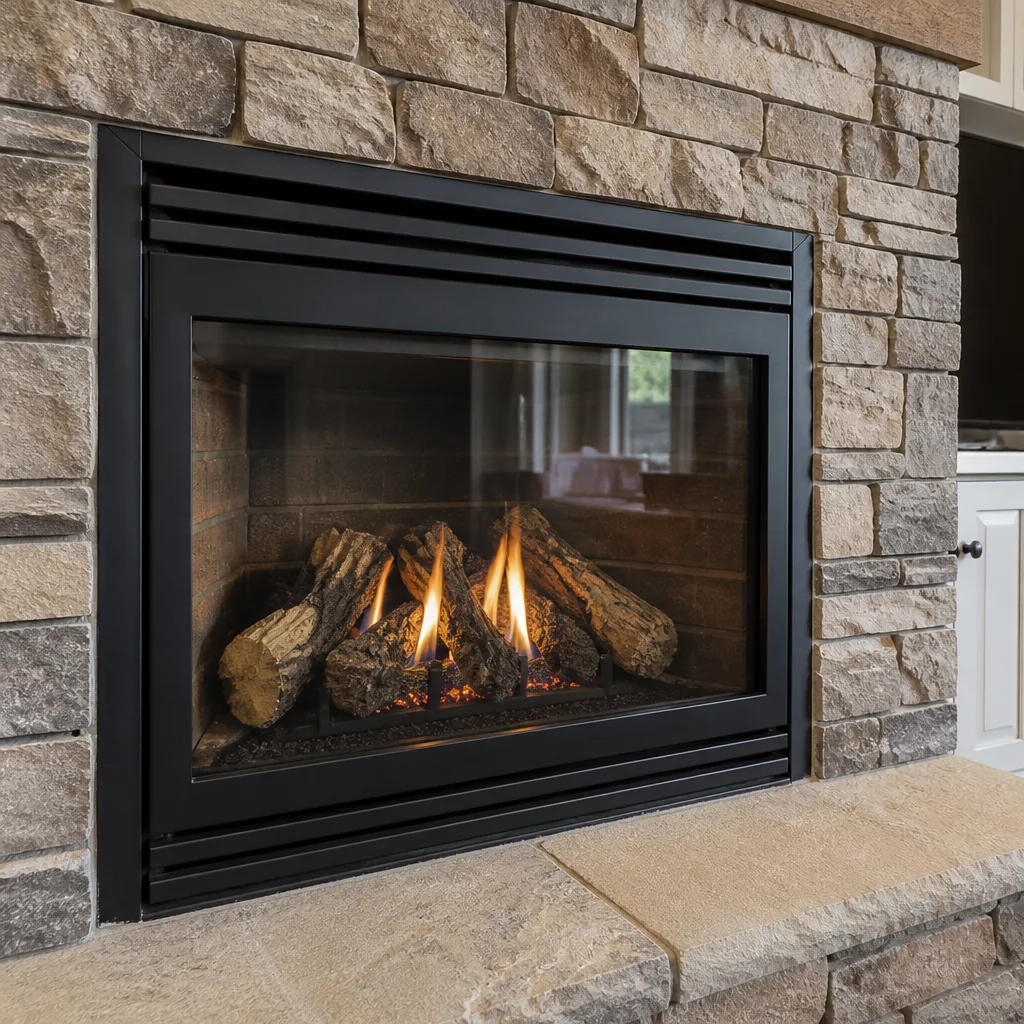 Gas fireplace service
Level 1 sweep and inspection to the NFPA 211 annual standard - flue, crown, cap, and flashing checked and photographed
Chimney sweep logs do not sweep chimneys. They loosen some creosote - which then falls where a brush and vacuum still have to collect it.
The Complete Guide to Chimney Cleaning in Riverdale
Most homeowners in Riverdale think chimney cleaning is one job: a brush goes up, soot comes down, done. But “cleaning” means something different at the firebox, at the smoke chamber, along the flue liner, and up at the crown and cap. The National Fire Protection Association reports that failure to clean is the leading factor in chimney fires, and that failure usually happens in the layer nobody looked at. This guide walks through every layer of the system, what accumulates in each, and how a proper cleaning in Riverdale actually works.
Quick Answer
A complete chimney cleaning in Riverdale means brushing and vacuuming the flue, but it also means inspecting the smoke chamber, damper assembly, firebox, cap, and crown for the debris and damage a brush can’t fix. Cleaning removes creosote and blockages; the inspection that comes with it is what catches cracked liners, failed mortar, and a cap that stopped keeping water out. Both matter, and they’re not the same task.
Styles & brands we work with
- Sweep & inspection
- Caps & crowns
- Flue relining
- Masonry repair
- Gas fireplace service
Table of Contents
- Chimney Cleaning by Zone: Firebox, Smoke Chamber, Flue, Damper, Cap
- Why Riverdale Chimneys Accumulate Debris the Way They Do
- Level 1, Level 2, and Level 3 Inspections: What Triggers Each
- What Professional Equipment Does That Consumer Tools Can’t
- Why a “Clean” Chimney Can Still Be Unsafe
- How a Professional Cleaning Visit Actually Runs
- How Often Should a Riverdale Chimney Be Cleaned?
- Common Mistakes to Avoid
Chimney Cleaning by Zone: Firebox, Smoke Chamber, Flue, Damper, Cap
Think of the chimney as five connected zones, each collecting a different kind of debris. A cleaning that skips any one of them leaves a failure point behind. Here’s what builds up where, and why it matters.
The firebox. Ash, unburned wood, and soot gather at the base. Ash left sitting holds moisture against the firebrick and mortar. Over time that moisture weakens the joints. Clearing the firebox also lets a technician see the brick and mortar up close, where cracks start.
The smoke chamber. This is the sloped space above the damper and below the flue. It’s the most overlooked zone in the whole system. Creosote glazes onto the corbelled brick here in a way that’s hard to reach, and rough brick holds it. Cleaning the smoke chamber properly takes a rotary tool, not a brush on a rod.
The flue liner. This is the main channel. Soot and creosote coat the liner walls in layers, and it’s the zone most instructions focus on. We use rotary brush systems matched to the liner type, from clay tile to a stainless system like those from Olympia Chimney.
The damper assembly. The damper plate and its frame collect soot and can seize. A damper that won’t open fully or won’t seal can push smoke into the room or leak heat up the flue.
The cap and crown. The top collects leaves, twigs, and sometimes nests. A damaged crown lets water into the masonry from above. Cap work using Gelco components keeps rain and animals out.
Each zone needs attention for the system to work as a whole, from the firebox to the cap.
Why Riverdale Chimneys Accumulate Debris the Way They Do
Riverdale has two features that shape how its chimneys age: a dense urban tree canopy and a large share of older housing stock. Many homes here have masonry chimneys built before 1960, and older masonry behaves differently from newer construction. Here’s what that means in practice.
Tree debris up top. Riverdale’s mature trees drop leaves, seed pods, and small twigs year-round into any uncapped flue. That debris packs down into the cap and can block the flue’s outlet entirely. A bird nest sitting on a blocked flue is a carbon monoxide risk in the making.
Creosote in old masonry. Older firebrick and mortar are rough. Creosote bonds to rough surfaces more readily than to a smooth, modern liner. Without a properly sized liner, an older flue runs cool, and cool flues build glazed creosote faster. That’s the stubborn, shiny, hard-to-remove stage.
Mortar joint deterioration. Decades of heating and cooling cycles leave their mark on Riverdale’s older chimneys. Mortar joints crack and crumble, and a brush passing over them can’t tell you they’re failing. An inspection can.
Water from above. Freeze-thaw cycles work away at a crown that was never sealed or has since cracked. Any gap in the crown invites water into the masonry, which then finds its way into the flue.
If you’re due for a full Chimney Sweep Riverdale visit, the technician will read these local patterns on sight, because Riverdale’s housing stock makes them routine.
Level 1, Level 2, and Level 3 Inspections: What Triggers Each
Not every inspection is the same, and the difference matters. A Level 1, 2, or 3 inspection is a distinct, standardized scope. Knowing which one your situation calls for stops you from paying for more than you need, or settling for less than the situation requires.
- Level 1 Inspection. A visual check of the readily accessible parts of the system: firebox, damper, smoke chamber, and flue from the firebox up or the top down. It’s the standard check that comes with a routine cleaning, and it’s appropriate when the chimney is in regular use with no recent changes and no known problems.
- Level 2 Inspection. A more thorough scope that adds access to parts not visible under normal conditions, including the attic and crawl spaces. It’s triggered by a change of use, a change of fuel type, a property sale or transfer, an event like a chimney fire or earthquake, or any sign of a problem. Video scanning of the flue is part of this level. A home sale is the most common trigger we deal with.
- Level 3 Inspection. The most involved scope. It’s called for when a Level 1 or 2 finds a hazard that can’t be fully assessed without getting into concealed spaces, and it can mean removing parts of the chimney or its surrounding structure. It’s rare, and it’s driven by a specific finding.
In Riverdale, the buying and selling of older homes makes Level 2 work routine. A buyer’s inspector will note a chimney but rarely open it. A Level 2 with video is what actually shows the liner’s condition before a sale closes. Our chimney repair service often recommends a Level 2 before any quote for structural work, so the recommendation is grounded in what the camera shows.
Inspection is available on its own, too. If you’re not ready for a cleaning, or you’re in escrow and just need a condition report, you can book the inspection without the sweep attached.
What Professional Equipment Does That Consumer Tools Can’t
The gap between a pro setup and a consumer kit is bigger than most people expect. It isn’t about the brush being stiffer. It’s about containment, tooling matched to the liner, and the ability to see what you just cleaned.
Rotary brush systems. A spinning brush on a flexible rod runs the full length of the flue and works glazed creosote loose in a way that a hand-pushed brush can’t. The right brush head depends on the liner material; a stiff rotary head on a fragile flue can do damage, and a soft brush on glazed creosote does almost nothing. Matching the tool to the liner is why we keep systems from makers like Olympia Chimney and DuraFlex on hand.
HEPA vacuums. A real cleaning seals the opening and pulls negative pressure inside the system. A HEPA vacuum with a fitted hose captures the fine soot rather than letting it settle across the room. A consumer shop vac without true HEPA filtration pushes the smallest particles back into the air.
Video cameras. A camera on a flexible rod lets us see every joint, every crack, and every obstruction inside the flue. Without it, a “clean” result is an assumption.
Rotary relining equipment. When the flue needs resurfacing, HeatShield systems let us restore the existing flue in place rather than tearing it out. That capability comes from the equipment and the trained application, not a jug of a product.
The right tool at the right zone is what turns a sweep into a diagnostic, not just a cleaning.
Why a “Clean” Chimney Can Still Be Unsafe
This is the part most guides skip. A flue can look clean from the outside and still have structural problems. Cleaning removes creosote. It does not fix cracks, mortar, a failing cap, or a seized damper. Here’s what a cleaning alone won’t reveal:
- Cracked liner tiles. A hairline crack in a clay tile liner is invisible from the firebox. If it’s deep enough, heat and carbon monoxide can pass through into the structure. Only a video scan shows it.
- Deteriorated mortar joints. Crumbling mortar between bricks lets water and gases through. The chimney can look sound right up until it doesn’t.
- A failed or stuck damper. A damper that won’t close leaks heated air up the flue in winter. A damper that won’t open fully can send smoke into the room.
- A cracked crown or missing cap. This is the entry point for water and wildlife. No amount of brushing the flue prevents it; the fix is at the top, with a chimney cap & crown repair.
- An undersized or missing liner. Older Riverdale homes sometimes have an unlined flue, which sits outside the modern liner standard and runs too cool to burn clean.
That’s the “inspect first, then recommend” approach. We don’t quote a liner replacement before the camera shows a reason for one. If the flue is sound, we’ll tell you so. If a repair can safely wait until a later season, we’ll say that too; nothing is recommended without evidence you can see for yourself. Where the flue needs resurfacing, HeatShield in-place relining is one option, and a full liner system is another. Both are considered against actual condition, not the tool the technician prefers.
If any of this raises a safety flag for you, the ordinary chimney sweep visit is where to start. The sweep and the report come together.
How a Professional Cleaning Visit Actually Runs
The sequence matters as much as the tools. A typical cleaning in Riverdale moves in a set order so nothing gets missed and nothing gets re-soiled. Here’s what you can expect.
- Set up and protect the room. Drop cloths go down, and the opening is sealed with a HEPA vacuum connected. This is when the dust control kicks in, before any tool touches the flue.
- Inspect the firebox and damper. A visual check of the base, firebrick, and damper before brushing.
- Brush the flue. A rotary brush sized to the liner runs the full length, working creosote and soot loose into the vacuum.
- Clean the smoke chamber. A rotary tool reaches the sloped brick and the area behind the damper that a straight brush can’t get to.
- Run a video scan. A camera through the flue records the joints, cracks, and condition of the liner. This is your evidence.
- Check the top end. Cap, crown, and the flue outlet, inspected from the roof or by camera where needed.
- Report findings. You get a written summary, with photos of anything found. Any recommended repair is backed by that evidence, and you get a written estimate before any repair is booked.
A single visit can sweep, inspect, and repair if the cause is clear, because the same company covers firebox to cap. No separate contractor for the crown, no one else for the liner. Where the top end needs new components, Gelco and Famco fittings cover most cap and crown jobs.
How Often Should a Riverdale Chimney Be Cleaned?
The general rule is to have the chimney inspected once a year and swept as needed. In Riverdale, the practical answer depends on how and what you burn. Homes with heavy use through the cold season, and older homes with rough masonry liners, tend to need sweeping more often than a home burning occasional fires in a smooth, modern liner.
A few signals that tell you it’s time, whatever the calendar says:
- A build-up of soot or glazed creosote visible in the firebox or at the flue opening.
- Smoke rolling back into the room when you start a fire, which points to a partial blockage or a damper problem.
- A strong, sharp smell from the fireplace even when it’s not in use.
- Debris falling into the firebox from above.
- A fire that’s noticeably harder to light and burn cleanly than it used to be.
The safest routine for most households is a fall inspection before the burning season begins, then a sweep only if the flue has built up. If the camera and brush show the chimney is clean, you don’t need a cleaning; the inspection alone is enough to confirm it.
Common Mistakes to Avoid
- Treating the sweep as the whole job. A brush through the flue cleans one zone. The smoke chamber and the cap are just as prone to failure, and skipping them is how a “cleaned” chimney fails in January.
- Assuming a clean flue is a safe flue. A clean flue can hide cracked liner tiles and failing mortar. Without a video scan, cleaning removes the creosote but tells you nothing about the structure.
- Burning green or unseasoned wood. Wet wood smokes and deposits creosote faster than dry, seasoned wood. In Riverdale’s damp months, stored firewood needs to stay off the ground and covered.
- Ignoring the cap. An open flue catches every leaf and twig Riverdale’s trees drop. A proper cap keeps that debris and the wildlife out; many sweep-only crews don’t handle the cap at all.
- Booking a cleaning when you need an inspection. If you’re buying or selling a home, or it’s been years since a check, a Level 2 inspection is often the right starting point, not a sweep. Inspection is available on its own for this reason.
- Skipping the pre-season check to save the cost. A creosote-loaded flue waiting for the first cold snap is a fire risk. The cost of a cleaning is small against the cost of a chimney fire.
- Choosing a hardware-store product over professional materials. Liner and cap components from professional-grade lines like DuraFlex, HeatShield, Gelco, Olympia Chimney, Famco, and Copperfield are made for the longevity of the system. Cheap substitutes tend to fail early.
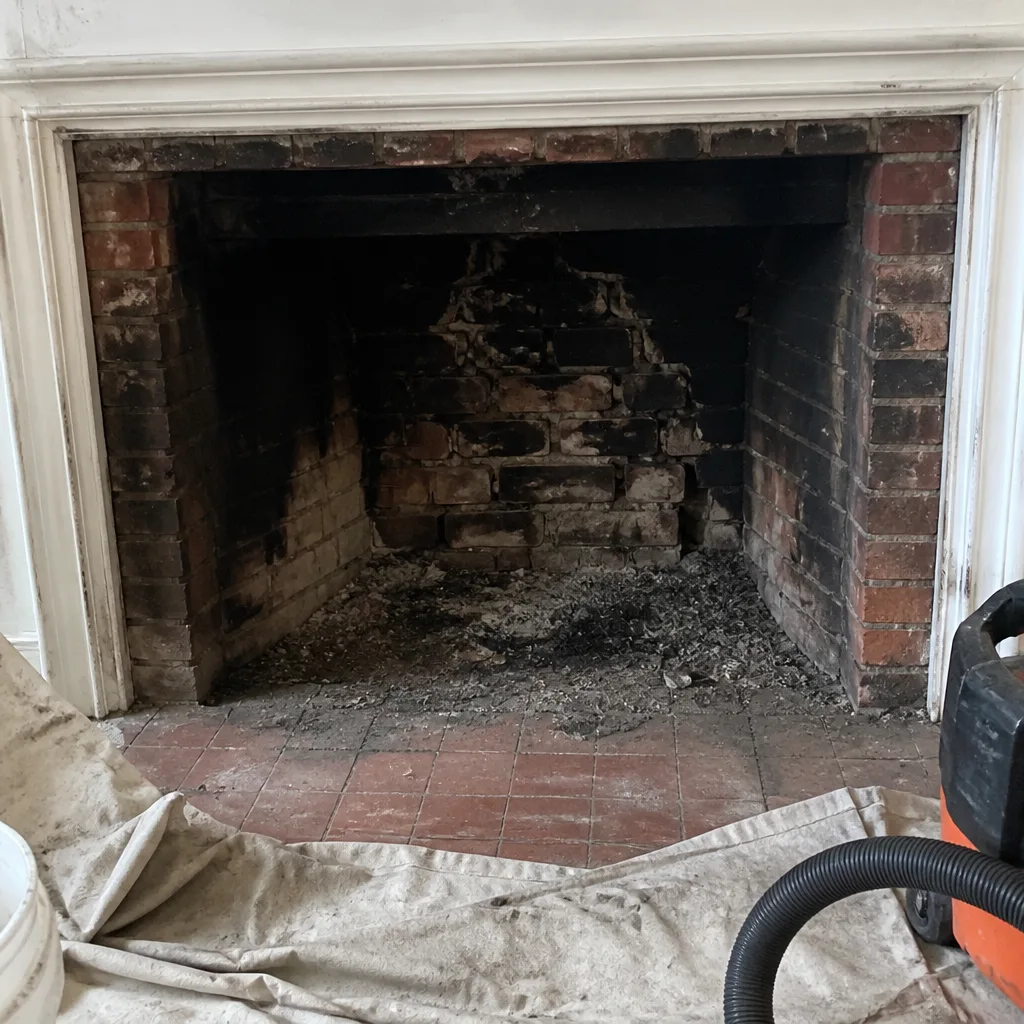
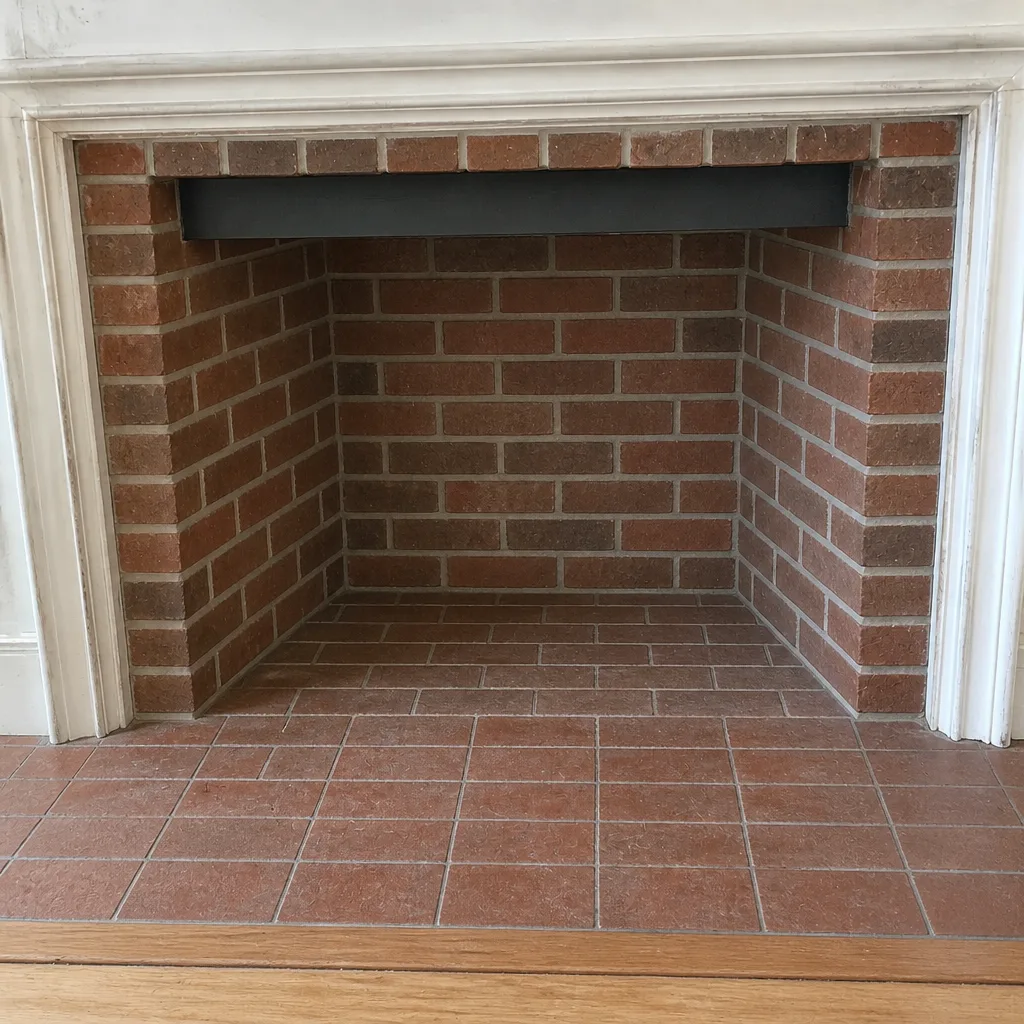
See the difference
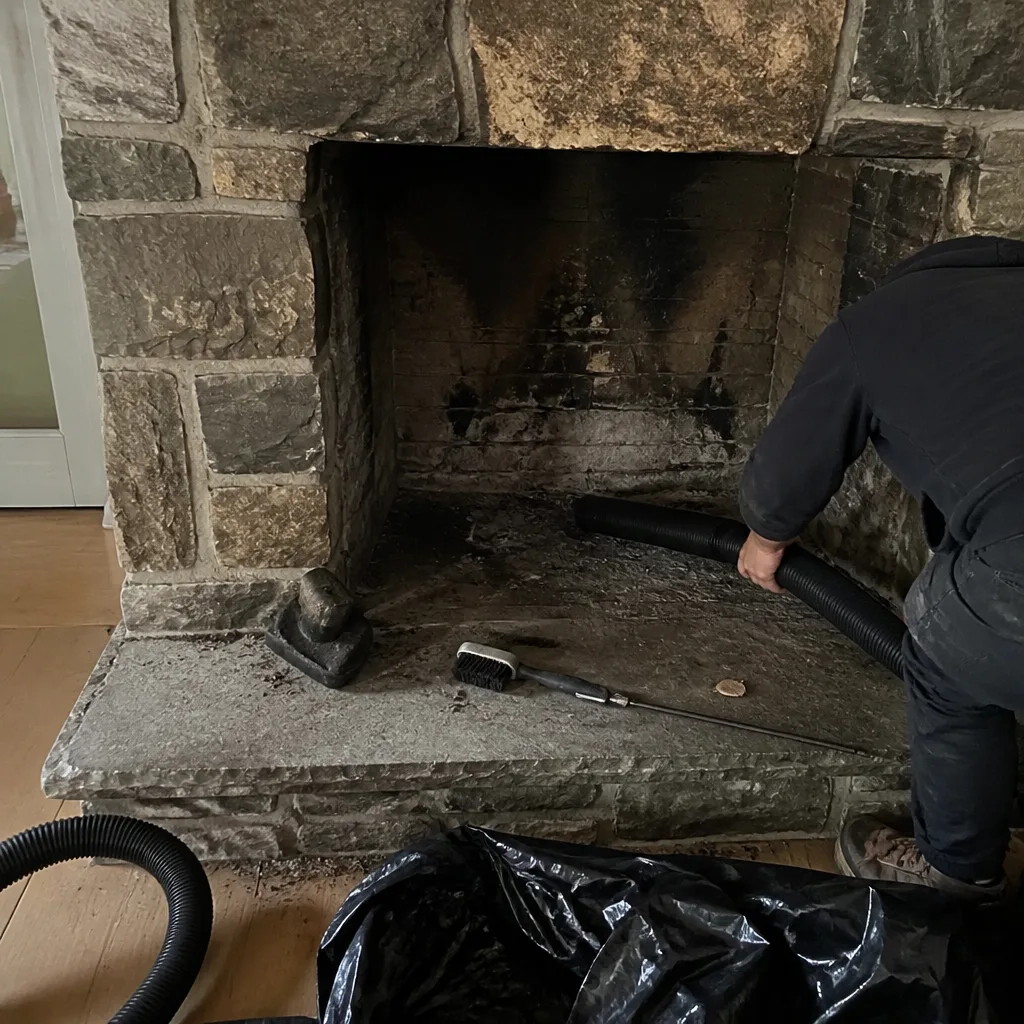 Before
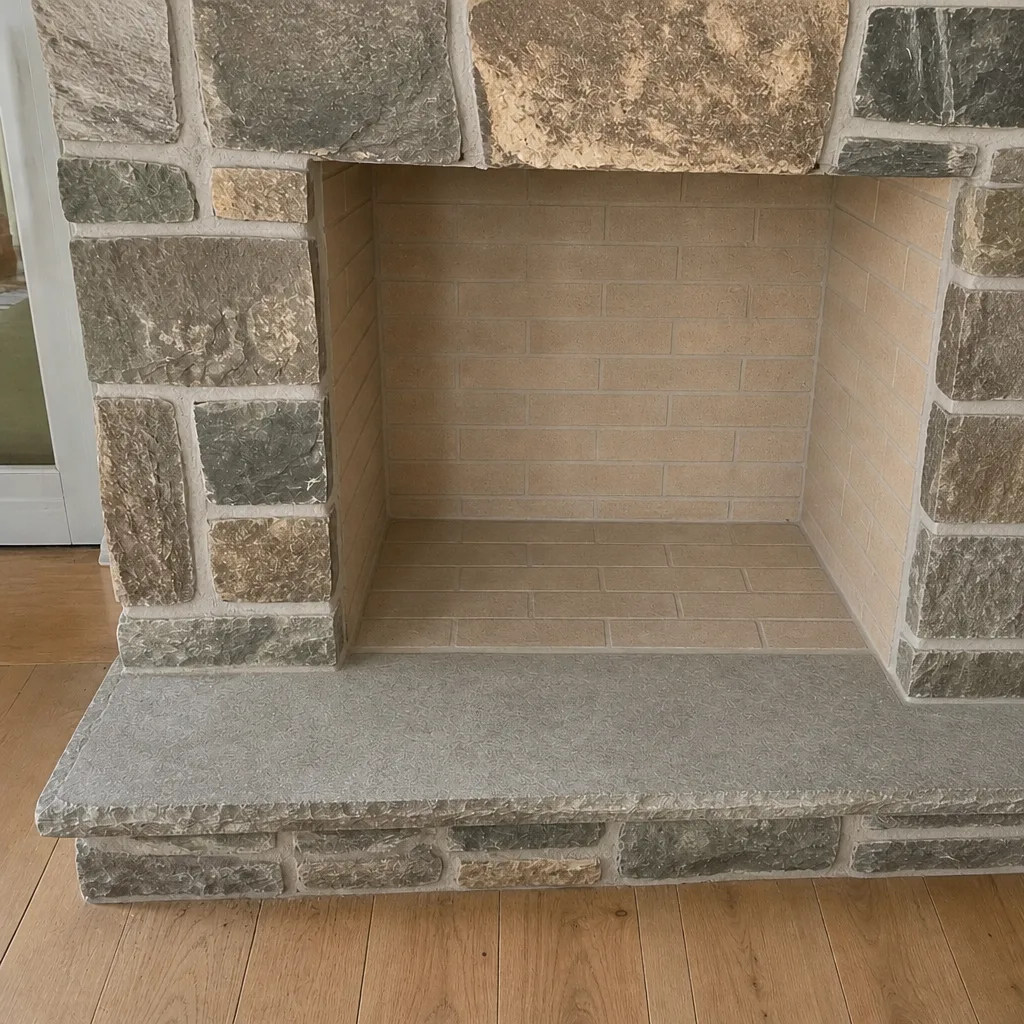 After
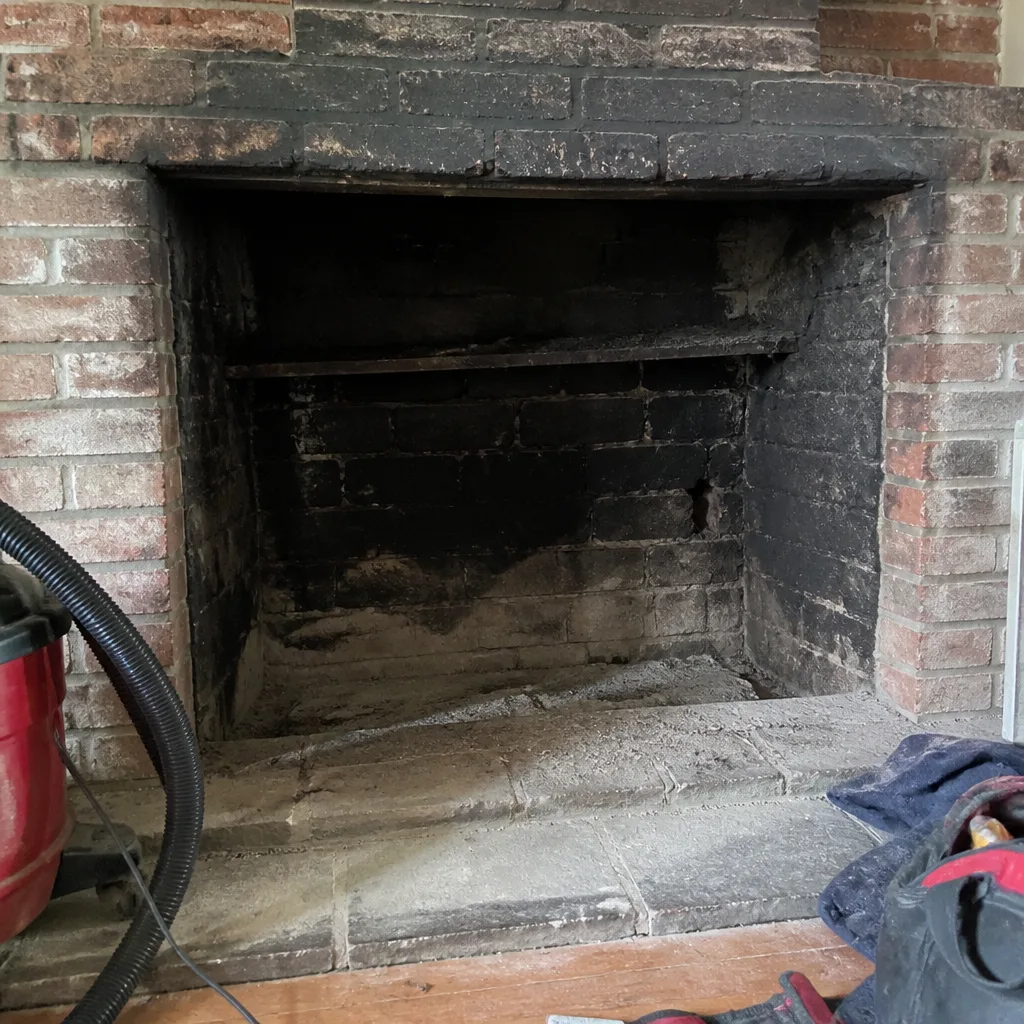 Before
 After
 Before
 After
When to Call a Professional
Some jobs are routine, and some are genuinely dangerous for a homeowner to handle. High-tension work at the top of the flue, rotary tooling inside a fragile liner, and any work on a compromised flue are tasks for a trained professional. Consider a call if any of these apply to you:
- You can’t remember when the chimney was last inspected or swept.
- You smell smoke in the room, or the fire burns poorly and smokes back.
- You’ve noticed water stains, a cracked crown, or a loose cap.
- You’re buying or selling a Riverdale home and need a condition report on the chimney.
- There’s visible soot or glazed creosote build-up.
Chimney Sweep Riverdale offers free estimates in Riverdale – call (888) 848-6804. We answer 24/7 and run fast dispatch from 7am to 7pm, Sunday through Friday (closed Saturday). If the recommendation is a repair, it comes with camera evidence and a written estimate first.
Frequently Asked Questions
Most chimney cleanings run in the low-to-mid hundreds of dollars in this area, and a cleaning bundled with an inspection is often the best value. The written estimate sets the final price, and that estimate is free. Call (888) 848-6804 for a quote.
Inspect once a year, and sweep when the inspection shows a build-up. Heavy-use households and older masonry chimneys in Riverdale tend to need a sweep more often than a home with a smooth modern liner. Call (888) 848-6804 for an exact quote and to book a time.
Only if the camera shows a reason: cracks in the liner tiles, a missing or undersized liner, or a flue in poor enough condition to make gases unsafe. A full liner system is one route; HeatShield in-place resurfacing is another when the existing flue can be restored. We recommend neither without evidence you can see for yourself. Call (888) 848-6804 for a free estimate.
Creosote builds up unhindered, which is the leading factor in chimney fires, and any cracked liner or failing mortar goes unnoticed. In the worst case, a blockage sends carbon monoxide into the home. The risk is real but preventable, and a sweep plus a video scan is how it’s caught. Call (888) 848-6804 for a quote.
A cleaning removes creosote, soot, and debris. An inspection evaluates the condition of the system: the liner, the mortar, the damper, the cap, and the crown. You can book either, and the best results come with both. Call (888) 848-6804 for details.
Yes. Inspection is a standalone service, so you can book a condition report before a home sale or when a full sweep doesn’t apply. A Level 2 inspection with video is the usual choice for a home transfer. Call (888) 848-6804 to set it up.
The Bottom Line
Chimney cleaning in Riverdale is really a check of five zones, not a single brush pass. The firebox, smoke chamber, flue liner, damper, and cap each collect different debris and each can fail in a different way. Riverdale’s tree canopy and older housing stock make those failure points routine. The safe approach is to inspect first and recommend second, backed by video evidence you can see for yourself. A clean chimney is a good start; a clean, structurally sound chimney is the goal. If your fireplace is due for a check, Chimney Sweep Riverdale can walk you through every layer of the system.
Call (888) 848-6804 for a free estimate. We answer 24/7; fast dispatch from 7am to 7pm, Sunday through Friday (closed Saturday). Professional-grade materials, inspected and photographed before a repair is ever recommended.
Written by the team at Chimney Sweep Riverdale.