
Last updated November 25, 2026
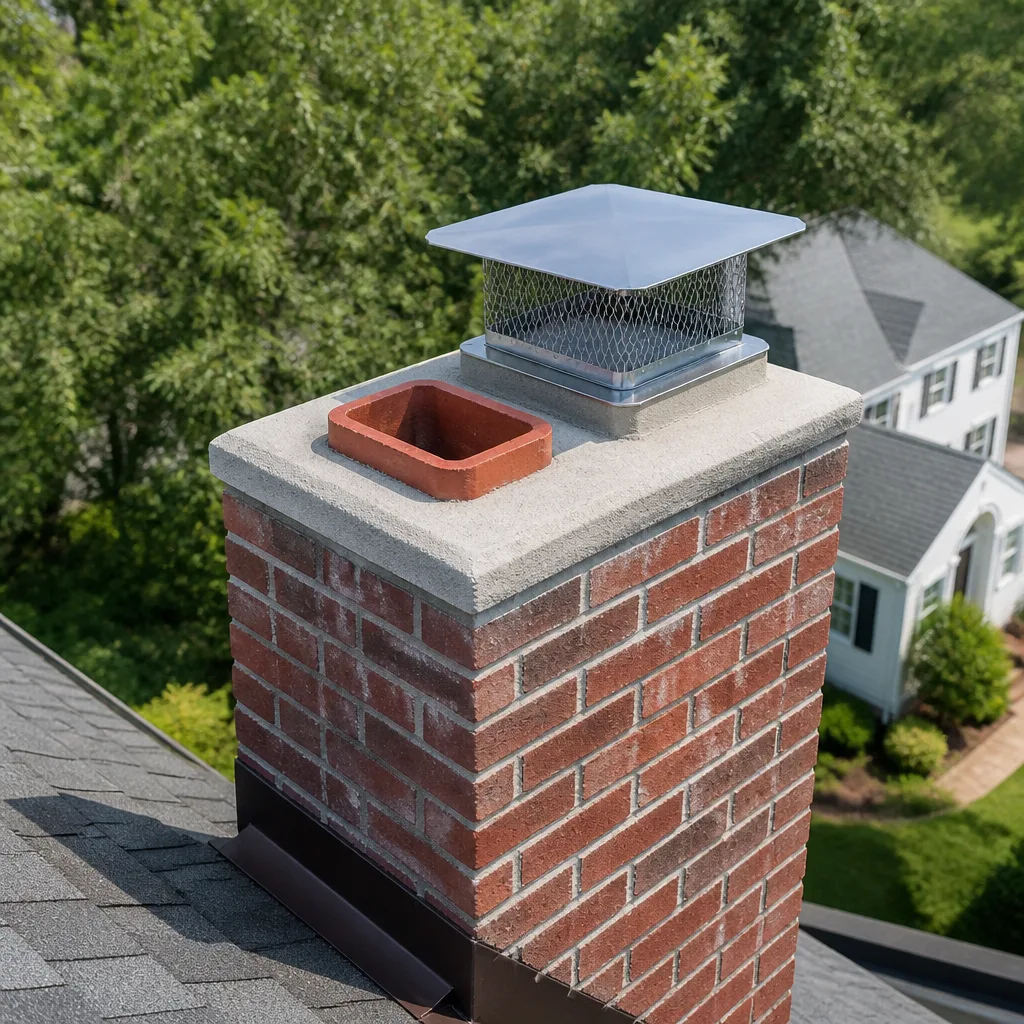 Sweep & inspection
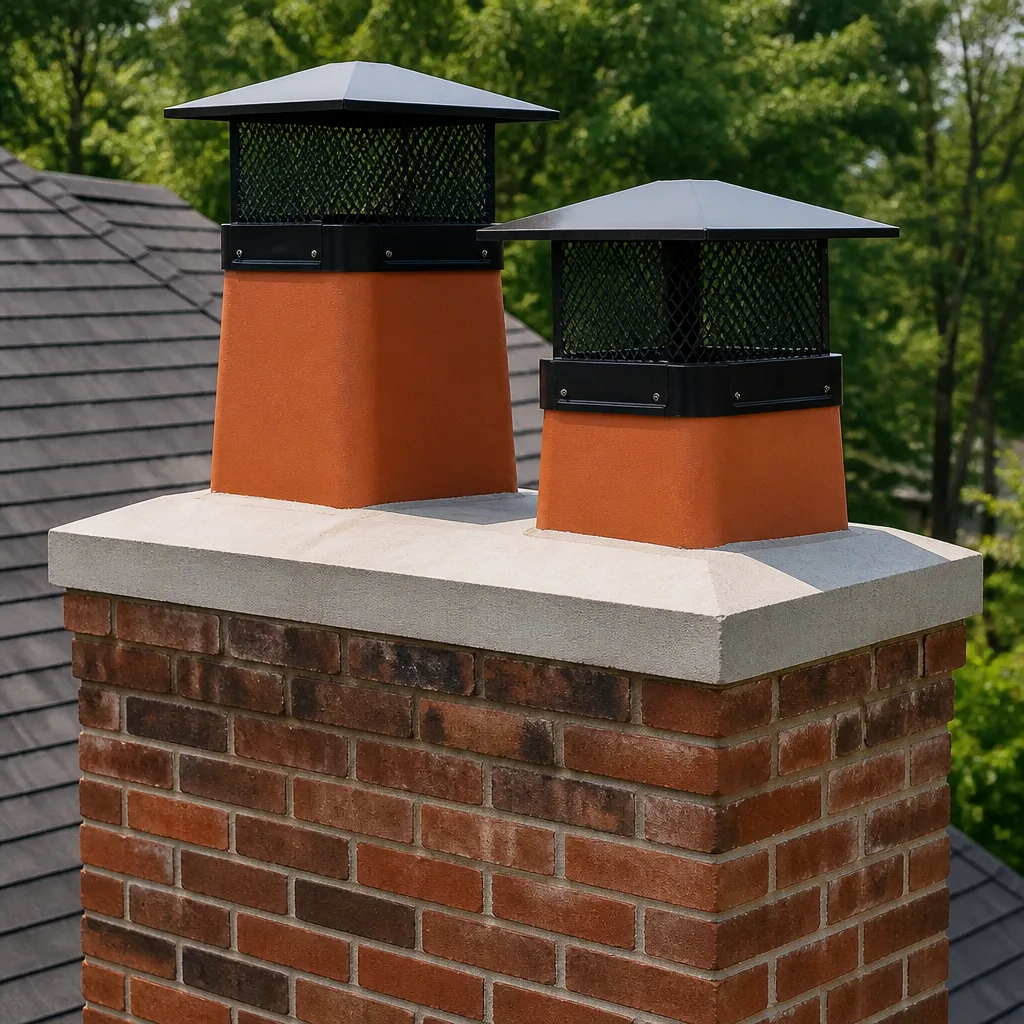 Caps & crowns
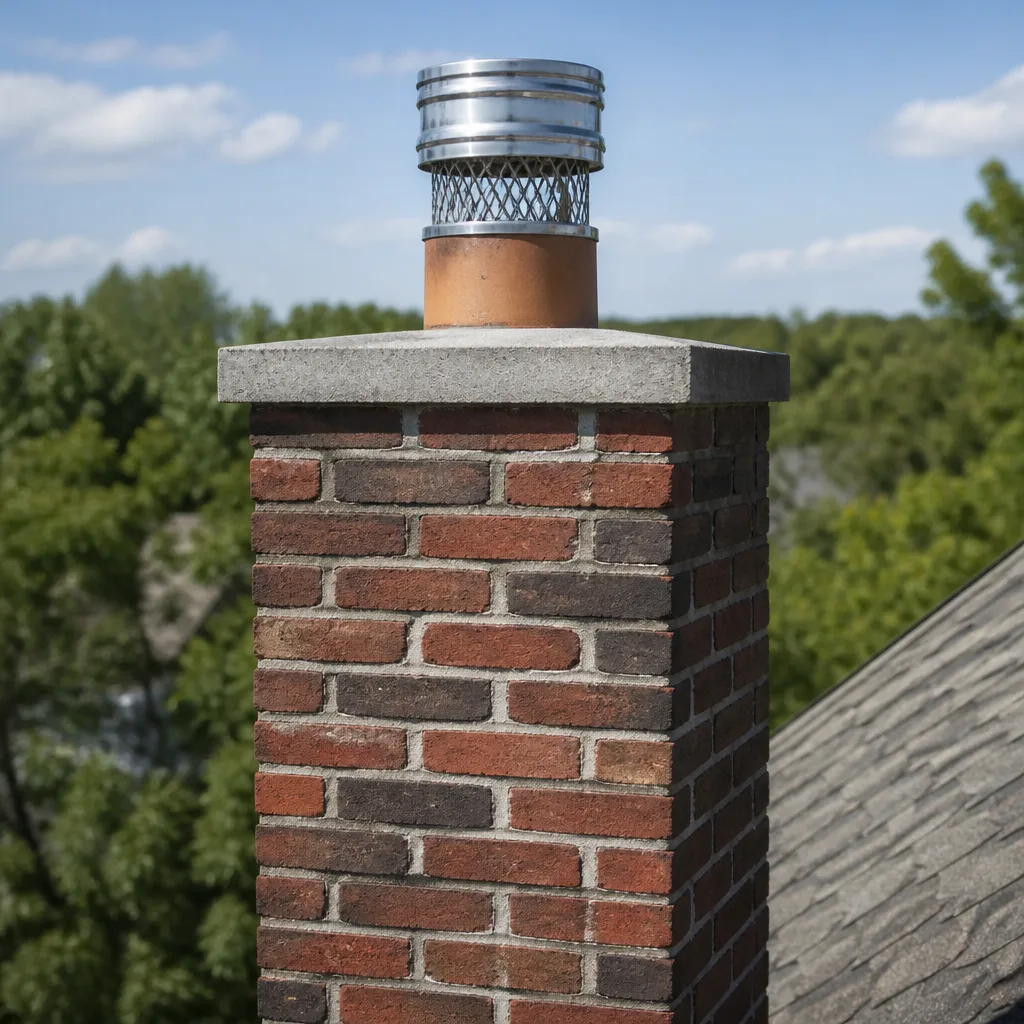 Flue relining
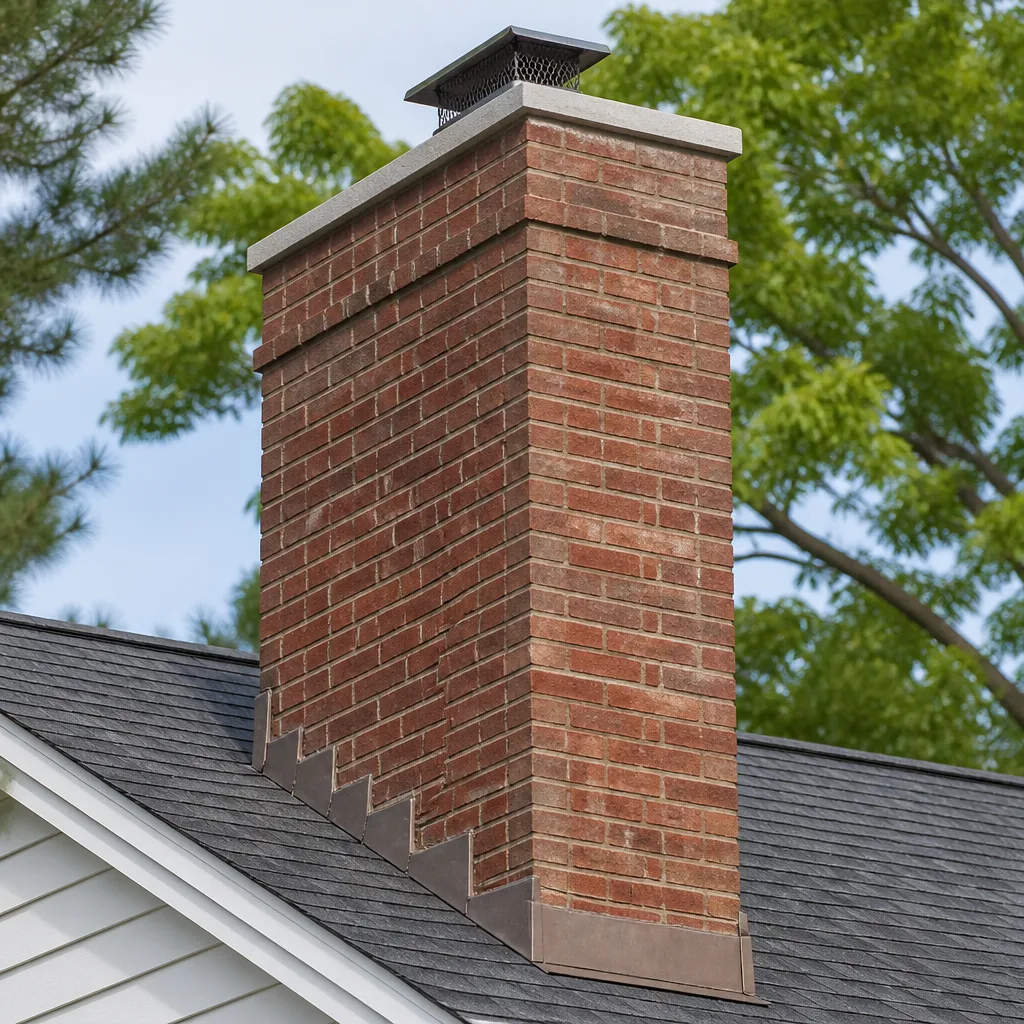 Masonry repair
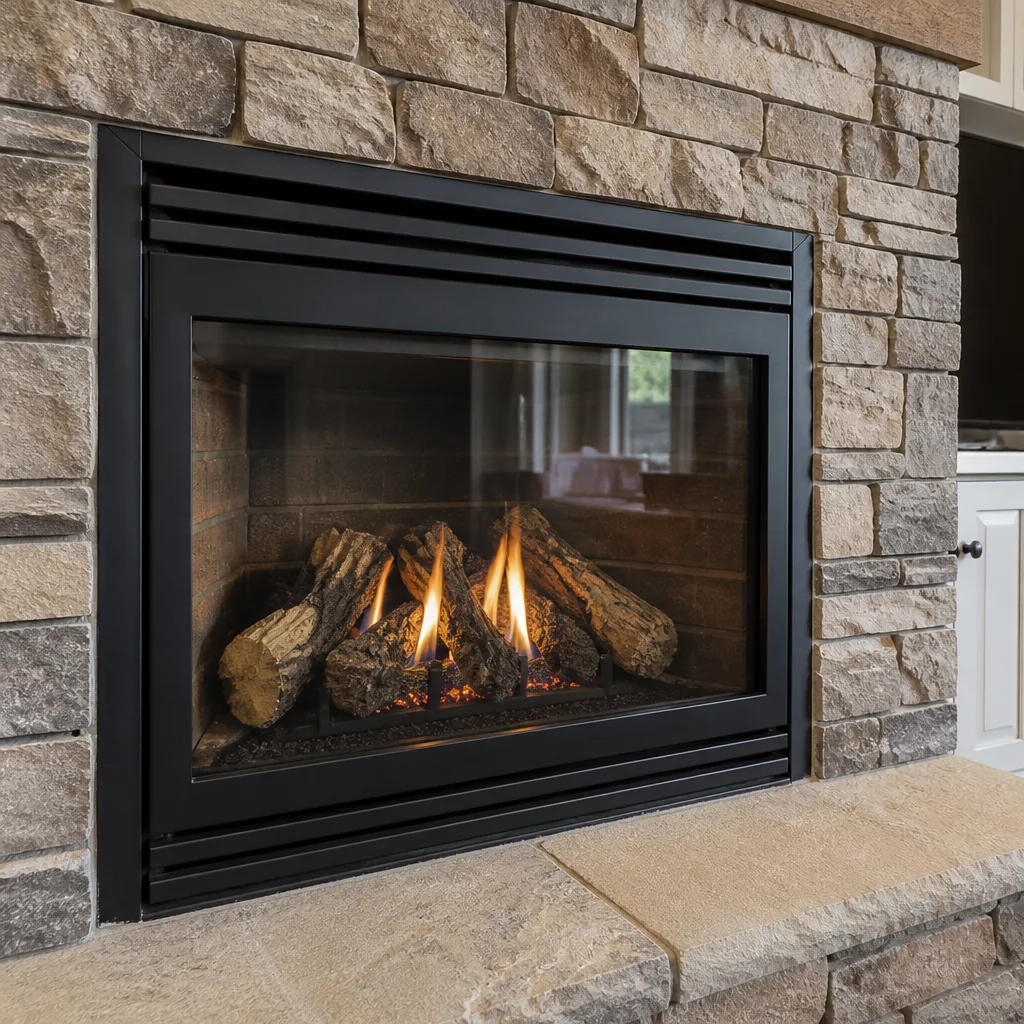 Gas fireplace service
Level 1 sweep and inspection to the NFPA 211 annual standard - flue, crown, cap, and flashing checked and photographed
Chimney sweep logs do not sweep chimneys. They loosen some creosote - which then falls where a brush and vacuum still have to collect it.
Chimney Sweep Maintenance Checklist for Riverdale Homeowners
Most chimney maintenance checklists online were written for suburban wood-burning fireplaces in mild climates. They miss the three items most likely to cause problems in a Riverdale home built before 1970: water getting into cracked masonry crowns, liner systems that were never sized for the appliance now connected to them, and freeze-thaw cycles that work on brick and mortar from October through April. Riverdale’s housing stock is older, its chimneys are often original, and plenty of them have been converted from oil to gas without anyone updating the flue. This guide gives you a month-by-month checklist built around that reality, plus the visual checks you can do yourself from inside the firebox, the gas-specific items most guides skip, and the maintenance tasks that void manufacturer warranties when they’re done wrong or skipped. It’s written from a Riverdale business, for Riverdale homeowners.
Quick Answer
A working chimney maintenance checklist for a Riverdale home covers four things on a recurring schedule: a professional sweep and inspection at least once a year, a visual check of the firebox, damper, and smoke shelf after every cord of wood or at the start of each season, an exterior check of the cap, crown, and flashing before and after winter, and prompt repair of any crack, gap, or loose component before the next freeze. Gas-converted fireplaces need their own annual inspection even though they produce no creosote, because venting and liner condition still matter. Everything else is detail.
Styles & brands we work with
- Sweep & inspection
- Caps & crowns
- Flue relining
- Masonry repair
- Gas fireplace service
Table of Contents
- Riverdale’s Climate Calendar: What to Check Each Month
- What You Can Check From Inside the Firebox Without Tools
- Maintenance for Gas-Converted Chimneys in Older Riverdale Buildings
- Cap, Crown, and Flashing: The Exterior Checks That Prevent Most Water Damage
- Which Maintenance Tasks Void Manufacturer Warranties
- After a Major Storm: Crown Cracking and Flashing Separation
- What a Professional Sweep and Inspection Actually Involves
- Keeping Records That Hold Their Value
Riverdale’s Climate Calendar: What to Check Each Month
Chimney maintenance in Riverdale isn’t a fall and spring job. It’s a year-round sequence, and the items that matter shift as the seasons move. Here’s how we break it down for homes in this neighborhood.
January through March
- Watch for ice dams at the crown. Snow that melts and refreezes along the chimney top is the single best predictor of a spalled crown and cracked mortar joints by spring.
- Listen for a change in draft. A fireplace that worked fine in November but smokes in January is usually telling you the flue is partially blocked or the liner has separated.
- Check the firebox after heavy burning. Holidays mean more fires, and more fires mean more creosote accumulation at the smoke chamber.
April and May
- Book a sweep and inspection before the season ends. Creosote that sat all winter has had months to harden. Spring is when glazed deposits are easiest to catch early.
- Walk the exterior after the last freeze. This is when hairline cracks in the crown open up enough to see.
- Check the damper plate for rust. Spring humidity finds old dampers before anything else does.
June through August
- Do your repair work now. Crowns, caps, flashing, and liner work are all easier to schedule and cure in warm, dry weather.
- Have the flue camera-inspected if you’ve never had it done. Summer is when a liner problem is cheapest to address, because there’s no cold-weather pressure to move fast.
- Look for wildlife entry. Birds and squirrels find uncapped flues in summer. A missing or damaged cap is the most common reason.
September through December
- Sweep before the first burn. Book it early; the weeks before the first cold snap are the busiest of the year for any chimney professional.
- Recheck the cap and crown. A storm in October can loosen a crown that looked fine in July.
- Test the smoke shelf before you light up. A cold firebox with a reversed draft will usually tell you something is off before the first fire does.
This pacing matters more in Riverdale than in a warmer climate because the freeze-thaw window here is long. Every crack that gets water into it in November has four or five months to grow. Catching it in June costs a repair; catching it in March usually means a replacement.
What You Can Check From Inside the Firebox Without Tools
You don’t need a flashlight and a ladder to catch the majority of developing problems. A careful eye inside the firebox, with the fireplace cold and the damper open, will show you most of what an inspection would flag early.
Look up at the liner walls
With a light pointed straight up the flue, look for three things: black, crusty deposits that don’t flake away easily (that’s glazed creosote and it needs a professional sweep), white or gray powder (that’s often water getting in from above), and any visible gap between liner sections. A clay tile liner with a crack running vertically is a real concern, not a cosmetic one. A stainless liner that has separated at a joint is worse.
Check the smoke shelf
The smoke shelf is the flat ledge just behind the damper. It catches debris that comes down the flue: soot, bits of mortar, sometimes nesting material. If yours has a small pile accumulating, something above is deteriorating. Clean it and see if it builds up again within a few months.
Inspect the damper plate
Open and close the damper slowly. It should move without grinding, and it should seal against the frame when closed. Rust spots on the plate are a sign of moisture, which usually traces back to a missing cap, a failed crown, or condensation from a gas appliance running without proper venting. A damper that won’t fully close means you’re losing heat up the flue every hour the fireplace isn’t in use.
Examine the firebox walls
Hairline cracks in firebrick are normal. Cracks wider than a coin, crumbling mortar joints, or any place where you can see the brick behind the firebrick are not. Those need a professional look before the next fire. In older Riverdale homes with a firebox that’s been rebuilt at some point, the firebrick and the mortar don’t always age at the same rate, so a well-built firebox can still show deterioration along one side.
These four checks take about five minutes. Done monthly, they’ll catch most developing issues long before they become repairs. Our technicians have up to 13 years of experience and know exactly what separates a cosmetic crack from a structural one, but the checks above give you a starting point.
Maintenance for Gas-Converted Chimneys in Older Riverdale Buildings
Plenty of chimneys in Riverdale were built for oil or wood and later converted to gas. Gas fireplaces and gas furnace flues behave differently in ways that standard chimney maintenance guides don’t always address. If your fireplace was converted, or if you have a gas boiler venting through the chimney, these items apply specifically to you.
Gas produces no creosote, but it produces water
Burning gas creates water vapor as a byproduct. In a flue that was sized for a wood fire, the gas exhaust cools before it reaches the top of the chimney and condenses on the liner walls. Over years, that condensation combines with sulfur compounds in the gas and corrodes masonry and mortar from the inside. That’s why a gas-converted chimney in an older building often needs a properly sized liner even though there’s nothing to sweep. If your gas appliance is connected to the original clay flue, have the liner inspected and sized by someone who knows the difference.
Check the vent connector annually
On a gas appliance, the metal vent connector between the appliance and the chimney is the most common single point of failure. Look for rust, sag, or separation. Any of these is a carbon monoxide risk, and the fix is usually straightforward.
Watch for a draft reversal
Gas appliances rely on steady draft. In a Riverdale building where a heating system was changed or another flue in the same chimney was abandoned, the balance of pressure can shift and pull exhaust the wrong way. If you smell gas or combustion byproducts inside the room when the appliance runs, stop using it and call for an inspection. That’s a safety issue, not a maintenance item.
Confirm the cap is correct for the appliance
Not every cap suits every appliance. Gas appliances need the right clearance above the flue opening for exhaust to clear, and a cap that worked for a wood fire may not vent properly for gas. When we spec a chimney cap & crown for a gas-converted chimney, we choose Gelco or Famco components matched to the appliance, not just the flue diameter.
We see this pattern often in Riverdale: a pre-war building with a chimney that was originally designed for coal, converted to oil, then converted again to gas. Each conversion changed what the flue was being asked to do. The maintenance checklist has to reflect what’s actually connected now, not what the chimney was built for.
Cap, Crown, and Flashing: The Exterior Checks That Prevent Most Water Damage
Most chimney repairs we see in Riverdale trace back to water. Not fire. Water. And almost all of it enters through three places: a missing or damaged cap, a cracked crown, and failed flashing at the roof line.
The cap
A chimney cap does two jobs: it keeps rain out of the flue, and it keeps animals out. A cap should sit with clearance above the flue opening and a screen on the sides. If your cap is missing, bent, rusted through, or has a screen that’s torn or packed with debris, it’s not doing either job. A cap that fits badly can also restrict draft, which is worse than no cap on a working fireplace. We install caps from Gelco and Olympia Chimney, which hold up against the freeze cycles and wind gusts this region gets.
The crown
The crown is the sloped concrete or mortar surface on top of the chimney. Its job is to shed water away from the flue and the brick. Crowns crack from freeze-thaw cycling. Once a crack is present, water enters the brick below, freezes, expands, and spalls the face of the masonry off. This is exactly the damage pattern we see on chimneys in Riverdale that are 60 or 70 years old and have never had the crown repaired. A cracking crown is a maintenance item when you catch it early. It’s a rebuild when you don’t.
The flashing
Flashing is the metal where the chimney meets the roof. It’s caulked and sealed, and both of those fail over time. The tell is water staining on the ceiling or a damp patch on the chimney breast several feet below the roof line. Flashing failures are more common after a winter with heavy ice. They’re also easy to miss because the leak shows up well below where the problem is.
A simple exterior check, twice a year
- Stand back from the house and look at the chimney top with binoculars. Is the cap intact and square on the flue?
- Look at the crown for visible cracks, especially at the corners where it meets the brick.
- Check the sides of the chimney for any missing mortar joints or areas of spalled brick face.
- Look at the flashing from the roof level if it’s accessible safely. If it isn’t, don’t climb. Have it checked as part of an inspection.
- Check that the spark screen is in place and not caked with soot or debris.
Binoculars from the ground catch about 80% of these issues before they become repairs. The rest require someone on the roof who can do it safely. If you’d rather have it looked at by a professional, our chimney repair service covers crowns, flashing, and masonry, all with a written scope before any work starts.
Which Maintenance Tasks Void Manufacturer Warranties
Most chimney product warranties are written to protect against manufacturing defects, not installation errors or skipped maintenance. If you have a liner or cap install and something goes wrong later, whether the warranty applies often depends on how it was maintained. Here’s what we’ve seen void coverage on the systems we install.
Liner systems (HeatShield, DuraFlex, Olympia Chimney)
- Sweeping with the wrong brush. A wire brush used on a stainless or resurfaced liner will abrade the surface and void the manufacturer’s coverage. Liners need a poly brush and someone who knows which one to use.
- Missing annual inspection. Most liner warranty terms require the system to be inspected and cleaned on a regular schedule. Skipping years because “it doesn’t look dirty” is the most common reason a legitimate claim gets denied.
- Burning unseasoned wood. Wet wood produces more creosote and more corrosive byproducts, which stresses the liner beyond what it was designed for. Liner warranties typically exclude damage from fuel that doesn’t meet the appliance’s spec.
- Improper connection at the appliance. If the liner is disconnected or replaced by someone who isn’t trained on the specific system, coverage typically ends at that point.
Caps and crowns (Gelco, Famco, Copperfield)
- Sealing a cap or crown with the wrong caulk. Hardware-store silicone doesn’t hold up to the temperature swings a chimney crown sees. If you have a crack sealed with an inappropriate product and it fails, the manufacturer won’t cover the failure.
- Power washing a crown. Aggressive washing drives water into the crack it was meant to seal. Hand cleaning and a proper crown coating or repair is the correct approach.
- Painting over a spalled crown. Cosmetic fixes over real deterioration mean the failure keeps growing underneath. When the crown eventually fails, warranty coverage is typically refused because the deterioration was ignored.
Resurfaced liners (HeatShield)
HeatShield resurfacing is designed to restore a damaged clay flue without full replacement. Warranty terms require the underlying flue to be properly evaluated and prepared first. If a resurfacing is applied over a flue with a structural problem that wasn’t addressed, the coverage is void. That’s why we inspect with a camera before recommending resurfacing, and why we won’t apply HeatShield to a flue that shouldn’t receive it.
We specify our brands because they publish clear warranty terms and stand behind them. When we’re on a job, we document the condition we found, so there’s a record of what the system looked like when it went in. That protects both of us.
After a Major Storm: Crown Cracking and Flashing Separation
Northeast storms are hard on chimneys. Wind pulls at caps and flashing, rain drives into any crack that’s already open, and the freeze that follows a storm in this region turns a hairline crack into a real one. Here’s what to check after a heavy storm.
A post-storm walk-around, inside and out
- Look at the ceiling and chimney breast inside the house. Water staining, a damp patch, or a musty smell near the chimney after rain usually means water is getting in at the flashing or the crown.
- Check the firebox and damper for debris. Storms can send pieces of masonry or cap material down the flue. If you find mortar chunks or any metallic debris in the firebox, don’t light a fire until the flue has been inspected.
- Walk the exterior with binoculars. Look for a cap that has shifted, a crown that’s now visibly cracked, or missing pieces of spark screen.
- Check for flashing separation. If you can see the flashing from ground level, look for a visible gap between the metal and the roof or the chimney. A lifted flashing edge is a water channel into the roof.
- Look at the ground at the base of the chimney for fallen mortar or brick pieces. This is a sign the exterior masonry took a hit.
- Listen for a change in draft when you next light a fire. Any noticeable change in how the fireplace draws is worth an inspection.
What “took a hit” actually means for a chimney crown
A crown that survived 20 freeze-thaw cycles without visible cracks can open a new crack after a single storm that drops several inches of rain and then freezes. The mechanism isn’t dramatic. Water enters at the edges of the crown where it meets the brick, freezes overnight, and lifts a section slightly. The next thaw and refreeze widens the gap. Within two winters, that crack usually reaches the flue, and now water is going down the chimney. If you find a new crack after a storm, have it sealed or repaired before the next freeze. This is one of those repairs that genuinely can wait a few weeks if the forecast is dry, and genuinely can’t wait if the forecast isn’t.
If you’re unsure whether what you’re seeing is a real problem, call us. We answer 24/7 and we’re happy to tell you over the phone whether you need to act now or whether it can wait for a scheduled visit.
What a Professional Sweep and Inspection Actually Involves
A chimney sweep in Riverdale isn’t just a brush on a rod. A proper visit covers the full system from the firebox to the cap, and it gives you a written record of what was found. Here’s what a real sweep and inspection looks like.
The sweep itself
Sweeping removes creosote and soot from the flue walls, the smoke chamber, the smoke shelf, and the firebox. On a wood-burning fireplace, the technician will use a poly brush on a rod, with a drop cloth and vacuum set up to keep soot out of the room. On a gas appliance, there’s nothing to sweep from combustion, but the vent connector and the appliance connection still get checked. The flue is then inspected visually, usually with a camera.
The inspection
Inspection covers the firebox, the damper, the smoke chamber, the flue liner, the crown, the cap, the flashing, and the exterior masonry. On a proper inspection, the technician documents what was found and shows you the photo record before recommending any work. This is the part of the visit where most homeowners get upsold on work they can’t verify. You should never have to take that on faith. At Chimney Sweep Riverdale, we don’t recommend anything we can’t show you on camera, and if a repair can safely wait, we tell you so.
Do you need sweeping if you’re on gas?
Not for creosote, no. But you do need an inspection, because venting and liner condition matter on gas just as much as on wood. The chimney sweep service is usually paired with an inspection anyway, and if you’ve already had one recently, an inspection alone is fine.
How often is often enough?
For a wood-burning fireplace in regular use, once a year is the standard, and more often if you burn heavily. For a wood-burning insert that runs most of the winter, twice a year is safer. For a gas fireplace or gas appliance, an annual inspection is enough. For an unused chimney, an inspection every two to three years is a reasonable pace to catch a crown or cap problem before it causes damage.
Our technicians have up to 13 years of experience and routinely handle inspections in Riverdale homes with liner systems of every type, including HeatShield resurfacing, DuraFlex, and Olympia Chimney systems that were installed elsewhere. Inspect first, then recommend. That’s the order we work in.
Keeping Records That Hold Their Value
Chimney maintenance records matter more than most homeowners realize. If you ever sell the house, a buyer’s inspector will ask about the chimney. If a warranty claim comes up, the manufacturer will want to know when the last inspection happened. If a repair was done years ago, the record tells the next technician what’s there.
What to keep
- The date of each sweep and inspection, and who performed it
- Any photo record the technician provided
- Copies of repair receipts and warranty documentation
- The brand and model of any liner or cap that was installed
- Notes on what was found, even if nothing was repaired
Having this in one folder, paper or digital, takes about ten minutes to set up and saves hours of confusion later. It also upgrades the value of the house at sale: a documented chimney system is easier to sell than one a buyer has to assume is fine.
Our Chimney Sweep Riverdale team provides a written record with every visit, so the file builds itself. You don’t have to remember what was found two years ago. It’s there.
Common Mistakes to Avoid
- Treating gas like wood and skipping the annual inspection. Gas doesn’t produce creosote, but it does produce water vapor that corrodes the flue. A gas-converted chimney in an old Riverdale building is often the one that needs the most attention, not the least.
- Sealing a crown crack with hardware-store caulk. It won’t survive the temperature swings this region sees. A proper crown repair uses materials rated for the exposure, and a quick silicone fix usually fails within a season.
- Burning unseasoned or “free” wood. Wet wood puts more creosote into the flue and more stress on the liner. In a chimney with an older liner, that accelerates everything the system was already dealing with.
- Making repairs based on a phone quote without photos. If someone tells you your liner needs to be replaced and can’t show you a photo of the problem, get a second opinion. The camera should come out before any recommendation.
- Waiting until the first cold snap to book a sweep. Every chimney professional in this area is booked up by mid-October. Line up your sweep in August or September and you’ll have the whole season to deal with anything it turns up.
- Ignoring a change in draft. A fireplace that worked fine last year but smokes this year is telling you something. That’s usually a partially blocked flue or a liner issue, and it’s worth an inspection.
- Climbing the roof to “just look” at the cap. Chimney tops are among the most dangerous parts of any roof to inspect. Binoculars from the ground catch most problems. Anything that needs someone up close should be handled by a trained professional.
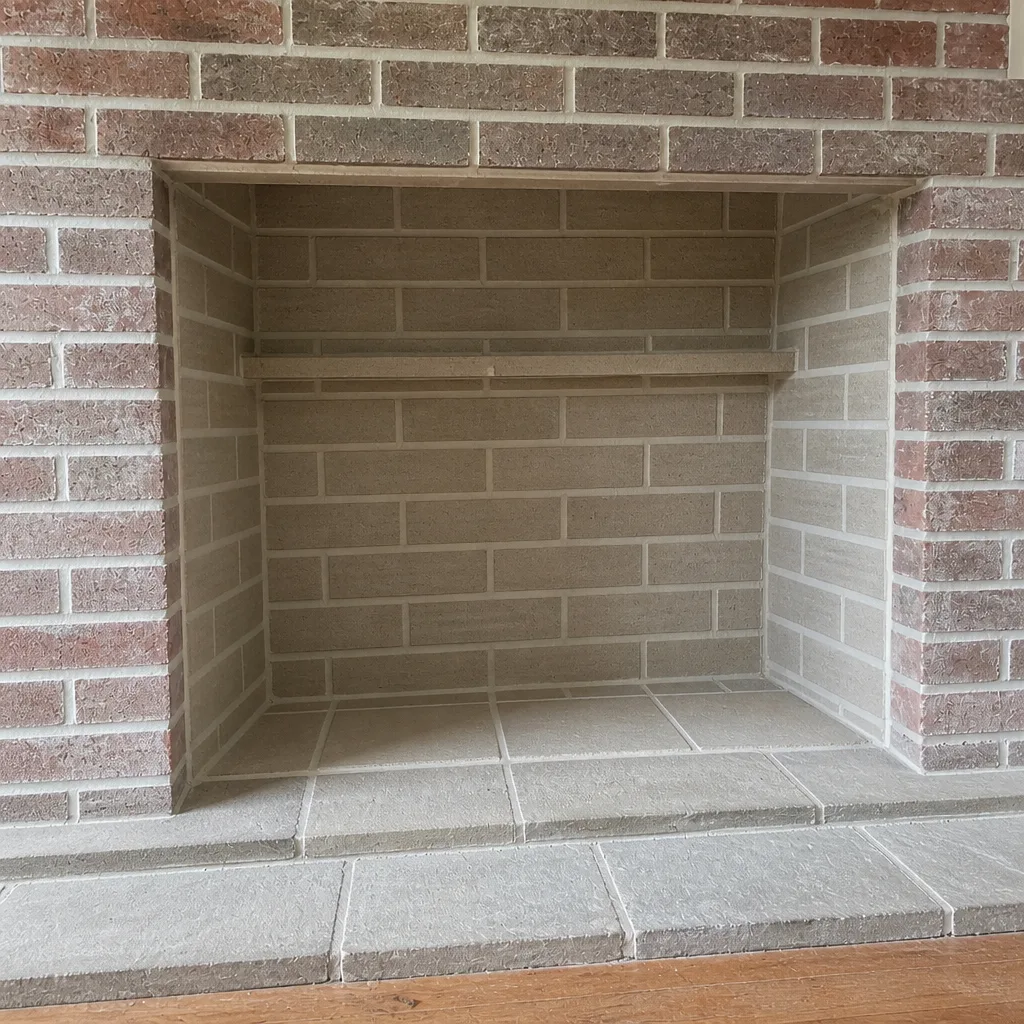
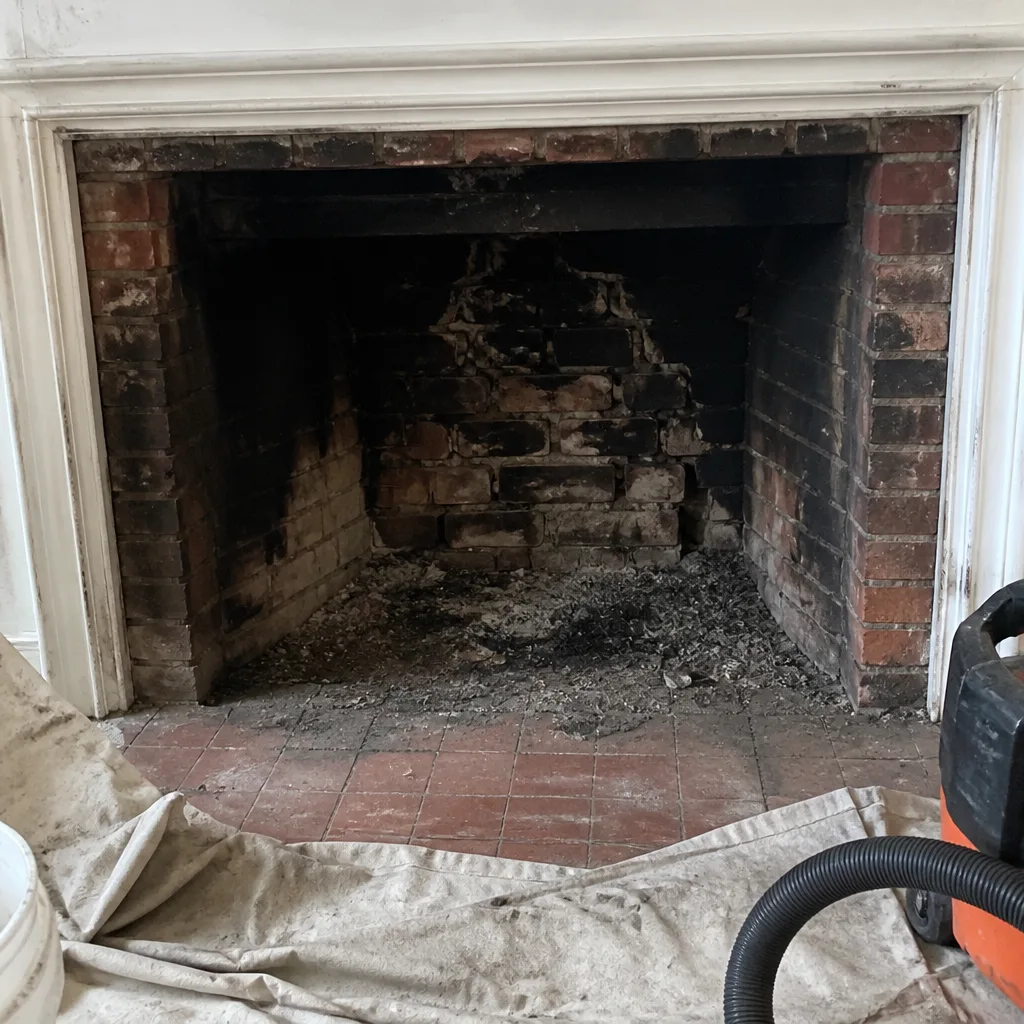
See the difference
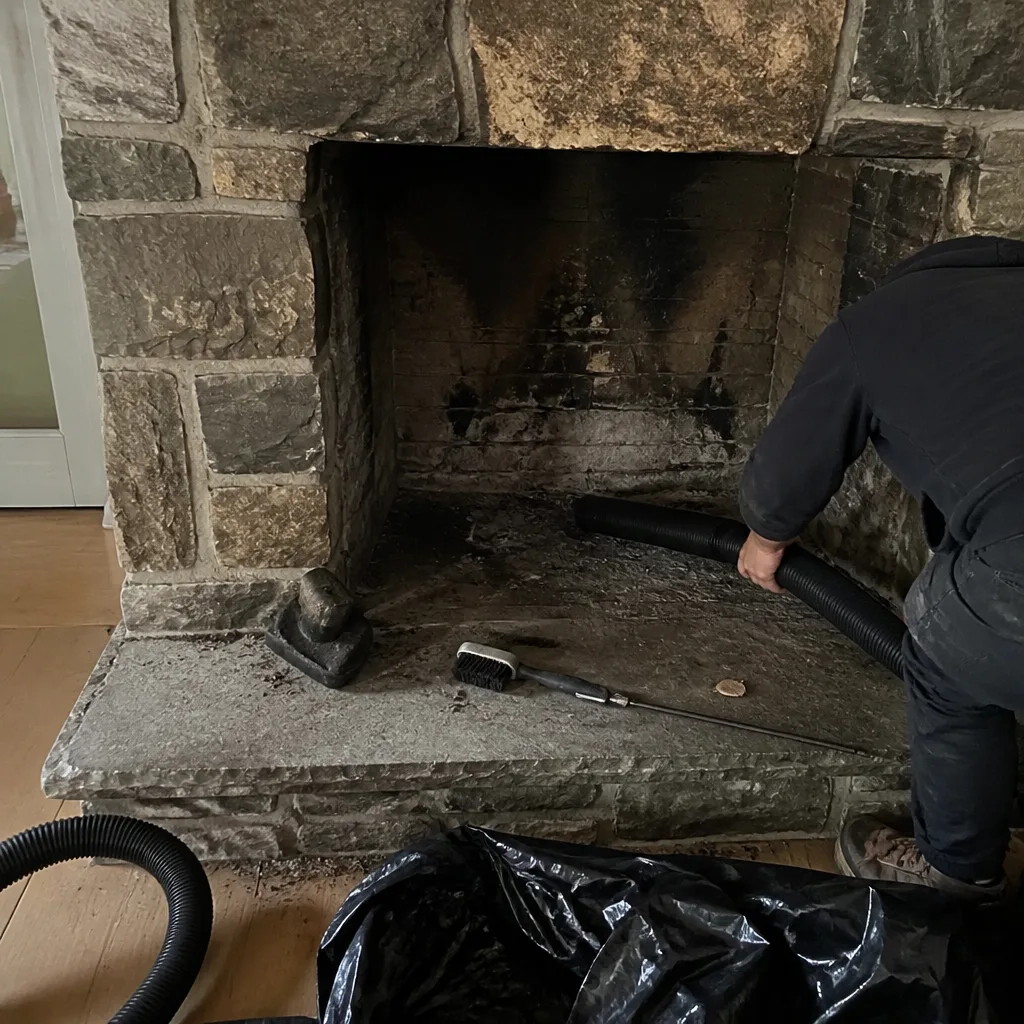 Before
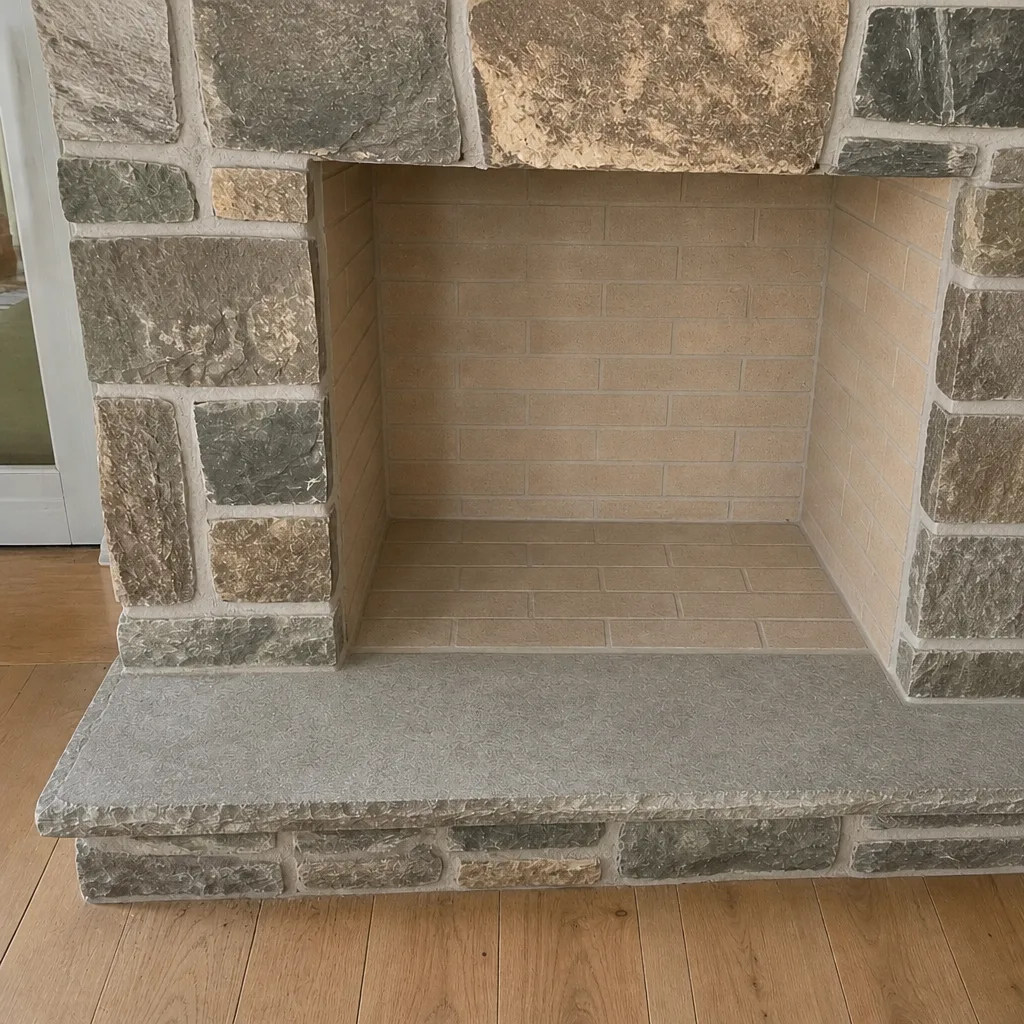 After
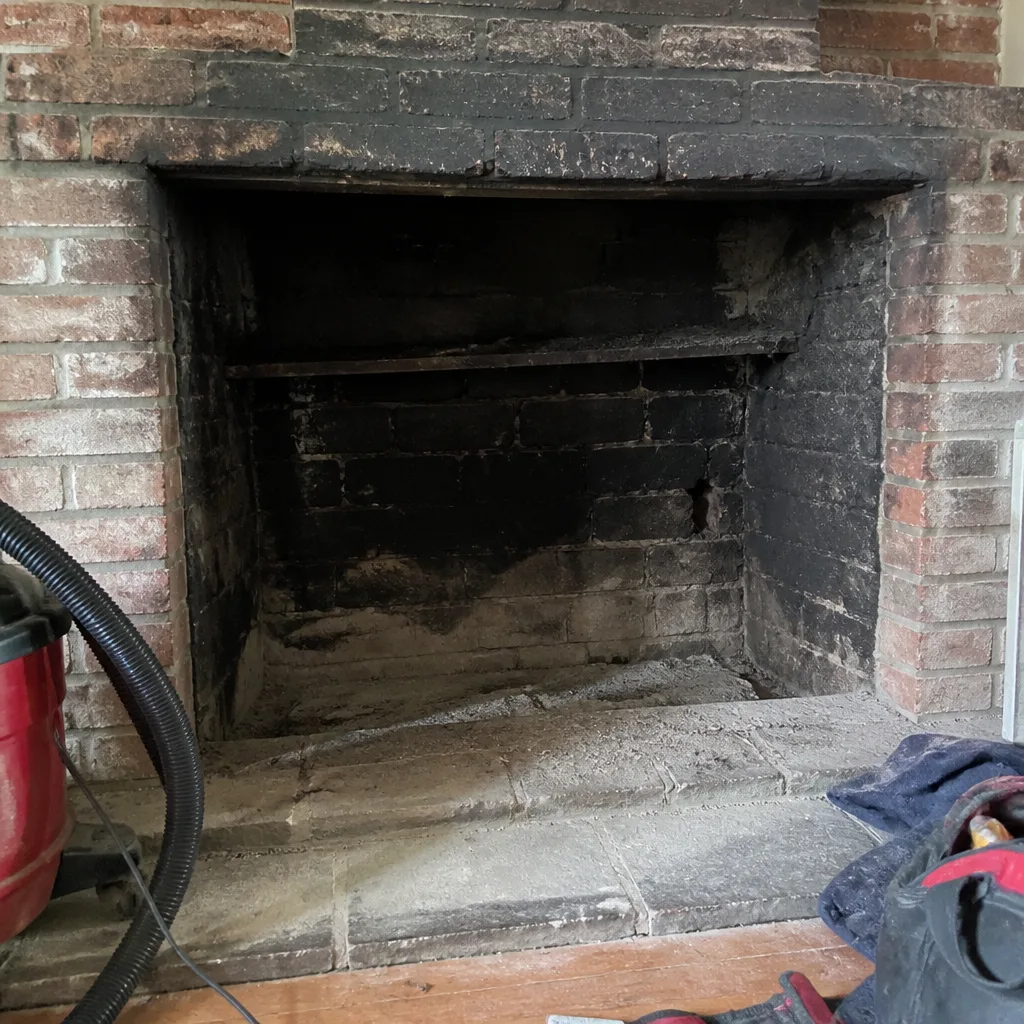 Before
 After
 Before
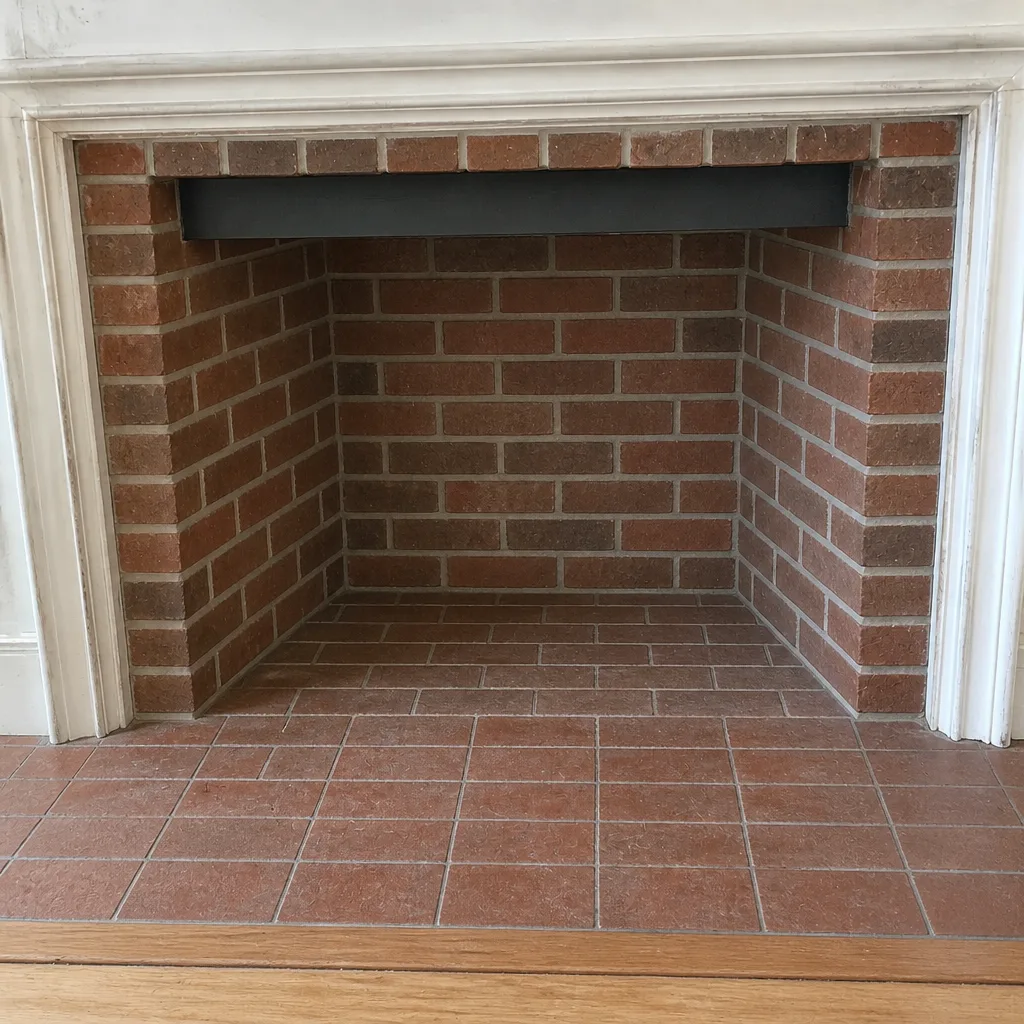 After
When to Call a Professional
Call a professional chimney service when any of these come up: you’ve never had the chimney inspected and don’t know its condition, you’ve moved into a home in Riverdale with a chimney of unknown history, you smell smoke or gas inside the room when the fireplace isn’t in use or the appliance is running, you see water staining near the chimney or a damp patch on the chimney breast, your cap is missing or visibly damaged, the crown has a visible crack, or more than a year has passed since the last sweep. Any of these is a reason to book, not a reason to wait.
Chimney Sweep Riverdale offers free estimates in Riverdale. Call (888) 848-6804. We answer 24/7. Fast dispatch from 7am to 7pm, Sunday through Friday.
Frequently Asked Questions
Once a year for a wood-burning fireplace in regular use, and twice a year if you burn heavily or run an insert most of the winter. Gas-converted fireplaces don’t need sweeping for creosote but should be inspected annually. Homes with original clay liners and older masonry benefit from annual inspections even if the last sweep was recent. Call (888) 848-6804 – estimates are free.
Most of the time, no. A clay flue with a hairline crack in one tile can often be resurfaced with HeatShield, and a properly sized gas appliance on an older flue may need a new liner but not necessarily a full rebuild. The only way to know is a camera inspection. We show you the photo before we recommend anything, and we’ll tell you if a repair can safely wait. Call (888) 848-6804 for an inspection with a written report.
Skipping maintenance doesn’t cause a problem overnight, but it lets small problems grow through the freeze-thaw cycle. The most common outcomes are a crown crack that spreads into a repair, a missing cap that lets water and animals into the flue, and glazed creosote that becomes harder to remove over time. None of these are immediate emergencies. They’re expensive later and cheap now. Call (888) 848-6804 to schedule before the next season.
Yes, in ways that affect maintenance. Gas exhaust carries water vapor that condenses on the flue walls and corrodes masonry from the inside, especially when a gas appliance is connected to a flue sized for wood. That means a gas-converted chimney usually needs a properly sized liner even though there’s no creosote to sweep. It also needs an annual inspection of the vent connector and the flue itself. Call (888) 848-6804 if you don’t know what your gas appliance is venting through.
Water getting into the crown. Almost every older chimney we inspect in Riverdale has some crown cracking, and it’s almost always the entry point for the masonry damage below it. Cap problems and flashing separation are close behind. All three are exterior items you can catch with binoculars from the ground before they show up as a repair inside the house.
Yes, for the interior visual checks: liner walls from the firebox, smoke shelf, damper plate, and firebox brick. Those catch a lot of developing issues. What you shouldn’t do yourself is climb the roof to inspect the cap, crown, or flashing, or attempt to sweep or repair anything inside a flue that’s already showing damage. Those are the parts where a fall or a missed structural problem is a real risk. Call (888) 848-6804 if you’d rather have a professional do the whole check with a camera and a written report.
The Bottom Line
Riverdale chimneys don’t follow a generic maintenance template. The climate here puts a chimney through a long freeze-thaw season, the housing stock is older than most of the country’s, and plenty of systems have been converted from oil to gas without anyone resizing the flue. The checklist that actually works for a Riverdale home is month-by-month, includes the interior visual checks you can do yourself, folds in gas-specific inspection items, and treats the cap, crown, and flashing as a routine part of maintenance rather than a repair you get to only after the water damage appears. Do the five-minute checks once a month, book a professional sweep and inspection once a year, and deal with cracks and gaps before the next freeze. That’s the whole program.
Written by the team at Chimney Sweep Riverdale.
Get a Free Estimate
If you’re due for a sweep, an inspection, or a look at the crown and cap before the next season, call Chimney Sweep Riverdale at (888) 848-6804. We’ll inspect first and recommend only what the camera shows. Every visit comes with a written record, a photo report, and a flat-price scope agreed before any work starts. Estimates are free. We answer 24/7. Fast dispatch from 7am to 7pm, Sunday through Friday. One visit to sweep, inspect, and repair if needed, from the firebox to the cap.