
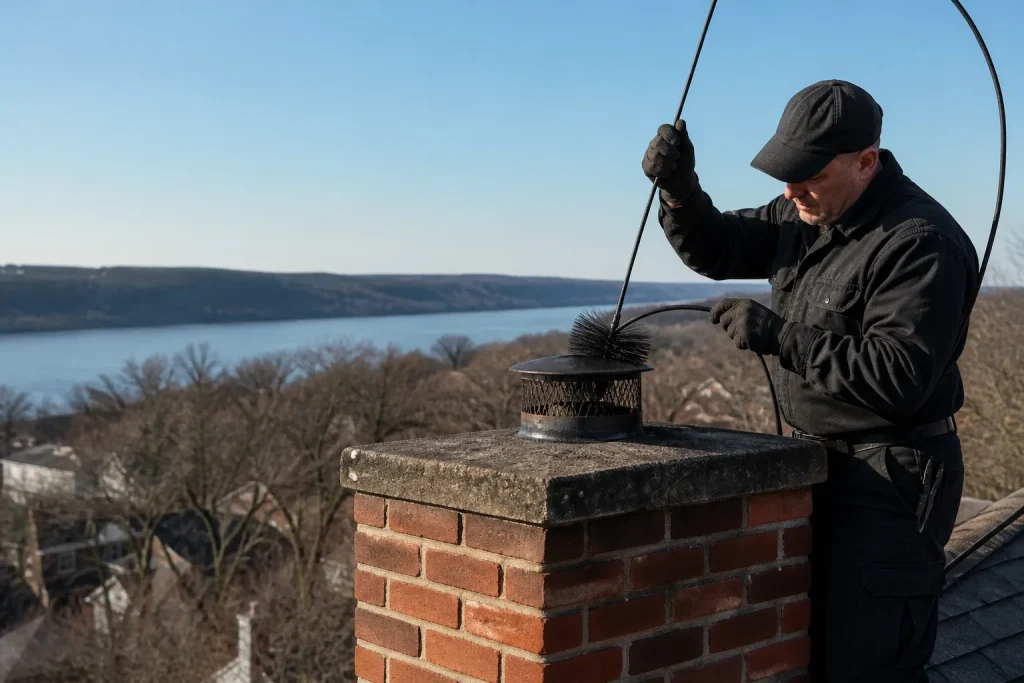
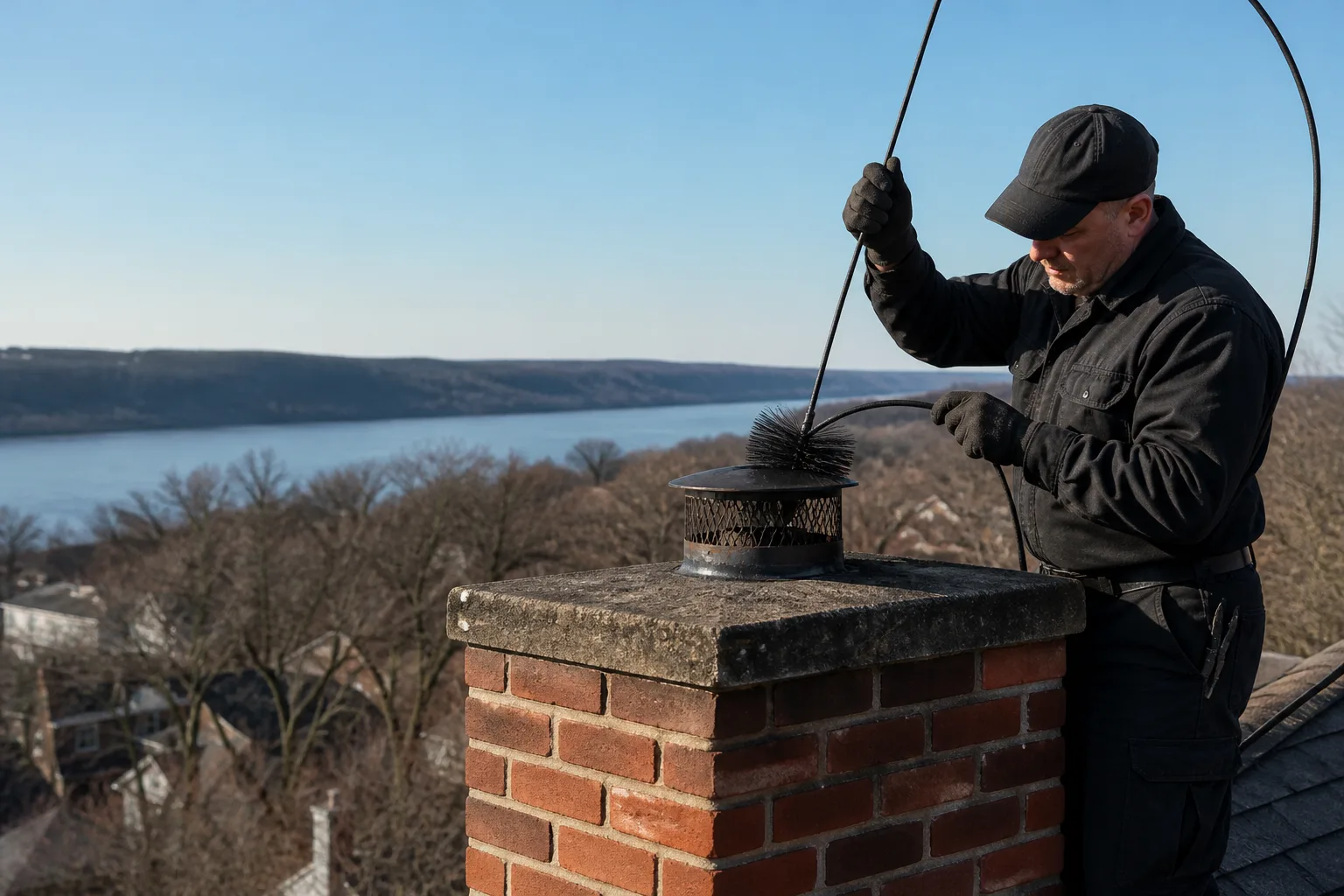
Olympia Chimney Chimney Sweep in Riverdale: A Homeowner’s Guide
Most homeowners approve a chimney repair without ever knowing whether the liner going in is a consumer-grade flex kit from a home improvement aisle or a professional-grade alloy system built for decades of service. That single choice decides how long the fix actually lasts. In Riverdale, where a lot of the housing stock dates to the pre-war and mid-century eras, this question matters more than most people realize. This guide explains what Olympia Chimney Supply actually is, why it shows up in serious chimney work, and how to ask the right questions before you sign off on a repair.
If you’d rather have a trained eye look at your system than sort through product spec sheets, call (888) 848-6804. We answer 24/7. Fast dispatch from 7am to 7pm, Sunday through Friday.
What Is Olympia Chimney Supply, and Why Does It Matter?
Olympia Chimney Supply is a professional-grade wholesale line. It isn’t sold retail to homeowners browsing a shelf; it’s supplied to certified sweeps and chimney contractors who install liner systems, caps, and firebox components as part of their trade. That distinction is the whole point. When a product is designed for the trade rather than the retail shelf, it’s built to pass inspection and last through real flue conditions, not to hit a price point at the checkout counter.
We specify Olympia Chimney on liner and cap work because the material spec holds up under the heat cycling and condensation that masonry chimneys in Riverdale see season after season. A retail flex kit may look similar in a box, but the alloy gauge, the joint construction, and the UL listing tell a different story once it’s inside a flue carrying 1,000-degree flue gas.
Here’s what that means in practice for a Riverdale homeowner:
- Quality assurance lives in the sourcing. A sweep who can name the product line and why they chose it is a sweep who has thought about materials, not just labor hours.
- Warranty and documentation are traceable. Trade-grade products carry manufacturer documentation that a retail kit often doesn’t.
- Fit is more precise. Professional lines come in a wider range of diameters and configurations, which matters when a flue wasn’t built to a standard dimension.
None of this is exotic. It’s the difference between a repair that gets re-done in eight years and one you stop thinking about. From the firebox to the cap, the material is the part you can’t see but will live with the longest.
The Olympia Product Categories That Matter for Riverdale Homes
Olympia Chimney Supply makes several product families relevant to a residential chimney. For most Riverdale homeowners, three categories come up again and again: flexible liner systems, chimney caps, and firebox components. Each solves a different problem, and each has a plain-language test you can apply when a contractor recommends it.
Flexible liner systems
A flexible stainless liner is what goes inside a masonry flue when the original clay tile is cracked, spalling, or undersized for the appliance. Olympia’s flex liner systems are designed to be relined through an existing flue without demolishing the chimney, which matters in a dense neighborhood where a full masonry rebuild is expensive and disruptive. The key question for a homeowner: what alloy and what wall thickness? A trade-grade liner will have a clear answer; a retail kit often won’t.
Chimney caps
A cap does two jobs: it keeps water out of the flue and it keeps wildlife out of the chimney. In Riverdale, both are constant concerns. A squirrel or a raccoon in a flue is a bad week for everyone involved, and rainwater running down an uncapped flue is the single most common source of interior masonry damage we see. Olympia caps are built to match the flue dimension and to be fastened rather than friction-fit, which is the difference between a cap that stays put through a nor’easter and one that ends up in the yard.
Firebox components
The firebox is where the fire actually sits, and it takes the most direct heat. Olympia’s firebox components let us rebuild or line a damaged firebox without replacing the whole masonry assembly. If your firebox has cracked mortar joints or a spalled brick face, that’s a repair worth doing before the next burning season, not after.
If a sweep can’t tell you which product line they’re installing and why, that’s your answer. Material choice is the part of the job that separates a real chimney contractor from someone with a brush and a ladder.
How to Ask Your Sweep Which Product Line They’re Using
The single most useful question a Riverdale homeowner can ask before approving a repair is this: “What product line are you installing, and why did you pick it over the alternatives?” The answer tells you almost everything about how a sweep sources materials and whether they cut corners.
A good answer sounds specific. It names the product, explains why the flue condition calls for that system, and acknowledges the alternatives. A weak answer is vague, defensive, or pivots to price. Here’s a short list of follow-up questions that separate a real specialist from a generalist:
- “Can I see the product spec?” A trade-grade liner or cap has a manufacturer spec sheet. A contractor who works with recognized lines will have one on hand.
- “Why this system and not HeatShield or a different liner?” If the flue is structurally sound but has surface deterioration, HeatShield resurfacing may be the right call. If the flue is cracked or the wrong size, a DuraFlex or Olympia liner is the answer. A sweep who offers only one option is telling you something.
- “What’s the alloy and wall thickness on the liner?” This is the spec that determines service life. A trade-grade answer will be immediate.
- “Will I get documentation for the install?” Manufacturer paperwork, photos, and a written record of what went in. More on this below.
You don’t need to become a liner expert. You need to hear a sweep answer these questions without flinching. That’s the whole test.
Why the Fit Between Olympia-Grade Components and Older Riverdale Housing Matters
Riverdale’s housing stock includes a lot of pre-war and mid-century masonry chimneys, and those chimneys weren’t built to today’s standard flue dimensions. Many were built for coal, then converted to oil, then converted again to wood or gas. The result is a flue that may be oversized, undersized, out of square, or offset – conditions that a one-size retail kit can’t handle cleanly.
Trade-grade lines like Olympia Chimney are built for exactly this reality. They come in a wider range of diameters and configurations, and they’re designed to be installed through irregular flues without cutting corners on the connection points. That’s why the fit matters as much as the material. A liner that’s slightly too small for the flue leaves a gap that lets flue gas and creosote escape behind it; a liner that’s slightly too large won’t seat properly and can stress the joints. The right diameter, correctly installed, is what makes the whole system work.
This is also where a proper inspection pays off before any product gets specified. We inspect first, then recommend. A camera inspection shows exactly what’s in the flue, and that’s what drives the sizing decision. It’s why we offer inspection as a standalone service – if you’re buying or selling a Riverdale property, or you’re simply overdue for a check, you shouldn’t have to book a cleaning you may not need to get an honest assessment of your system.
If you’re not sure where your chimney stands, the first step is a chimney sweep and inspection so we can see the actual condition of the flue before anyone recommends a product.
What a Completed Olympia Liner or Cap Install Should Include
A finished install should leave you with a paper trail, not just a working chimney. That record matters for two reasons: insurance and resale. If a Riverdale homeowner ever files a claim related to a chimney fire or water intrusion, or sells the property, having documentation of what was installed and when is the difference between a smooth process and a headache.
Here’s what a completed install should include:
- Manufacturer documentation for the liner or cap. The product spec sheet, warranty information, and installation instructions that came with the material.
- Before-and-after photos. A camera inspection before the work and photos of the completed install. This is your record of the actual condition of the flue and what went in.
- A written description of the work performed. What was installed, the dimensions, the alloy, and the date. One page is fine – it just needs to be specific.
- The cap or crown details. If a chimney cap & crown was installed, the dimensions and the fastening method should be noted.
Ask for this up front. A contractor who does trade-grade work will have it ready; a contractor who doesn’t will find the request inconvenient. That tells you what you need to know.
When to Call a Pro, and When It Can Wait
Some chimney work is routine; some is genuinely urgent. The trick is knowing which is which, and the honest answer usually comes from a camera inspection rather than a guess. Here’s how we think about it.
Call a pro now if: you smell smoke in the house when the fireplace is running, you see water staining on the ceiling near the chimney, you have a cracked or missing cap, you’ve had a chimney fire (even a small one), or you’ve never had the flue inspected and you burn wood regularly. Any of those is a real signal.
It can usually wait until the next scheduled visit if: the flue was swept recently and the cap is intact, you’re seeing minor cosmetic spalling on the exterior masonry with no interior symptoms, or you’re simply due for a routine check before burning season.
The one thing we won’t do is recommend thousands of dollars of liner or masonry work without camera evidence you can see for yourself. If the flue is fine, we’ll tell you it’s fine. If there’s a repair that can safely wait, we’ll say so. That’s what chimney repair should look like: inspect first, then recommend, then show you why.
If the flue turns out to need a full rebuild rather than a liner, we’ll say that too. The Chimney Sweep Riverdale team works with DuraFlex, HeatShield, Gelco, Olympia Chimney, Famco, and Copperfield, so the right solution gets chosen for the actual condition of the flue rather than whatever happened to be on hand.
The Bottom Line
The product line matters as much as the labor. Olympia Chimney Supply is a professional-grade wholesale line, which means the materials going into a Riverdale chimney are built for the trade rather than the retail shelf. Ask your sweep which product line they’re using, why they chose it, and what documentation you’ll get when the job is done. The answer tells you whether the repair will last.
Our technicians have up to 13 years of experience, and we work with recognized professional-grade lines because the material is the part of the job you can’t see but will live with the longest. If you’re in Riverdale and need help, Chimney Sweep Riverdale offers free estimates – call (888) 848-6804. We answer 24/7. Fast dispatch from 7am to 7pm, Sunday through Friday.
Frequently Asked Questions
No. Olympia Chimney Supply is a professional-grade wholesale line supplied to certified sweeps and chimney contractors, not sold retail to homeowners. That’s why the material spec and the installation quality go together – the product is designed for trade installation rather than a weekend project.
It depends on the condition of the flue. If the clay tile is structurally sound but the surface is deteriorated, HeatShield resurfacing can be the right call. If the flue is cracked, misaligned, or the wrong size for the appliance, a flexible liner system like DuraFlex or Olympia is usually the answer. A camera inspection is what tells you which one applies. Call (888) 848-6804 for an exact quote – estimates are free.
Yes, and you should ask for it. A completed install should include the manufacturer documentation for the liner or cap, before-and-after photos, a written description of the work with dimensions and alloy, and the cap or crown details if one was installed. That record is what you’ll want for insurance and resale. Call (888) 848-6804 to book an inspection and get a written estimate.
Yes. Inspection is available as a standalone service. If you’re buying or selling a Riverdale property, or you’re simply overdue for a check, you don’t have to book a cleaning you may not need. Call (888) 848-6804 for a free estimate and we’ll schedule the inspection.
Written by the team at Chimney Sweep Riverdale.
Need Chimney Cleaning Help?
Call Chimney Sweep Riverdale - the local pro we connect you with is licensed and insured, here with fast help in Riverdale.
(888) 848-6804